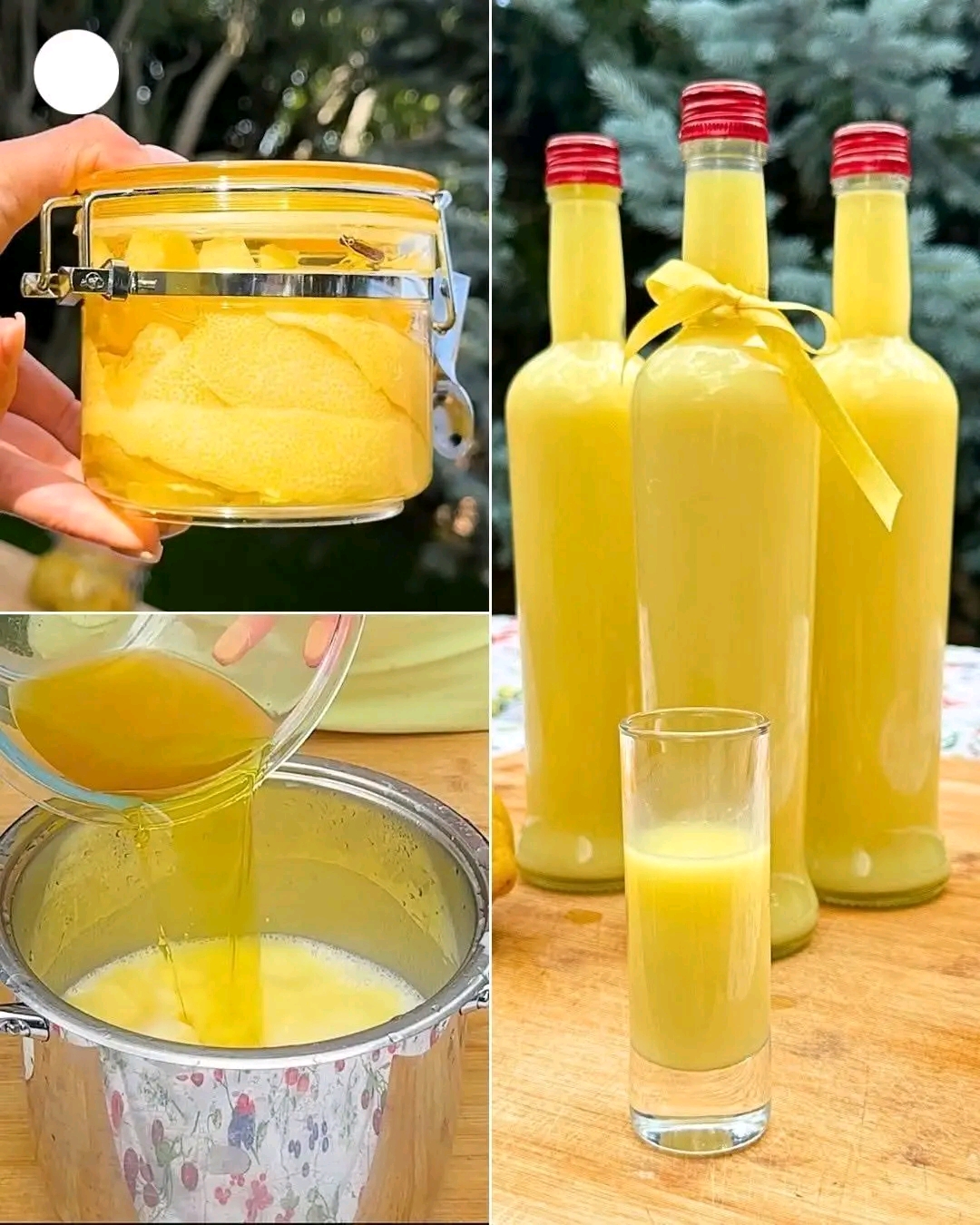
Homemade Limoncello Traditional Italian Lemon Liqueur
### Introduction
Homemade limoncello is a fragrant, golden-yellow lemon liqueur known for its refreshing citrus aroma, smooth character, and vibrant flavor. Made with fresh lemon zest, alcohol, sugar, and water, this traditional Italian drink transforms a few simple ingredients into an elegant homemade specialty.
The secret lies in patience. Allowing the lemon zest to infuse slowly gives the liqueur its beautiful fragrance and distinctive citrus taste. Served well chilled in small glasses, homemade limoncello is a delightful way to finish a special meal or create a thoughtful homemade gift.
### Origin
Limoncello originates from southern Italy, particularly the regions of Campania, the Sorrentine Peninsula, the Amalfi Coast, and the island of Capri. These sunny coastal areas are famous for their aromatic lemons, which provide the essential ingredient for this beloved liqueur.
Although the precise origins of limoncello are debated, the drink became especially popular during the twentieth century. Traditional recipes were passed down through families, with each household developing its own preferred balance of lemon, sweetness, and alcohol.
Today, limoncello is enjoyed around the world as a symbol of Italian hospitality and the bright flavors of the Mediterranean.
### Cultural Significance
In Italian culture, limoncello is often served after dinner as a digestif and a gesture of hospitality. Its bright lemon aroma and sweet, refreshing flavor make it a popular choice for family gatherings, celebrations, and festive meals.
Homemade versions also reflect the tradition of preserving seasonal ingredients and making the most of locally grown citrus fruit. A bottle of homemade limoncello can be a beautiful gift for friends and family, especially when presented in an attractive glass bottle.
### Ingredients Quantity
Preparation time: 20 minutes Infusion time: 2–4 weeks Finishing time: 1–2 days Yield: Approximately 1.5–2 liters, depending on the quantities and alcohol used
### Ingredients
* 8–10 untreated organic lemons
* 1 liter of food-grade neutral alcohol, approximately 90–96% ABV, where legally available, or suitable food-grade vodka
* 750 g granulated sugar
* 1 liter water, adjusted to taste and the desired final strength
Important: Use only food-grade alcohol intended for drinking. Never use rubbing alcohol, denatured alcohol, or other non-beverage alcohols. If using vodka instead of high-proof alcohol, the final strength and flavor will differ, and the recipe may need adjustment.
### Optional Additions
* Fresh lemon juice: Add a small amount for extra citrus sharpness, keeping in mind that it can affect clarity and storage life.
* Orange zest: A little orange zest creates a softer, more complex citrus aroma.
* Vanilla bean: A small piece adds a subtle, rounded fragrance.
* Fresh mint: Use as a garnish when serving for a refreshing finish.
* Less sugar: Reduce the syrup sweetness to suit your preference, while keeping in mind that this changes the flavor balance.
For the most traditional flavor, keep the recipe simple and let the lemons take center stage.
### Tips for Success
* Choose fragrant lemons: Organic or untreated lemons are ideal because the peel is the star ingredient.
* Remove only the yellow zest: The white pith underneath can make the liqueur unpleasantly bitter.
* Use clean equipment: Wash and thoroughly dry the jar, utensils, and bottles before starting.
* Be patient: Allow the zest to infuse in a cool, dark place for 2–4 weeks, following the alcohol product’s suitability for infusion.
* Strain carefully: Use a fine-mesh strainer or clean filter to remove the zest and obtain a smooth liqueur.
* Cool the syrup completely: Mixing the infused alcohol with cooled syrup helps preserve the fresh citrus aroma.
* Adjust gradually: Add the syrup in stages, tasting carefully to achieve your preferred sweetness.
* Store responsibly: Keep the finished liqueur in clean, tightly sealed bottles. Refrigerate or freeze only in suitable containers, and follow appropriate food-safety guidance for the chosen recipe.
### Instructions
### Step 1: Prepare the lemons
Wash the lemons thoroughly and dry them completely. Using a vegetable peeler or zester, remove the thin yellow outer peel, avoiding as much white pith as possible.
### Step 2: Infuse the lemon zest
Place the lemon zest in a clean glass jar and pour in the food-grade beverage alcohol. Seal the jar tightly and store it in a cool, dark place for 2–4 weeks. Gently swirl the jar occasionally to distribute the flavors.
### Step 3: Prepare the sugar syrup
Combine the water and sugar in a saucepan. Warm gently, stirring until the sugar dissolves completely. There is no need for a vigorous boil. Remove from the heat and allow the syrup to cool completely.
### Step 4: Strain the infusion
Strain the lemon-infused alcohol through a fine-mesh strainer or clean filter into a clean container. Discard the used zest.
### Step 5: Combine the ingredients
Slowly mix the cooled sugar syrup into the strained lemon infusion. Stir gently until evenly combined. Taste a small sample and adjust the sweetness if needed.
### Step 6: Bottle the limoncello
Transfer the liqueur into clean, suitable glass bottles and seal them tightly. Allow the flavors to settle for another day or two before serving.
### Step 7: Serve chilled
Chill the limoncello thoroughly and serve a small amount in a chilled glass. Enjoy responsibly as an occasional after-dinner drink.
### Description
Homemade limoncello has an inviting lemon fragrance, a beautiful golden color, and a sweet, zesty flavor. Depending on the alcohol used and the balance of syrup, it can range from bright and intensely citrusy to smooth and gently sweet.
When high-proof alcohol is mixed with water and sugar, the liqueur may turn cloudy or develop a pale, opaque appearance. This is a natural effect caused by lemon oils becoming less soluble in the diluted mixture.
Its vibrant aroma makes limoncello particularly enjoyable after a rich meal, during a celebration, or as a homemade gift for someone who appreciates traditional Italian flavors.
### Nutritional Information
Approximate values per 30 ml serving; actual amounts vary according to the alcohol strength, sugar quantity, and final yield.
| Nutrient | Estimated amount |
| ————- | —————- |
| Calories | 65–100 kcal |
| Carbohydrates | 5–10 g |
| Sugars | 5–10 g |
| Protein | 0 g |
| Fat | 0 g |
These are estimates rather than laboratory-tested values. Alcohol contributes calories, and the sugar syrup contributes most of the carbohydrates. Limoncello is an alcoholic beverage, so it is best enjoyed in small quantities by adults who can legally consume alcohol.
### Conclusion
Homemade limoncello is a wonderful example of how a handful of simple ingredients and a little patience can create something memorable. Fresh lemon zest provides the fragrance, sugar syrup balances the citrus notes, and time allows the flavors to come together.
Whether prepared for a festive dinner, shared with friends, or presented as a homemade gift, this traditional Italian-inspired liqueur brings a little Mediterranean sunshine to the table.
### Recommendation
Serve limoncello well chilled in small glasses after dinner. It pairs particularly well with almond biscuits, lemon cake, fresh berries, and other light desserts.
For a beautiful presentation, add a thin strip of lemon zest to the serving glass or decorate the bottle with a simple ribbon and handwritten label.
If preparing it as a gift, include the preparation date and a clear indication that the bottle contains alcohol. Always keep it away from children and anyone who should avoid alcohol.
### Embracing Healthful Indulgence
Enjoying a traditional treat can be about appreciating aroma, craftsmanship, and portion size rather than consuming large amounts. Homemade limoncello allows you to control the sweetness and create a flavor that suits your preferences.
However, it remains an alcoholic drink, and lemon does not cancel out alcohol’s health risks. Reducing the sugar does not remove those risks either. The healthiest choice is to avoid alcohol, particularly during pregnancy, when driving, or when taking medicines that interact with alcohol.
For a refreshing alcohol-free alternative, combine fresh lemon zest or lemon juice with chilled sparkling water, a little mint, and a small amount of sweetener if desired. It delivers a bright citrus experience without the alcohol.