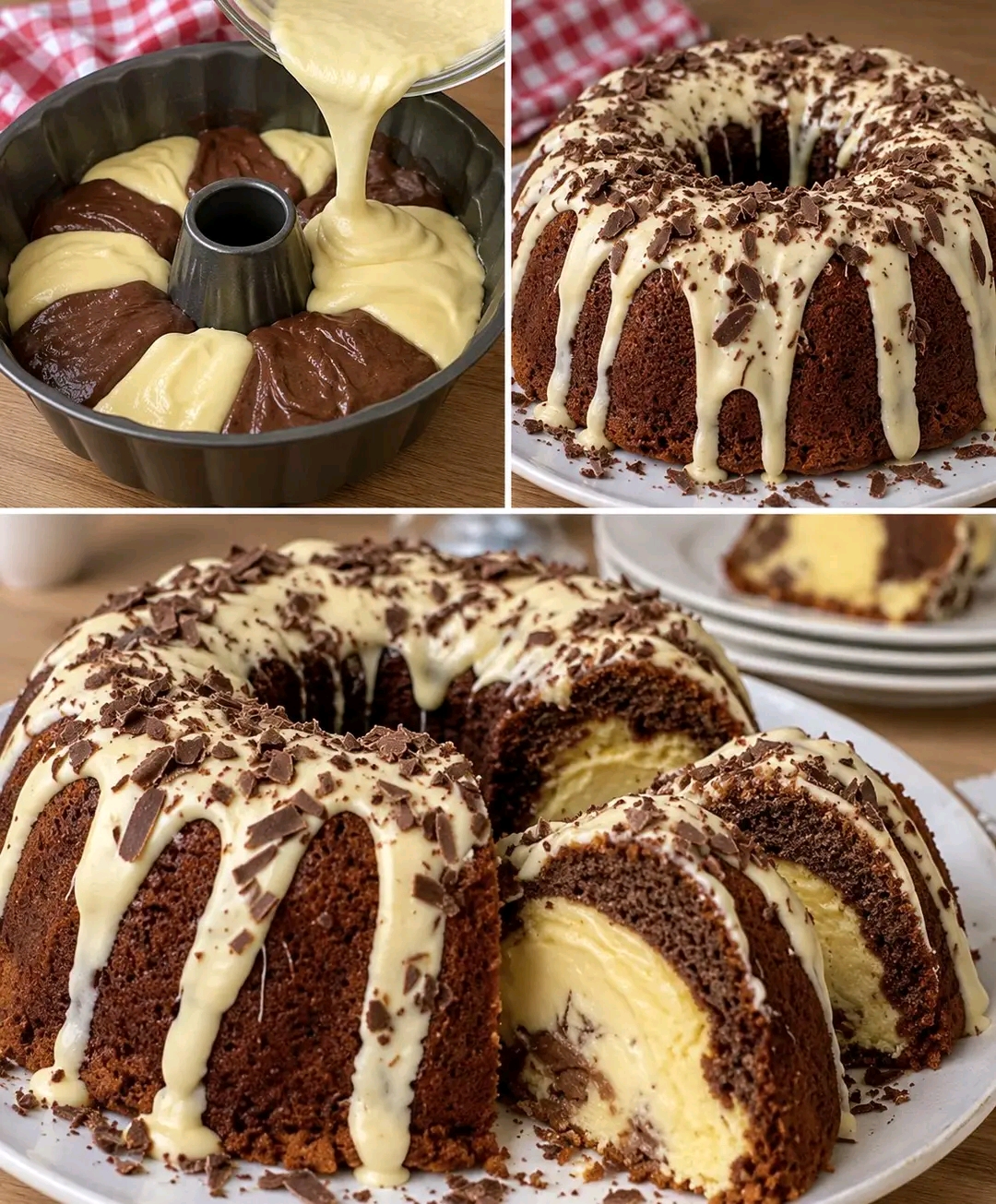
Quark Gugelhupf So Lecker, dass kein Krümel übrig bleibt!
### 1\. Introduction
Quark Gugelhupf is a wonderfully moist, tender German cake made with creamy quark cheese. Its delicate texture, subtle sweetness, and gentle vanilla aroma make it a perfect treat for breakfast, afternoon coffee, or a family gathering. Unlike some traditional Gugelhupf cakes, which can be rich and buttery, the addition of quark gives this version a pleasantly soft crumb and a fresh, slightly tangy flavor.
Baked in a classic ring-shaped Bundt pan, this cake looks beautiful even without elaborate decoration. A light dusting of powdered sugar is all it needs to become a tempting centerpiece for your coffee table.
Whether you are an experienced baker or just starting out, this easy recipe is a wonderful way to bring a little German baking tradition into your kitchen.
Preparation time: 20 minutes Baking time: 45–55 minutes Cooling time: 20–30 minutes Total time: Approximately 1 hour 40 minutes Servings: 10–12 slices
### 2\. Origin
The Gugelhupf is a traditional ring-shaped cake associated with Central European baking, particularly Germany, Austria, and Alsace. Its distinctive shape comes from a fluted, central-tube baking mold that allows heat to circulate through the cake during baking.
Traditional Gugelhupf recipes often use yeast dough enriched with butter, eggs, sugar, and sometimes raisins. Over time, many variations developed, including lighter sponge cakes, marble cakes, and cakes made with baking powder.
Quark, a fresh dairy product popular in German-speaking countries, is frequently used in cakes and pastries because it contributes moisture and a mild tangy flavor. Quark Gugelhupf is a home-baking variation that combines the familiar ring-shaped cake with the soft texture of quark-based baking.
### 3\. Cultural Significance
In Germany and neighboring countries, homemade cakes are an important part of Kaffee und Kuchen, the cherished tradition of enjoying coffee and cake in the afternoon.
Gugelhupf is especially popular for family celebrations, Sunday gatherings, birthdays, and festive occasions. Its decorative shape makes it suitable for serving guests, while its simple ingredients keep it practical for everyday baking.
Quark Gugelhupf brings together two beloved elements of German home cooking: traditional ring-shaped cakes and versatile quark cheese. Many families personalize their recipes with lemon zest, raisins, chocolate chips, or a simple sugar glaze.
### 4\. Ingredients Quantity
For one standard 22–24 cm Gugelhupf or Bundt pan.
### For the cake
* 250 g quark cheese, preferably smooth and well drained
* 250 g all-purpose flour
* 150 g granulated sugar
* 125 g unsalted butter, softened
* 3 large eggs
* 1 packet vanilla sugar (approximately 8 g) or 1 teaspoon vanilla extract
* 2 teaspoons baking powder
* Zest of 1 lemon, optional
* 1 pinch of salt
### For preparing the pan
* 1 teaspoon softened butter
* 1–2 tablespoons flour or fine breadcrumbs
### For decoration
\- 1–2 tablespoons powdered sugar, optional
### 5\. Optional Additions
Make your Quark Gugelhupf special with these delicious variations:
* Raisins: Add 60 g of raisins for a traditional homemade touch.
* Chocolate chips: Stir in 70 g of chocolate chips for extra indulgence.
* Lemon juice: Add 1–2 teaspoons for a brighter citrus flavor.
* Almonds: Mix in 40 g of chopped almonds for a gentle crunch.
* Cinnamon: Add ½ teaspoon for a warm, comforting aroma.
* Fresh berries: Fold in a small handful of blueberries or raspberries, taking care not to add too much moisture.
* Marble effect: Swirl 1–2 tablespoons of cocoa powder mixed with a little milk into part of the batter.
* Vanilla glaze: Drizzle a simple vanilla glaze over the cooled cake for a sweeter finish.
### 6\. Tips for Success
* Use smooth quark. If your quark is particularly watery, drain it briefly to prevent the batter from becoming too wet.
* Bring ingredients to room temperature. Softened butter and room-temperature eggs combine more easily.
* Cream the butter and sugar thoroughly. Beat for several minutes to create a light, fluffy base.
* Add eggs gradually. Mix well after each addition to maintain a smooth batter.
* Avoid overmixing. Once the flour is added, mix only until the ingredients are combined.
* Prepare the pan carefully. Grease every groove and dust lightly with flour to make releasing the cake easier.
* Do not open the oven too early. Wait until at least 35–40 minutes have passed before checking the cake.
* Test the center. Insert a wooden skewer into the cake, avoiding the central tube. It should come out clean or with a few moist crumbs.
* Cool before turning out. Let the cake rest in the pan for about 15–20 minutes before carefully inverting it onto a wire rack.
* Wait before slicing. Allow the cake to cool further so the crumb sets and the slices remain neat.
### 7\. Instructions
### Step 1: Prepare the oven and pan
Preheat the oven to 175°C (350°F), using conventional top-and-bottom heat.
Grease a 22–24 cm Gugelhupf pan thoroughly with softened butter, paying special attention to the central tube and decorative grooves. Dust with flour and tap out the excess.
### Step 2: Cream the butter and sugar
Place the softened butter and sugar in a large mixing bowl.
Beat for approximately 3–4 minutes until the mixture becomes pale and creamy. Add the vanilla sugar or vanilla extract and the optional lemon zest.
### Step 3: Add the eggs
Add the eggs one at a time, beating well after each addition. Scrape down the sides of the bowl as needed to ensure everything is evenly combined.
### Step 4: Incorporate the quark
Add the quark cheese and mix gently until the batter becomes smooth.
The mixture may look slightly thicker than an ordinary cake batter, which is normal for a quark-based cake.
### Step 5: Combine the dry ingredients
In a separate bowl, mix the flour, baking powder, and salt.
Gradually add the dry mixture to the wet ingredients. Stir just until no dry flour remains, avoiding excessive mixing.
### Step 6: Fill the Gugelhupf pan
Spoon the batter evenly into the prepared pan. Smooth the top with a spatula and gently tap the pan on the countertop to release any large air pockets.
### Step 7: Bake the cake
Place the pan on the middle rack of the preheated oven.
Bake for approximately 45–55 minutes. Begin checking after 45 minutes, as ovens and pan materials can affect the baking time.
Insert a wooden skewer into the cake. If it comes out clean or with a few moist crumbs, the cake is ready.
### Step 8: Cool and release
Remove the cake from the oven and allow it to rest in the pan for 15–20 minutes.
Carefully loosen the edges if necessary, then invert the pan onto a wire rack. Lift the pan gently and allow the cake to cool completely.
### Step 9: Decorate and serve
Dust the cooled cake with powdered sugar, if desired.
Slice and serve with coffee, tea, or fresh berries for a simple and delicious homemade treat.
### 8\. Description
Quark Gugelhupf is soft, moist, and pleasantly tender, with a delicate vanilla flavor and a subtle tang from the quark cheese. Its beautiful ring shape gives it a classic appearance, while its simple preparation makes it ideal for everyday baking.
The cake is delicious on its own, but it can also be enhanced with raisins, chocolate chips, lemon zest, or a light glaze. Each slice offers a satisfying balance of sweetness and freshness without requiring complicated techniques or expensive ingredients.
It is the kind of homemade cake that invites everyone to take another slice.
### 9\. Nutritional Information
Estimated values per slice, assuming 12 servings. Actual nutrition depends on the quark’s fat content and the ingredients used.
| Nutrient | Approximate amount |
| ————- | —————— |
| Calories | 230–270 kcal |
| Protein | 6–8 g |
| Carbohydrates | 28–33 g |
| Total fat | 10–13 g |
| Saturated fat | 5–7 g |
| Fiber | 0.5–1.5 g |
| Sugars | 13–17 g |
Quark provides protein and calcium, while eggs contribute additional protein. The cake also contains added sugar, butter, and refined flour, so these nutritional estimates should be considered a general guide rather than exact values.
### 10\. Conclusion
Quark Gugelhupf is a delicious example of how simple ingredients can create a beautiful and comforting homemade cake. Its moist crumb, delicate vanilla aroma, and gentle tang make it a wonderful addition to any coffee table.
Whether served for a Sunday afternoon gathering, a birthday celebration, or a quiet moment at home, this traditional-inspired cake is easy to prepare and endlessly adaptable.
With its attractive shape and tender texture, it is easy to understand why this cake is often enjoyed down to the very last crumb!
### 11\. Recommendation
Serve Quark Gugelhupf with freshly brewed coffee or tea for a traditional afternoon treat. For a fresher presentation, pair it with sliced strawberries, raspberries, or blueberries.
If you prefer a richer dessert, add a small spoonful of whipped cream or drizzle the cooled cake with a light vanilla glaze.
Store the cake in an airtight container in the refrigerator for up to 3–4 days because it contains fresh dairy. Let individual slices sit briefly at room temperature before serving for a softer texture.
You can also freeze individual slices in airtight wrapping for up to 2 months. Thaw them in the refrigerator or at room temperature before enjoying.
### 12\. Embracing Healthful Indulgence
Homemade cake can be enjoyed as part of a balanced eating pattern. Quark adds protein and calcium, making this cake different from some traditional butter cakes, although it remains a dessert containing sugar, flour, and fat.
Here are a few ways to adapt the recipe:
* Reduce the sugar: Try using 100–120 g instead of 150 g, adjusting to your taste.
* Choose lower-fat quark: This can reduce the fat content, although the final texture may be slightly different.
* Add fruit: Serve with fresh berries to bring extra freshness and fiber to the plate.
* Use some whole-grain flour: Replace up to one-third of the all-purpose flour, recognizing that the cake may become denser.
* Make smaller portions: Cut the cake into 14–16 slices instead of 12 to reduce the size of each serving.
* Adapt for dairy sensitivity: Quark is a dairy product, so this recipe is not suitable for everyone who experiences discomfort from dairy. A dairy-free alternative would require recipe adjustments and may change the texture.
For those avoiding added sugar or refined flour, the original recipe would need more substantial changes. Simply replacing sugar with a sweetener or flour with almond flour will affect the cake’s structure, so it is best to use a specifically developed alternative recipe.
The aim is to enjoy the pleasure of homemade baking while choosing ingredients and portions that suit your individual preferences and needs.