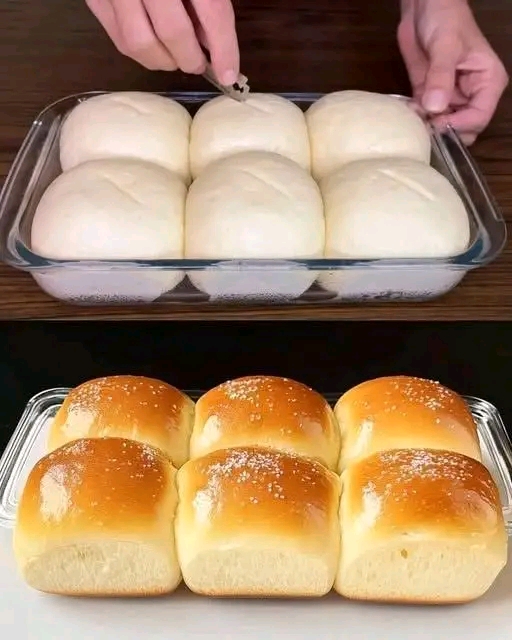
### Diabetic-Friendly Sugar-Free Soft Vanilla Milk Bread – Simple, Fluffy, and Delicious
### 1\. Introduction
Sugar-Free Soft Vanilla Milk Bread is a soft, tender, and lightly fragrant homemade bread designed for those who want a gentle vanilla flavor without adding sugar. With its fluffy texture and delicate aroma, this bread can be enjoyed at breakfast, as an afternoon snack, or as a simple accompaniment to tea or coffee.
Although the original idea suggests that bread can be made with just three ingredients, the exact recipe depends on which ingredients are used. This version uses a few basic ingredients to create a soft, milk-enriched bread with vanilla flavor and no added sugar.
For people managing diabetes, it is important to remember that sugar-free does not mean carbohydrate-free. Flour and milk contain carbohydrates that can affect blood glucose levels, so portion size and individual dietary needs remain important.
Preparation time: 15 minutes Rising time: 60–90 minutes Baking time: 25–30 minutes Total time: Approximately 1 hour 45 minutes to 2 hours 15 minutes Servings: 10 slices
### 2\. Origin
Milk bread has a long history in several baking traditions around the world. Japanese milk bread, often called shokupan, is especially famous for its pillowy texture and delicate crumb. Other countries have their own versions of enriched bread made with milk, butter, eggs, or other ingredients.
Vanilla-flavored milk bread is a variation that brings the gentle aroma of vanilla into a familiar homemade loaf. Modern sugar-free adaptations have become popular among people who prefer to reduce added sugar or customize recipes to suit their dietary needs.
This recipe takes inspiration from soft milk breads while using a simple yeast dough and omitting added sugar.
### 3\. Cultural Significance
Freshly baked bread is a staple in many cultures, bringing families together at breakfast tables and during shared meals. Soft milk bread is especially appreciated for its tender texture, mild flavor, and versatility.
A vanilla variation offers a subtle sweetness in aroma without requiring a sugary glaze or frosting. It can be served plain, toasted, or paired with savory or lightly flavored toppings.
For people managing diabetes, homemade bread also offers an opportunity to measure ingredients, control added sugar, and choose portions that fit their personal meal plan. However, homemade bread still needs to be considered within the overall carbohydrate content of a meal.
### 4\. Ingredients Quantity
Makes one small loaf, approximately 10 slices.
### For the sugar-free vanilla milk bread
* 300 g bread flour
* 180 ml lukewarm milk
* 1 large egg
* 30 g unsalted butter, softened
* 7 g instant yeast
* 1 teaspoon vanilla extract
* ½ teaspoon salt
* 1–2 teaspoons powdered erythritol, optional
* 1–2 tablespoons extra milk, if needed
Important: This is a practical homemade recipe, not a three-ingredient recipe. It contains no added sugar when the optional erythritol is omitted, but the flour and milk naturally contain carbohydrates.
### 5\. Optional Additions
You can adapt the bread to your taste with these additions:
* Cinnamon: Add ½ teaspoon for a warm, comforting aroma.
* Ground cardamom: Use a small pinch for a delicate, fragrant flavor.
* Almond extract: Add a few drops alongside the vanilla for a bakery-style aroma.
* Whole-wheat flour: Replace up to one-third of the bread flour for more fiber, recognizing that the texture may become denser.
* Seeds: Sprinkle sesame or chia seeds on top for additional texture.
* Powdered erythritol: Add a small amount if you prefer a sweeter flavor without conventional sugar.
* Unsweetened plant milk: Use an unsweetened alternative if you prefer to avoid dairy, adjusting the dough consistency as needed.
Avoid adding honey, ordinary sugar, sweetened condensed milk, or sugary glazes if your goal is to make the recipe without added sugar.
### 6\. Tips for Success
* Check the milk temperature. Lukewarm milk should feel comfortably warm, not hot. Excessive heat can damage the yeast.
* Measure the flour accurately. Too much flour can make the bread dense and dry.
* Knead until smooth. Kneading develops the gluten that gives milk bread its characteristic soft, elastic texture.
* Allow sufficient rising time. Dough without added sugar can still rise successfully because yeast can use fermentable carbohydrates available in the dough.
* Use vanilla extract carefully. A teaspoon usually provides a pleasant aroma without overpowering the bread.
* Avoid adding too much flour while kneading. The dough should feel soft and slightly tacky rather than stiff.
* Check the oven temperature. A moderate oven helps the loaf bake evenly without becoming too dark on the outside.
* Cool before slicing. Allowing the loaf to cool helps the crumb set and prevents a gummy texture.
* Consider carbohydrate portions. If you monitor blood glucose, calculate the carbohydrates per slice from your actual ingredients and serving size.
### 7\. Instructions
### Step 1: Prepare the yeast mixture
Place the lukewarm milk in a large mixing bowl. Add the instant yeast and stir briefly.
If your yeast packaging recommends a different activation method, follow its instructions.
### Step 2: Add the remaining ingredients
Add the egg, vanilla extract, flour, and salt. If desired, add a small amount of powdered erythritol.
Mix until a rough dough forms.
### Step 3: Add the butter
Add the softened butter and knead for approximately 8–12 minutes by hand, or 5–8 minutes using a stand mixer with a dough hook.
If the dough feels unusually dry, add a little extra milk, one teaspoon at a time. Continue kneading until the dough becomes smooth and elastic.
### Step 4: First rise
Place the dough in a lightly greased bowl and cover it with a clean kitchen towel or reusable cover.
Leave it in a warm, draft-free place for approximately 60–90 minutes, or until it has visibly expanded and is close to doubled in size.
### Step 5: Shape the loaf
Gently press the dough to release excess gas. Shape it into a loaf and place it in a greased loaf pan.
Cover loosely and let it rise again for approximately 25–40 minutes, until puffy.
### Step 6: Preheat the oven
Preheat the oven to 180°C (350°F).
If you want a lightly golden crust, brush the surface with a little milk before baking. This is optional.
### Step 7: Bake
Bake for approximately 25–30 minutes, until the loaf is lightly golden and cooked through.
If the top browns too quickly, loosely cover it with foil during the final part of baking. The center should be fully baked before removing the loaf from the oven.
### Step 8: Cool and serve
Remove the loaf from the pan and place it on a wire rack. Let it cool for at least 30 minutes before slicing.
Serve plain, lightly toasted, or with a suitable topping of your choice.
### 8\. Description
This sugar-free vanilla milk bread has a soft, delicate crumb and a mild vanilla aroma. Its tender texture makes it suitable for breakfast, snacks, or a light accompaniment to a meal.
Without added sugar, the bread will generally be less sweet and may brown differently from conventional enriched milk bread. The milk and egg provide richness, while the butter helps keep the crumb soft.
Enjoy it fresh, or toast individual slices for a slightly crisp exterior and a warm, fragrant center.
### 9\. Nutritional Information
Estimated values per slice, assuming 10 slices. Actual nutrition varies by ingredient brand and loaf size.
| Nutrient | Approximate amount |
| ————- | —————— |
| Calories | 160–180 kcal |
| Protein | 5–6 g |
| Carbohydrates | 24–27 g |
| Total fat | 4–5 g |
| Saturated fat | 2–3 g |
| Fiber | 1 g |
| Added sugar | 0 g |
Diabetes note: These estimates are not a guarantee that the bread will be suitable for every person with diabetes. Flour provides most of the carbohydrates, and milk contains naturally occurring lactose. Even with no added sugar, a slice can raise blood glucose.
For a more accurate estimate, calculate the total carbohydrates using the nutrition labels of your actual ingredients and divide by the number of slices you cut.
### 10\. Conclusion
Sugar-Free Soft Vanilla Milk Bread is a comforting homemade loaf with a tender texture and a gentle vanilla aroma. It offers a way to enjoy freshly baked bread without adding conventional sugar, using familiar ingredients and straightforward techniques.
Whether served at breakfast, toasted for a snack, or paired with a meal, this bread is versatile and easy to customize. Its main appeal is its soft crumb and mild flavor rather than sweetness.
For people managing diabetes, the key is to consider the bread’s total carbohydrate content, choose an appropriate portion, and follow individual dietary guidance.
### 11\. Recommendation
For breakfast, serve one measured slice with eggs or another protein-rich food to create a more balanced meal. You can also toast a slice and pair it with a suitable savory topping.
For storage, keep the cooled loaf in an airtight container at room temperature for up to 2 days, or refrigerate it for a little longer if needed. Refrigeration may make bread firm more quickly, so lightly toasting slices can improve the texture.
For longer storage, slice the loaf and freeze individual portions in a freezer-safe bag. Thaw or toast each slice as needed.
If you need a lower-carbohydrate bread, simply removing the sugar is not enough. A different recipe using suitable lower-carbohydrate ingredients would be necessary.
### 12\. Embracing Healthful Indulgence
Enjoying bread while managing diabetes is often a matter of choosing suitable portions and understanding how ingredients affect your overall carbohydrate intake.
Here are some practical ways to adapt this recipe:
* Keep added sugar out: Vanilla extract can provide aroma without needing conventional sugar.
* Measure your portions: Cutting the loaf into equal slices makes carbohydrate estimates more reliable.
* Pair bread thoughtfully: Combine a slice with protein, healthy fats, and other foods that fit your meal plan.
* Explore higher-fiber alternatives: Replacing some flour with whole-grain flour may increase fiber, although it will not automatically make the bread low-carbohydrate.
* Check your personal response: If you monitor blood glucose, follow your usual monitoring plan to understand how this bread affects you.
* Be cautious with sugar substitutes: Erythritol is optional and does not remove the carbohydrates from flour or milk.
The most important distinction is that sugar-free and diabetes-friendly are not the same as carbohydrate-free. This recipe contains no added sugar, but its flour and milk still contribute carbohydrates. For a truly three-ingredient version or a lower-carbohydrate alternative, the ingredients and texture would need to be different.