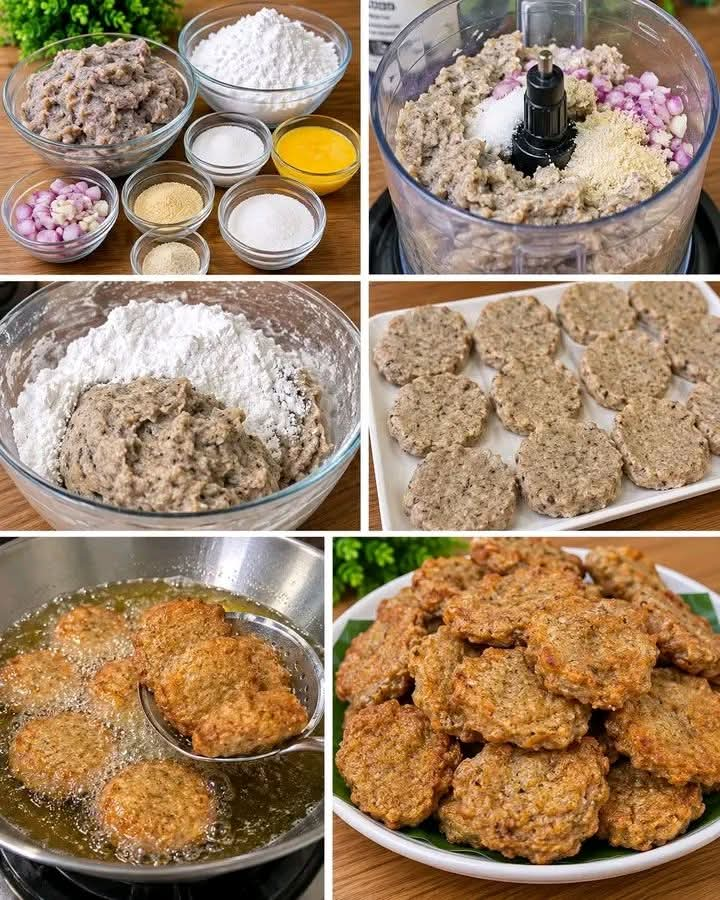
Pempek Kulit Ikan Tenggiri Crispy Indonesian Mackerel Skin Fish Cakes
### 1\. Introduction
Pempek Kulit Ikan Tenggiri is a delicious Indonesian specialty made from cleaned mackerel skin, tapioca flour, eggs, and aromatic spices. These savory fish cakes are fried until golden brown, creating a wonderfully crispy exterior and a flavorful, tender interior.
Unlike traditional pempek made primarily with fish flesh, this variation uses fish skin to create a distinctive texture and a rich seafood flavor. Shallots, garlic, pepper, and seasonings enhance the taste, while tapioca flour helps bind the ingredients together.
Served warm with traditional sweet, sour, and spicy cuko sauce, Pempek Kulit is a satisfying snack, appetizer, or side dish for a family meal.
### 2\. Origin
Pempek originated in Palembang, the capital of South Sumatra, Indonesia. The dish is closely associated with the region’s rivers, fishing traditions, and abundant seafood.
Traditional pempek is commonly prepared with fish flesh, especially mackerel varieties, combined with tapioca starch. Over time, many variations developed, including pempek kapal selam, pempek lenjer, and pempek kulit.
Pempek Kulit, which translates to skin pempek, makes use of cleaned fish skin to produce a distinctive, savory variation. It reflects the resourcefulness of Indonesian cooking, where different parts of an ingredient are transformed into flavorful dishes.
### 3\. Cultural Significance
Pempek is one of Palembang’s most recognizable culinary specialties and is enjoyed throughout Indonesia. It is sold by street vendors, served in restaurants, prepared at home, and shared during family gatherings.
One of its defining features is cuko, a dark, tangy sauce typically made with palm sugar, vinegar or tamarind, garlic, chilies, and water. The sauce balances the savory fish cakes with sweetness, acidity, and heat.
Pempek Kulit offers a different experience from fish-flesh varieties because the skin contributes its own texture and flavor. It also reflects the importance of seafood and practical ingredient use in Indonesian food traditions.
### 4\. Ingredients Quantity
Preparation time: 25 minutes
Cooking time: 20–30 minutes, depending on batch size
Total time: Approximately 45–55 minutes
Servings: 4–6
### Ingredients for Pempek Kulit
* 500 g mackerel skin, thoroughly cleaned and finely minced
* 250 g tapioca flour
* 1 large egg
* 6 shallots, finely ground
* 4 garlic cloves, finely ground
* 1 teaspoon salt
* 1 teaspoon granulated sugar
* ½ teaspoon ground black pepper
* 1 teaspoon powdered seasoning or stock powder
* Up to 50 ml ice-cold water, as needed
* Vegetable oil, for deep-frying
### For Serving
* Traditional cuko pempek sauce
* Fresh cucumber, diced or sliced, optional
* Sambal or chili sauce, optional
### 5\. Optional Additions
You can customize this recipe while preserving its traditional savory character.
* Fresh chilies: Add finely ground red chilies for a spicier fish cake.
* Ground coriander: Add a small pinch for extra aromatic depth.
* Chopped spring onions: Mix in a little for a fresh, savory flavor.
* White pepper: Substitute it for black pepper for a slightly different seasoning profile.
* Homemade fish stock: Replace some of the ice water with well-chilled fish stock for a deeper seafood taste.
* Gluten-free seasoning: Choose a suitable stock powder if you need to avoid gluten.
* Homemade cuko: Prepare a traditional sweet-and-sour sauce to complement the fried pempek.
Tapioca flour is naturally gluten-free, although the other ingredients and any packaged seasonings should be checked if gluten avoidance is important.
### 6\. Tips for Success
* Clean the fish skin thoroughly. Remove scales, residual flesh, and any unwanted debris. Use fresh, properly refrigerated fish skin.
* Keep the mixture cold. Ice-cold water helps keep the fish mixture cool while you work.
* Minimize excess water. Add the water gradually. The mixture should be moist but firm enough to shape.
* Add tapioca gradually. Mix gently until the ingredients come together. Excessive kneading can make the texture tougher than desired.
* Oil your hands lightly. This makes shaping the sticky mixture much easier.
* Make evenly sized cakes. Similar thickness helps the pempek cook at a consistent rate.
* Maintain moderate heat. Fry over medium to medium-low heat so the center cooks before the exterior becomes too dark.
* Avoid overcrowding the pan. Fry in batches to maintain a steady oil temperature.
* Drain properly. Place the cooked pempek on a wire rack or paper towels to remove excess oil.
* Check the center. Because this recipe contains minced fish skin and egg, ensure the cakes are thoroughly cooked before serving.
### 7\. Instructions
### Step 1: Prepare the fish skin
Clean the mackerel skin carefully, removing scales and any unwanted residue. Drain well, then finely mince or grind the skin until it forms a cohesive mixture.
Keep the fish cold throughout preparation.
### Step 2: Blend the seasonings
Place the minced fish skin in a large mixing bowl or food processor. Add the egg, ground shallots, garlic, salt, sugar, black pepper, and powdered seasoning.
Mix or process until the ingredients are evenly combined.
### Step 3: Add the ice water
Pour in the ice-cold water gradually, mixing after each addition. You may not need the entire 50 ml, depending on the moisture content of the fish skin.
The mixture should be cohesive without becoming watery.
### Step 4: Incorporate the tapioca flour
Add the tapioca flour in several portions. Mix gently until the flour is evenly distributed and the mixture can be shaped.
Avoid kneading for too long. If the mixture is too soft to handle, add a little more tapioca flour at a time.
### Step 5: Shape the pempek
Lightly coat your hands with vegetable oil. Take a portion of the mixture and shape it into a small, round, flattened cake.
Repeat until all the mixture has been used. Keeping the cakes relatively uniform in thickness helps them cook evenly.
### Step 6: Heat the oil
Pour enough vegetable oil into a deep frying pan or saucepan to allow the cakes to fry properly. Heat over medium to medium-low heat.
The oil should be hot enough for steady frying without causing the outside to brown too quickly.
### Step 7: Fry until golden
Carefully place a few cakes into the hot oil, leaving enough space between them. Fry, turning as needed, until they are golden brown and cooked through.
The exact frying time will depend on their thickness. Check the center of the thickest cake before removing the batch.
### Step 8: Drain and rest
Transfer the cooked pempek to a wire rack or paper towels. Allow excess oil to drain for a minute or two.
### Step 9: Serve warm
Arrange the Pempek Kulit on a serving plate. Serve with cuko pempek sauce, cucumber, or sambal according to your preference.
Enjoy them while warm for the best contrast between their crispy exterior and savory interior.
### 8\. Description
Pempek Kulit Ikan Tenggiri is a flavorful Indonesian fish cake with a distinctive seafood taste and a crisp, golden-brown crust. The combination of minced mackerel skin, tapioca flour, egg, shallots, and garlic creates a savory snack with an appealing texture.
Its flavor is especially delicious when paired with cuko, whose sweet, sour, garlicky, and spicy notes balance the richness of the fried cakes.
Whether served as an afternoon snack, an appetizer, or part of a larger Indonesian meal, Pempek Kulit brings a taste of Palembang’s culinary heritage to the table.
### 9\. Nutritional Information
The following values are rough estimates per serving, assuming six servings and accounting for some oil absorbed during frying. Actual nutrition will vary with the fish skin, portion size, and frying method.
| Nutrient | Approximate amount per serving |
| ————- | —————————— |
| Calories | 250–350 kcal |
| Protein | 15–22 g |
| Fat | 12–22 g |
| Carbohydrates | 18–28 g |
| Fiber | Less than 1 g |
| Sugar | 1–3 g, excluding sauce |
Fish skin can contribute protein and collagen, while tapioca flour provides most of the carbohydrates. Deep-frying increases the fat and calorie content, and cuko sauce may add significant sugar depending on the recipe.
These estimates exclude dipping sauce and should be treated as a general guide rather than a laboratory-verified nutritional analysis.
### 10\. Conclusion
Pempek Kulit Ikan Tenggiri is a delicious way to enjoy a distinctive Indonesian seafood specialty. Its savory flavor, crispy exterior, and satisfying texture make it a wonderful snack for sharing with family and friends.
With simple ingredients and straightforward preparation, this recipe brings the flavors of Palembang into your kitchen. The most important steps are cleaning the fish skin thoroughly, keeping the mixture cool, adding the tapioca gradually, and frying at a moderate temperature.
Serve it fresh with cuko sauce for a delicious balance of savory, sweet, sour, and spicy flavors.
### 11\. Recommendation
For the most traditional serving experience, pair Pempek Kulit with homemade cuko pempek and sliced cucumber. The fresh cucumber provides a refreshing contrast to the rich, crispy fish cakes.
For a complete meal, serve the pempek alongside vegetable soup or a fresh salad. If preparing them for a gathering, shape the cakes in advance and fry them shortly before serving.
You can refrigerate leftovers promptly in an airtight container for up to 3–4 days. Reheat in an oven or air fryer until thoroughly hot to help restore the crispy exterior. Avoid leaving cooked fish cakes at room temperature for extended periods.
For a less oily alternative, you can experiment with air-frying, although the texture may differ from the traditional deep-fried version.
### 12\. Embracing Healthful Indulgence
Traditional favorites can be enjoyed as part of a balanced diet. Pempek Kulit provides protein, and its bold flavor means a modest portion can be satisfying when served with fresh vegetables and a flavorful dipping sauce.
To make the dish lighter, consider using an air fryer or brushing the cakes with a small amount of oil before baking. These methods may reduce the amount of oil used, though the finished texture will be different.
You can also serve smaller portions with cucumber and other fresh vegetables, and moderate the amount of sweet cuko sauce if you are watching your added-sugar intake.
For those avoiding white flour, this recipe already uses tapioca flour rather than wheat flour. Tapioca is still a starch-rich ingredient, however, so it is not a low-carbohydrate substitute.
The key is to preserve the flavors and cultural traditions you enjoy while choosing preparation methods and portions that suit your needs. With its distinctive seafood flavor and satisfying crunch, Pempek Kulit Ikan Tenggiri can be a delicious part of a varied, balanced eating pattern.