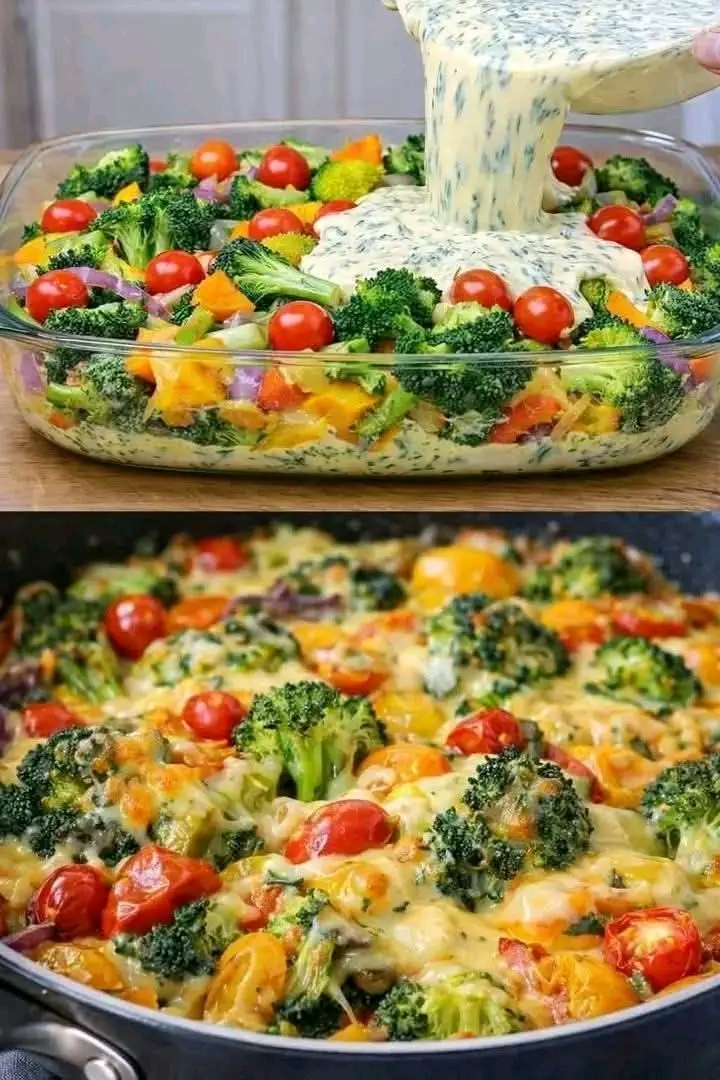
### Low-Calorie Vegetable Casserole A Healthy, Delicious, and Satisfying Recipe
### 1\. Introduction
If you love eating vegetables and want a simple, comforting meal that fits into a balanced eating plan, this low-calorie vegetable casserole is a wonderful choice. Packed with colorful vegetables, aromatic herbs, and a delicious baked finish, it offers plenty of flavor without relying on heavy sauces or excessive oil.
This easy casserole is perfect for lunch or dinner, meal preparation, or a lighter family meal. It is flexible, budget-friendly, and a great way to use vegetables you already have in your kitchen.
Although no single recipe guarantees rapid weight loss, meals rich in vegetables can help you feel satisfied while managing your overall calorie intake.
### 2\. Origin
Vegetable casseroles have roots in many culinary traditions. Around the world, home cooks have combined seasonal vegetables, herbs, and simple seasonings in one dish to create nourishing, economical meals.
Modern vegetable casseroles often draw inspiration from Mediterranean cooking, where ingredients such as tomatoes, zucchini, peppers, onions, and herbs are celebrated for their natural flavors. This lighter version uses fresh vegetables and a modest amount of olive oil to create a wholesome dish without a heavy cream-based sauce.
### 3\. Cultural Significance
Vegetable casseroles represent the resourcefulness of home cooking. They allow families to transform inexpensive, seasonal ingredients into a filling meal that can be shared around the table.
They are also useful for reducing food waste because leftover vegetables can easily be incorporated into the dish. Whether served as a vegetarian main course or a side dish, this casserole brings simplicity, nourishment, and comfort to everyday meals.
### 4\. Ingredients Quantity
Preparation time: 15 minutes · Cooking time: 35–45 minutes · Total time: Approximately 1 hour · Servings: 4
### Ingredients
* 2 medium zucchini, sliced
* 1 medium eggplant, diced
* 1 red bell pepper, chopped
* 1 green bell pepper, chopped
* 2 medium tomatoes, chopped
* 1 medium onion, finely diced
* 2 cups (300 g) broccoli florets
* 1 medium carrot, thinly sliced
* 2 garlic cloves, minced
* 1 tablespoon olive oil
* ½ cup (120 ml) vegetable broth
* 1 teaspoon paprika
* 1 teaspoon dried oregano
* ½ teaspoon ground black pepper
* Salt, to taste
* 2 tablespoons chopped fresh parsley
### Optional light topping
* 30 g grated Parmesan cheese
* 2 tablespoons whole-wheat breadcrumbs
For a dairy-free version, simply omit the cheese.
### 5\. Optional Additions
Customize this casserole to suit your taste and nutritional goals.
* Spinach: Add two handfuls for extra greens.
* Mushrooms: Include 150 g sliced mushrooms for a savory flavor.
* Cauliflower: Replace some of the broccoli with cauliflower.
* Chickpeas: Add 1 cup of cooked chickpeas for extra fiber and plant-based protein.
* Lean protein: Include cooked chicken breast or turkey for a more protein-rich meal.
* Fresh herbs: Try basil, thyme, cilantro, or rosemary.
* A little heat: Add chili flakes or a pinch of cayenne pepper.
* Lemon juice: Squeeze fresh lemon over the casserole before serving for brightness.
### 6\. Tips for Success
* Cut vegetables evenly. Similar-sized pieces cook more consistently.
* Avoid excess oil. Measure the oil rather than pouring freely to keep the calorie content manageable.
* Control moisture. Vegetables release water during baking. If using frozen vegetables, thaw and drain them first.
* Use flavorful seasonings. Garlic, herbs, paprika, and black pepper add flavor without requiring rich sauces.
* Do not overbake. Check the vegetables after 30–35 minutes so they remain tender rather than mushy.
* Choose seasonal vegetables. They are often less expensive and can provide excellent flavor.
* Make it a complete meal. Add beans, lentils, tofu, eggs, or lean protein to help keep you satisfied.
* Prepare extra portions. The casserole reheats well, making it convenient for busy days.
### 7\. Instructions
### Step 1: Preheat the oven
Preheat your oven to 200°C (400°F). Lightly grease a medium baking dish with a small amount of the measured olive oil.
### Step 2: Prepare the vegetables
Wash all the vegetables thoroughly. Slice the zucchini and carrot, dice the eggplant and onion, chop the peppers and tomatoes, and separate the broccoli into small florets.
### Step 3: Season everything
Place the vegetables in a large bowl. Add the minced garlic, olive oil, paprika, oregano, black pepper, salt, and vegetable broth. Toss well until the vegetables are evenly coated.
### Step 4: Arrange the casserole
Transfer the seasoned vegetables to the prepared baking dish. Spread them in an even layer so they cook uniformly.
### Step 5: Bake until tender
Bake uncovered for 35–45 minutes, stirring gently halfway through. The casserole is ready when the vegetables are tender and lightly caramelized around the edges.
If the vegetables brown too quickly, cover the dish loosely with foil for the remaining cooking time.
### Step 6: Add the optional topping
If desired, sprinkle a little Parmesan cheese or whole-wheat breadcrumbs over the casserole during the final 5–10 minutes of baking.
### Step 7: Garnish and serve
Remove the casserole from the oven and allow it to rest for 5 minutes. Sprinkle with fresh parsley and serve warm.
### 8\. Description
This low-calorie vegetable casserole combines tender zucchini, sweet peppers, juicy tomatoes, earthy eggplant, broccoli, and carrots in a fragrant blend of garlic and herbs.
The oven brings out the vegetables’ natural sweetness, while a small amount of olive oil helps them develop a delicious roasted flavor. Every serving is colorful, comforting, and full of texture.
It is a practical way to enjoy more vegetables without making a complicated meal.
### 9\. Nutritional Information
Estimated nutrition per serving, based on four servings and excluding optional cheese and breadcrumbs:
* Calories: 150–190 kcal
* Protein: 5–7 g
* Carbohydrates: 25–32 g
* Fat: 5–7 g
* Fiber: 8–11 g
* Sugar: 10–13 g, primarily naturally occurring in the vegetables
* Sodium: 200–450 mg, depending on added salt and broth
These figures are estimates and will vary with vegetable sizes, ingredient brands, and serving portions.
Adding chickpeas, cheese, or meat will increase the calories and protein. For a more substantial main meal, pair the casserole with a protein source and adjust the portion to your needs.
### 10\. Conclusion
This low-calorie vegetable casserole is an easy, flavorful way to bring more vegetables to your table. It uses affordable ingredients, requires little preparation, and can be adapted to different tastes and dietary preferences.
Enjoy it freshly baked, prepare it ahead for weekday lunches, or serve it as a colorful side dish. With its combination of fiber-rich vegetables and aromatic seasonings, it can be a useful part of a balanced approach to eating well.
Remember that eating this casserole alone day and night is not necessary for weight loss. A varied diet that supplies enough protein, healthy fats, and other essential nutrients is more sustainable and nourishing.
### 11\. Recommendation
For a balanced meal, serve one portion of casserole with grilled chicken, baked fish, tofu, or lentils. If you prefer a vegetarian option, chickpeas or beans make excellent additions.
For meal prep, divide the cooled casserole into individual airtight containers and refrigerate for up to 3–4 days. Reheat until steaming hot before eating.
You can also freeze portions for approximately 2–3 months, although the texture of zucchini and eggplant may become softer after thawing.
### 12\. Embracing Healthful Indulgence
Eating healthfully does not mean sacrificing flavor or enjoying only small, unsatisfying meals. This vegetable casserole demonstrates how simple ingredients, careful seasoning, and oven roasting can create a comforting dish that fits into a weight-management plan.
The fiber in vegetables helps support digestion and can contribute to fullness. However, vegetables alone may not provide enough energy or protein if they are the only foods you eat throughout the day. Including protein-rich foods, whole grains or other suitable carbohydrates, and healthy fats helps make meals more balanced.
For a version without white flour or added sugar, this recipe is already a good starting point: it requires neither ingredient. You can also make it dairy-free by skipping the optional cheese.
The goal is not to lose weight as quickly as possible, but to develop eating habits that are nourishing, satisfying, and sustainable over time.
### A little recipe-sharing request
Enjoying this vegetable casserole? Save this recipe, share it with someone who loves healthy cooking, and tell us in the comments which vegetables you would add! Your support helps keep these simple, delicious recipes coming.