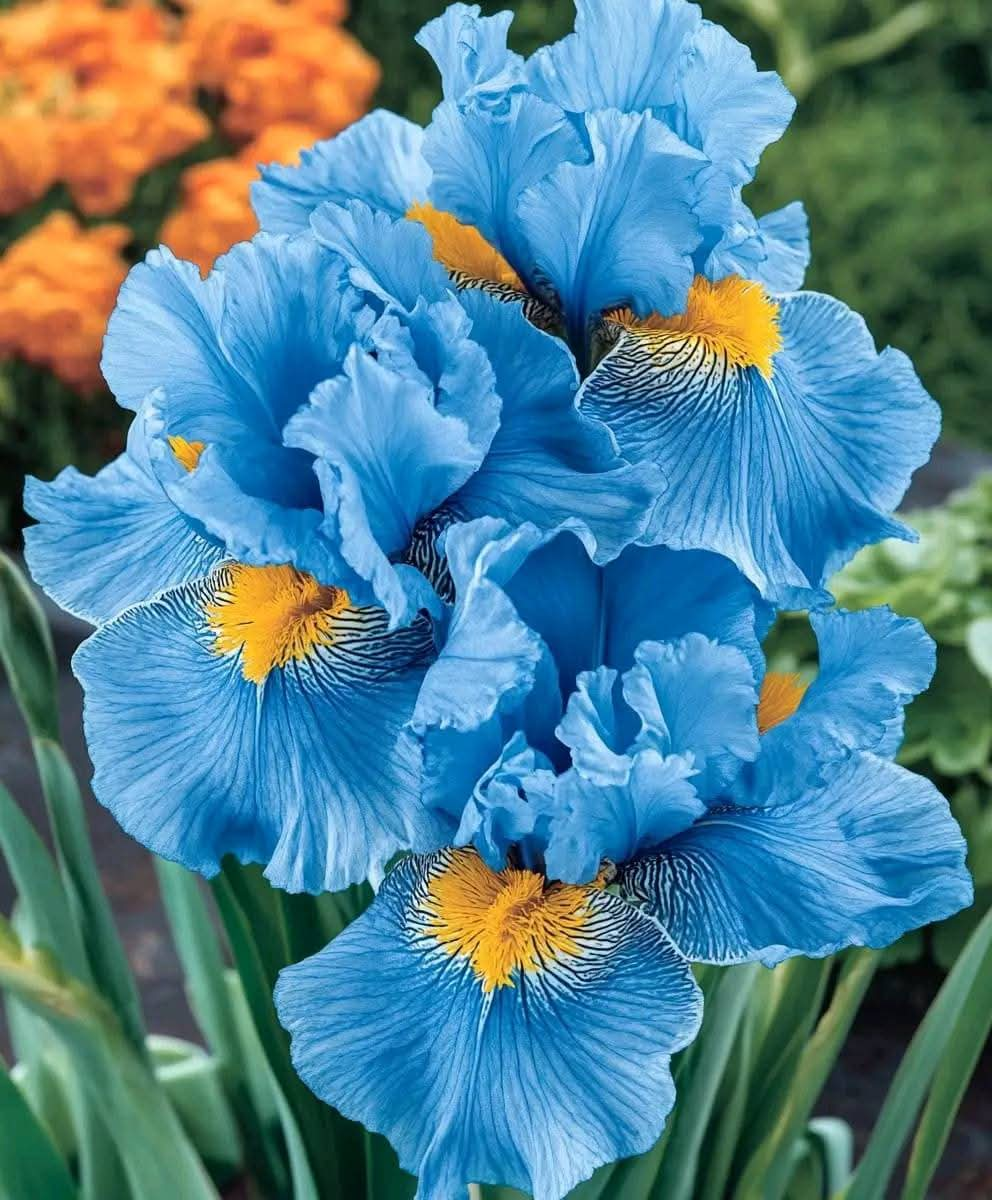
The Alpine Blue Iris is a delicate yet striking flower that enchants with its soft blue petals and vibrant yellow center. Perfect for garden beds, borders, or naturalized areas, this iris adds a refined charm to any outdoor space. Its ability to thrive in various conditions, coupled with its timeless beauty, makes it a must-have for flower lovers and garden enthusiasts alike.
Why the Alpine Blue Iris is Special
This iris variety stands out for its ethereal, sky-blue petals that gracefully unfurl to reveal a cheerful yellow center. The color contrast creates a gentle, luminous effect, bringing light and freshness to your garden. Whether planted in clusters or as a border accent, the Alpine Blue Iris delivers subtle elegance and a splash of serene color throughout the blooming season.
What You’ll Need to Grow the Alpine Blue Iris
Light: Full sun to partial shade. While irises prefer full sun for the best blooms, they can tolerate light afternoon shade, especially in warmer regions.
Temperature: Thrives in temperate climates, ideally between 50°F and 75°F (10°C to 24°C).
Soil: Well-draining, fertile soil. Irises are susceptible to rot in waterlogged soil, so make sure the area drains well after watering or rain.
Water: Water deeply but infrequently, allowing the soil to dry slightly between waterings. Once established, the Alpine Blue Iris is moderately drought-tolerant.
Fertilizer: Use a balanced fertilizer (10-10-10) in early spring and after blooming to promote healthy growth and vibrant flowers.
How to Plant and Care for Your Alpine Blue Iris
- Planting the Rhizomes:
Plant rhizomes in late summer or early fall, about 12 inches apart.
Position the rhizome just below the soil surface, with the top slightly exposed to prevent rot.
- Watering & Mulching:
Water thoroughly after planting, then reduce watering as the plant establishes.
Avoid heavy mulch directly over the rhizome, but a light layer around the base can help retain moisture and suppress weeds.
- Pruning & Deadheading:
Remove faded flowers to encourage more blooms and prevent seed formation.
Trim back foliage in late fall to reduce the risk of pests and diseases over winter.
- Dividing the Rhizomes:
Divide clumps every 3–4 years to prevent overcrowding and ensure continued blooming.
Dig up the rhizomes, separate the healthy sections, and replant them in fresh soil.
Why You’ll Love Growing Alpine Blue Irises
The Alpine Blue Iris is the perfect blend of elegance and resilience. Its soft, calming colors create a tranquil atmosphere, while its hardy nature makes it a reliable perennial that returns year after year. Plus, this iris attracts pollinators like bees and butterflies, adding even more life and vibrancy to your garden.
Whether you’re designing a cottage-style garden, filling out a sunny border, or simply adding a touch of sophistication to your outdoor space, the Alpine Blue Iris delivers beauty and grace with minimal effort.
Final Thoughts
If you’re looking to add a gentle pop of color and classic charm to your garden, the Alpine Blue Iris is an ideal choice. With proper care and thoughtful placement, these lovely blooms will reward you with years of delicate, sky-colored flowers swaying in the breeze.
Would you like me to turn this into a social media post for your gardening page or design a care guide graphic? Let me know — I’d be thrilled to help!
More Articles You Might Like
-

Southern Fried Green Tomatoes
Southern Fried Green Tomatoe Crispy, golden, tangy, and wonderfully comforting, fried green tomatoes are a classic Southern-inspired side dish or appetizer. Thick slices of firm green tomatoes are seasoned, coated in flour, egg, and cornmeal, then pan-fried until beautifully crisp on the outside while remaining pleasantly tender and tangy inside. Introduction Fried green tomatoes are…
-
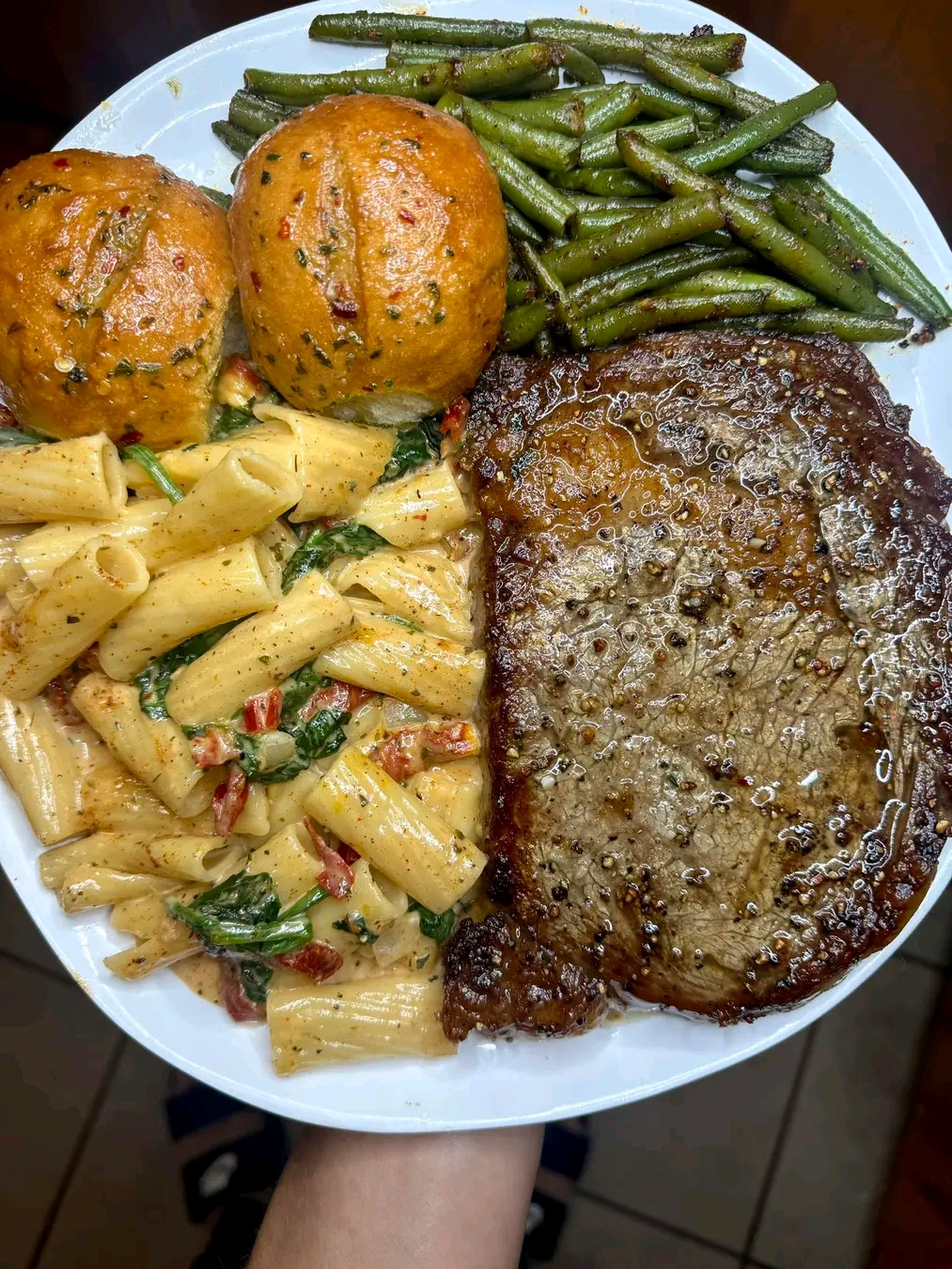
Ribeye with Tuscan Rigatoni, Garlic
Ribeye with Tuscan Rigatoni, Garli Butter Dinner Rolls & Green Beans Introduction This ribeye dinner is the ultimate combination of juicy steak, creamy Tuscan-inspired rigatoni, tender green beans, and warm garlic-butter dinner rolls. The richness of the steak and pasta is balanced beautifully by crisp-tender green beans, making this a satisfying meal for…
-

Cultural Significance
Cultural Significanc Across many cultures, herbal drinks are associated with hospitality, seasonal comfort, and traditional approaches to everyday well-being. Ginger and turmeric are especially prominent in South Asian and Asian culinary traditions. Warm spiced beverages are also enjoyed across North Africa and the Middle East, where ingredients such as cinnamon, lemon, and fresh…