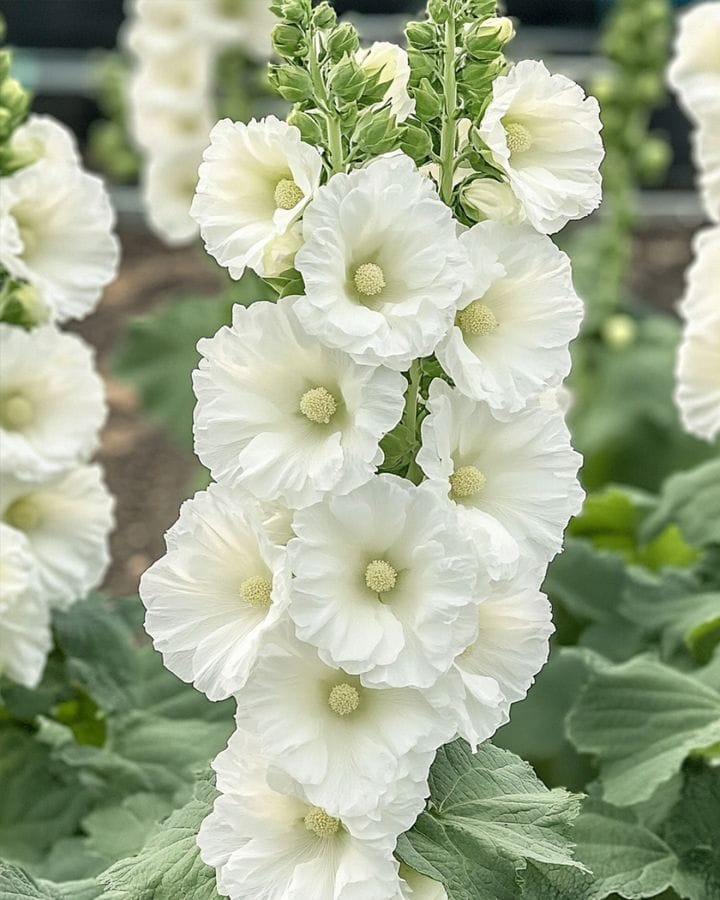
Hollyhock (Alcea rosea) is a stunning, tall perennial known for its elegant spires adorned with large, double blooms that come in a variety of colors. The pure white varieties are especially admired for their bright, striking beauty. These flowers are perfect for adding vertical interest and a touch of vintage charm to any landscape, making them a favorite in cottage gardens and floral displays.
With their towering presence and colorful blooms, Hollyhocks create a beautiful focal point in the garden, attracting pollinators and providing beauty throughout the growing season.
The Beauty of Hollyhock
Hollyhocks are characterized by their tall, upright growth, with spires that can reach up to 8 feet (2.5 meters) in height. The flowers themselves are large, often 3-4 inches wide, and can be single or double-petaled, depending on the variety. While they come in various colors—ranging from soft pastels to deep reds, purples, and pinks—the pure white varieties are especially stunning, creating a bright, clean contrast in the garden.
These flowers are typically seen as a traditional staple in cottage gardens, but they can easily blend into any garden style. Their tall, stately blooms can act as a vertical accent or backdrop for lower-growing plants, making them versatile additions to garden beds.
Care Requirements for Hollyhock
To grow Hollyhock successfully, you need to meet their basic needs for light, water, soil, and temperature. Here’s what you need to know:
Light: Full Sun
Hollyhocks thrive in full sun and need at least 6 hours of direct sunlight per day to grow tall and produce abundant blooms. The more sun they receive, the better their flowering will be. They do best in sunny spots with minimal shade, making them perfect for garden borders or the back of flower beds where they can stand tall.
Watering: Keep Soil Consistently Moist
Hollyhocks prefer consistently moist soil, especially during the growing season when they are producing flowers. Regular watering is necessary, but it’s important not to overwater. The soil should be well-draining to avoid waterlogging, which can cause root rot. If your soil tends to dry out quickly, consider mulching around the base of the plant to help retain moisture.
Soil: Rich, Well-Draining Soil
These plants grow best in rich, well-draining soil. Before planting, amend the soil with compost or organic matter to provide essential nutrients. Well-draining soil will ensure that excess water doesn’t pool around the roots, preventing issues like root rot.
If you’re planting in containers, ensure the pot has good drainage and a rich potting mix. Hollyhocks also appreciate slightly alkaline soil, so consider testing your soil’s pH and adjusting if necessary.
Temperature: 60-75°F (16-24°C)
Hollyhocks grow best in moderate temperatures, ideally between 60-75°F (16-24°C). They can tolerate a range of temperatures, but extreme heat or frost can affect their growth. In regions with colder winters, Hollyhocks are typically grown as biennials or perennials, coming back year after year with proper care.
Humidity: Moderate
Hollyhocks do best in areas with moderate humidity. They do not thrive in overly damp environments, but they still need sufficient moisture in the air, especially during the growing season. Proper spacing between plants will also improve air circulation and reduce the risk of fungal diseases like rust.
Fertilizing: Monthly Balanced Fertilizer
To promote healthy growth and flowering, apply a balanced fertilizer (such as 10-10-10) monthly during the growing season. Hollyhocks are heavy feeders, so fertilizing regularly will help them produce the best blooms. Organic fertilizers like compost or well-rotted manure are also excellent choices.
Maintenance and Care Tips for Hollyhock
Hollyhocks are relatively low-maintenance, but there are a few things to keep in mind to keep them thriving:
Pruning and Deadheading:
To encourage continuous blooming, remove spent flowers (deadheading) as they fade. This helps to prevent the plant from putting energy into seed production and encourages more blooms. After the blooming season, cut back the plant to ground level in the fall to allow for new growth the following spring.
Pests and Diseases:
While Hollyhocks are generally resilient, they can be prone to rust (a fungal disease), which can cause orange spots on the leaves. To prevent rust, ensure good air circulation around the plants and avoid overhead watering, which can encourage fungal growth. If rust appears, remove affected leaves and treat with a fungicide if necessary.
Insects like aphids and Japanese beetles can also affect Hollyhocks, so check the plants regularly for pests and treat them with natural remedies or insecticidal soap as needed.
Support for Tall Spikes:
Given their tall height, Hollyhocks may need support to prevent them from falling over, especially during heavy rain or wind. Installing stakes or plant supports early in the growing season can help keep the plants upright and prevent breakage. Be sure to place the supports gently to avoid damaging the roots or stems.
Dividing and Propagating:
Hollyhocks are typically grown from seeds, but they can also be propagated by dividing the plant in the early spring. Dig up the clump, carefully separate the rootball into smaller sections, and replant them in fresh soil. This helps to rejuvenate older plants and encourages new growth.
Using Hollyhock in Your Garden
Hollyhocks are a versatile plant that can enhance the beauty of any garden. Here are some ideas for incorporating them into your landscape:
Back of Flower Beds: Due to their height, Hollyhocks are perfect for planting at the back of garden beds or borders, where they can create a stunning vertical accent.
Cottage Gardens: Hollyhocks are a classic addition to cottage gardens and are often used to add vintage charm and color to these rustic settings.
Cut Flowers: The large, showy blooms of Hollyhocks make excellent cut flowers, perfect for creating dramatic floral arrangements. They add height and structure to floral displays, both indoors and out.
Pollinator Gardens: Hollyhocks attract a variety of pollinators, including bees and butterflies. Planting them in a pollinator-friendly garden will help support local wildlife.
Conclusion: A Timeless Garden Favorite
Hollyhocks (Alcea rosea) are a classic and stunning addition to any garden. With their tall, elegant spikes and colorful blooms, they create a striking focal point in garden beds and floral displays. Easy to care for and adaptable to a variety of garden styles, Hollyhocks bring beauty, fragrance, and vertical interest to your landscape.
Plant Hollyhocks for an elegant, cottage-garden touch and enjoy their graceful beauty and charm year after year.
More Articles You Might Like
-

Slow Cooker Beef Pot Roast with Gravy
### Slow Cooker Beef Pot Roast with Gravy ### Introduction Slow Cooker Beef Pot Roast with Gravy is the perfect comfort food for anyone who loves tender beef, hearty vegetables, and rich, savory gravy. Slowly cooked for hours, the beef becomes wonderfully soft and flavorful, while the carrots, potatoes, onions, and garlic absorb…
-

Apple Fritter Bites
Apple Fritter Bites ### Introduction Apple Fritter Bites are sweet, golden little treats packed with tender apple pieces, warm cinnamon, and a soft, fluffy interior. They bring all the comforting flavors of traditional apple fritters into a fun, bite-sized dessert that’s perfect for breakfast, afternoon snacks, holiday gatherings, or a cozy weekend at…
-
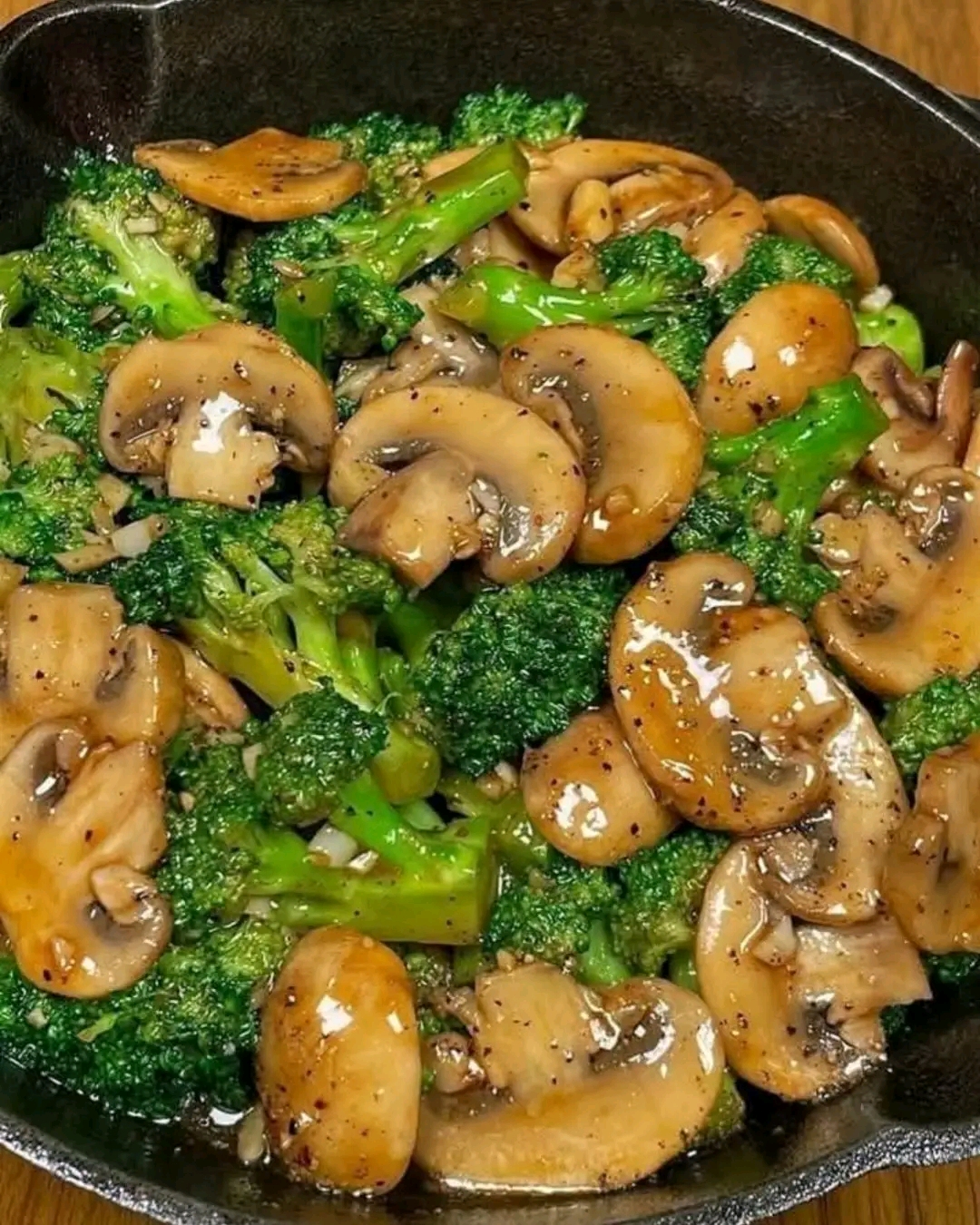
Healthy Broccoli and Mushroom Skillet in
### Healthy Broccoli and Mushroom Skillet in 15 Minutes ### Introduction If you’re looking for a quick, healthy, and delicious meal, this Broccoli and Mushroom Skillet is the perfect choice! Made with fresh broccoli, tender mushrooms, garlic, and a few simple seasonings, this colorful vegetable dish is packed with flavor and comes together…