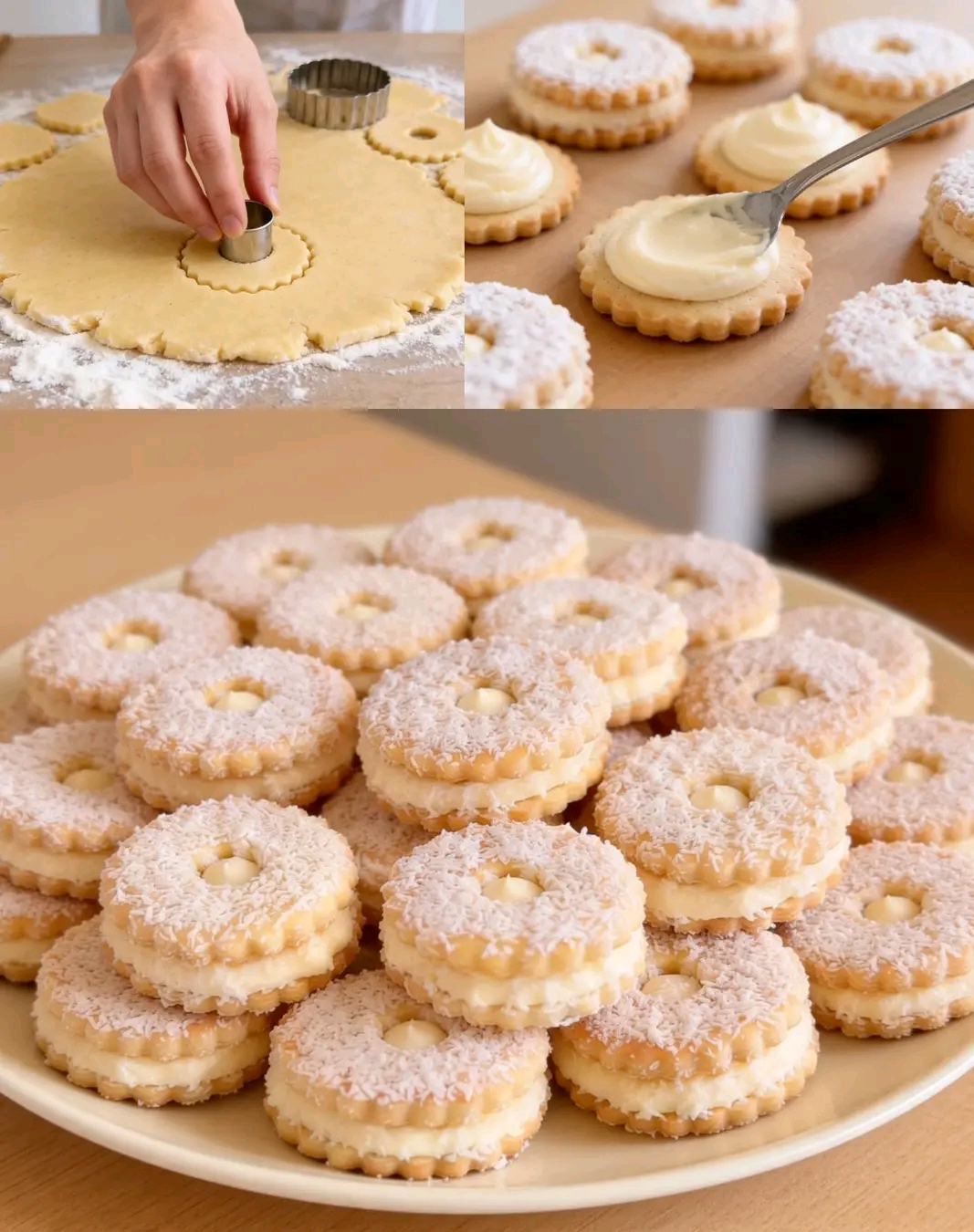
### German Butter Cookies – Die Sorte Plätzchen, bei der Gäste sofort nach dem Rezept fragen
### Introduction
Some cookies are so delicious that guests ask for the recipe after just one bite! These homemade German butter cookies (Butterplätzchen) are wonderfully delicate, buttery, and lightly sweet, making them perfect for coffee breaks, afternoon tea, holiday celebrations, or sharing with friends and family.
With simple pantry ingredients and an easy preparation method, these cookies deliver a lovely golden finish and a tender texture that melts in your mouth. Decorate them with chocolate, nuts, or a dusting of powdered sugar to make them extra special.
Preparation time: 20 minutes Chilling time: 30 minutes Baking time: 10–12 minutes per batch Servings: Approximately 30 cookies
### Origin
German butter cookies have a long history in European home baking. Traditional Plätzchen became especially popular during the Christmas season, when families prepared trays of small cookies in a variety of shapes and flavors.
Butter, flour, sugar, and eggs form the foundation of many classic recipes. Over time, regional variations developed, including vanilla crescents, spiced cookies, jam-filled biscuits, and simple cutout butter cookies.
Today, these cookies are enjoyed throughout the year, although they remain particularly associated with German Christmas baking.
### Cultural Significance
In Germany, baking Plätzchen is more than preparing a sweet treat. It is a cherished tradition that brings families together in the kitchen, especially during Advent and Christmas.
Children often help cut the dough into stars, hearts, and other shapes, while adults prepare several varieties to share with neighbors, friends, and visitors. Homemade cookies are also a thoughtful gift, beautifully presented in tins or decorative boxes.
Their familiar buttery aroma and delicate sweetness make these cookies a symbol of hospitality, celebration, and the simple pleasure of sharing homemade food.
### Ingredients Quantity
* 250 g all-purpose flour
* 125 g unsalted butter, softened
* 100 g granulated sugar
* 1 medium egg
* 1 teaspoon vanilla extract or 1 packet vanilla sugar
* 1 pinch of salt
* ½ teaspoon baking powder, optional
For decorating:
* 1 egg yolk mixed with 1 teaspoon milk, optional
* 2 tablespoons granulated or powdered sugar, optional
* 50–75 g melted chocolate, optional
* Chopped nuts or colorful sprinkles, optional
### Optional Additions
Make these cookies your own with a few simple variations:
* Lemon zest: Add 1 teaspoon for a fresh citrus aroma.
* Almond extract: Use a few drops for a delicate almond flavor.
* Cinnamon: Add ½ teaspoon for a warm, comforting taste.
* Chocolate chips: Fold a small handful into the dough if you are making round cookies rather than cutouts.
* Ground almonds: Replace 30 g of the flour with ground almonds for a nuttier flavor.
* Jam: Sandwich two baked cookies together with a little raspberry or apricot jam.
* Chocolate coating: Dip half of each cooled cookie into melted chocolate.
### Tips for Success
* Use softened butter: It should be pliable but not melted.
* Measure the flour accurately: Too much flour can make the cookies dry and crumbly.
* Chill the dough: Refrigerating the dough makes it easier to roll and helps the cookies retain their shapes.
* Roll evenly: Aim for approximately 4–5 mm thickness so the cookies bake consistently.
* Avoid overbaking: Remove the cookies when the edges are just beginning to turn golden.
* Cool before decorating: Warm cookies can cause chocolate or icing to melt unevenly.
* Store properly: Keep completely cooled cookies in an airtight container to maintain their texture.
### Instructions
1\. Prepare the dough. In a mixing bowl, beat the softened butter and sugar until creamy and well combined.
2\. Add the egg and vanilla. Mix in the egg, vanilla extract, and salt until smooth.
3\. Incorporate the dry ingredients. Add the flour and optional baking powder. Mix gently until a soft dough forms. Avoid kneading excessively.
4\. Chill the dough. Shape it into a flat disc, wrap it, and refrigerate for approximately 30 minutes.
5\. Preheat the oven. Heat the oven to 180°C (350°F). Line a baking tray with parchment paper.
6\. Roll and cut. Lightly flour your work surface and roll the dough to approximately 4–5 mm thick. Cut out stars, hearts, circles, or your favorite shapes.
7\. Arrange the cookies. Place them on the prepared tray with a little space between each cookie. If desired, brush lightly with the egg-yolk-and-milk mixture.
8\. Bake. Bake for 10–12 minutes, depending on the size and thickness, until the edges are lightly golden.
9\. Cool completely. Leave the cookies on the tray for 2–3 minutes before transferring them to a wire rack.
10\. Decorate and serve. Once cool, dust with powdered sugar, drizzle with melted chocolate, or add your preferred decorations.
### Description
These German butter cookies are crisp around the edges, delicately tender in the center, and filled with the comforting flavor of butter and vanilla. Their simple ingredients allow the buttery aroma to shine without overwhelming sweetness.
The dough is versatile enough for cutout shapes, round biscuits, or sandwich cookies filled with jam. Whether served plain or decorated for a special occasion, they look beautiful on a dessert platter and pair wonderfully with coffee, tea, or a glass of milk.
### Nutritional Information
Estimated values per cookie, assuming a batch of 30 cookies and excluding optional toppings:
| Nutrient | Approximate amount |
| ————- | —————— |
| Calories | 75–85 kcal |
| Protein | 1–1.5 g |
| Carbohydrates | 9–10 g |
| Fat | 4–5 g |
| Fiber | 0.2–0.4 g |
| Sugar | 3–4 g |
Actual values depend on the size of the cookies and the ingredients used. These traditional cookies contain wheat flour, butter, and added sugar.
### Conclusion
These German butter cookies are a wonderful example of how a handful of everyday ingredients can create something memorable. Their delicate texture, rich buttery flavor, and beautiful shapes make them ideal for holidays, family gatherings, homemade gifts, or a simple afternoon treat.
The recipe is easy to customize, beginner-friendly, and reliable when the dough is properly chilled and the cookies are removed from the oven before becoming too dark.
### Recommendation
Serve these cookies with freshly brewed coffee or tea for a traditional German Kaffee und Kuchen experience. For celebrations, arrange several shapes on a serving plate and decorate some with chocolate while leaving others plain.
You can prepare the dough a day ahead and keep it refrigerated until ready to bake. Once baked and cooled, store the cookies in an airtight container in a cool, dry place.
For an especially attractive homemade gift, layer the cookies in a decorative tin with parchment paper between the layers.
### Embracing Healthful Indulgence
Homemade baking allows you to choose your ingredients, adjust the sweetness, and decide how much to serve. While traditional butter cookies are a treat rather than a low-carbohydrate or sugar-free snack, they can still be enjoyed as part of a balanced eating pattern.
For a less-sweet version, modestly reduce the sugar while keeping in mind that it also affects texture. If you prefer to avoid white flour or added sugar, you can experiment with almond flour and an appropriate sugar substitute, although the dough will behave differently and may require a separate recipe.
Ultimately, the pleasure of homemade cookies lies in their flavor, the care that goes into making them, and the happiness of sharing them with others.