Easy Homemade Homemade Brea
Introduction
There is something incredibly satisfying about making fresh bread at home. This simple recipe uses everyday ingredients—flour, yeast, water, olive oil, and salt—to create a soft, fragrant loaf with a lightly golden crust. It is an approachable recipe for beginners and a wonderful way to enjoy homemade bread without complicated techniques.
Origin
Simple yeast breads have been prepared in homes around the world for centuries. While the exact origin of this particular formula is not known, its combination of wheat flour, yeast, water, salt, and olive oil reflects the traditions of European and Mediterranean home baking, where uncomplicated breads are often made with pantry staples.
Cultural Significance
Bread is more than a staple food in many cultures; it is often associated with hospitality, family, and sharing. Homemade bread has a special place on the table because it represents the care involved in preparing food from basic ingredients. A warm loaf served with soup, eggs, vegetables, or a main meal can turn an ordinary dinner into something memorable.
Ingredients Quantity
Makes: 1 large loaf
Prep Time: 15 minutes, plus rising time
Rise Time: Approximately 1–1½ hours
Bake Time: 30–40 minutes
– 4 tablespoons (60 ml) olive oil
– 1 tablespoon (10 g) active dry yeast
– 1 teaspoon salt
– 1⅓ cups (320 ml) warm water
– 4¾ cups (570 g) plain/all-purpose flour
Optional Additions
– 1 teaspoon garlic powder for savory bread
– 1–2 tablespoons dried herbs such as oregano, rosemary, or thyme
– 2 tablespoons sesame or sunflower seeds
– A sprinkle of poppy seeds
– ½ cup grated cheese for a cheesy variation
– A little honey for a subtly sweeter loaf
Tips for Success
– Use warm, not hot, water: Very hot water can damage the yeast. The water should feel comfortably warm.
– Measure the flour carefully: Adding too much flour can produce a dense loaf. Weighing the flour is ideal.
– Allow enough rising time: The dough should become noticeably puffy and approximately double in size.
– Don’t rush the second rise: A properly risen dough generally produces a lighter texture.
– Watch the dough rather than the clock: Rising time can vary depending on room temperature and yeast activity.
– Let the bread cool: Allow the loaf to rest before slicing so the interior can finish setting.
Instructions
1. Activate the yeast: Pour the warm water into a large mixing bowl. Add the yeast and let it stand for about 5–10 minutes, until slightly foamy.
2. Add the wet ingredients: Stir in the olive oil and salt.
3. Add the flour: Gradually add the flour, mixing until a soft dough forms.
4. Work the dough: Turn the dough onto a lightly floured surface and knead for approximately 5–8 minutes, until smoother and elastic. If the dough is extremely sticky, add a small amount of flour at a time.
5. First rise: Place the dough in a lightly oiled bowl, cover it, and leave it in a warm, draft-free place for about 1–1½ hours, or until approximately doubled in size.
6. Shape: Gently deflate the dough and shape it into a round or oval loaf. Place it on a lined baking sheet or in a lightly greased loaf pan.
7. Second rise: Cover loosely and let the dough rise again for about 30–45 minutes.
8. Prepare for baking: Preheat the oven to 200°C (400°F). If desired, make a shallow slash across the top of the loaf with a sharp knife.
9. Bake: Bake for approximately 30–40 minutes, until the loaf is golden brown and sounds hollow when tapped.
10. Cool: Transfer to a wire rack and allow it to cool before slicing.
Description
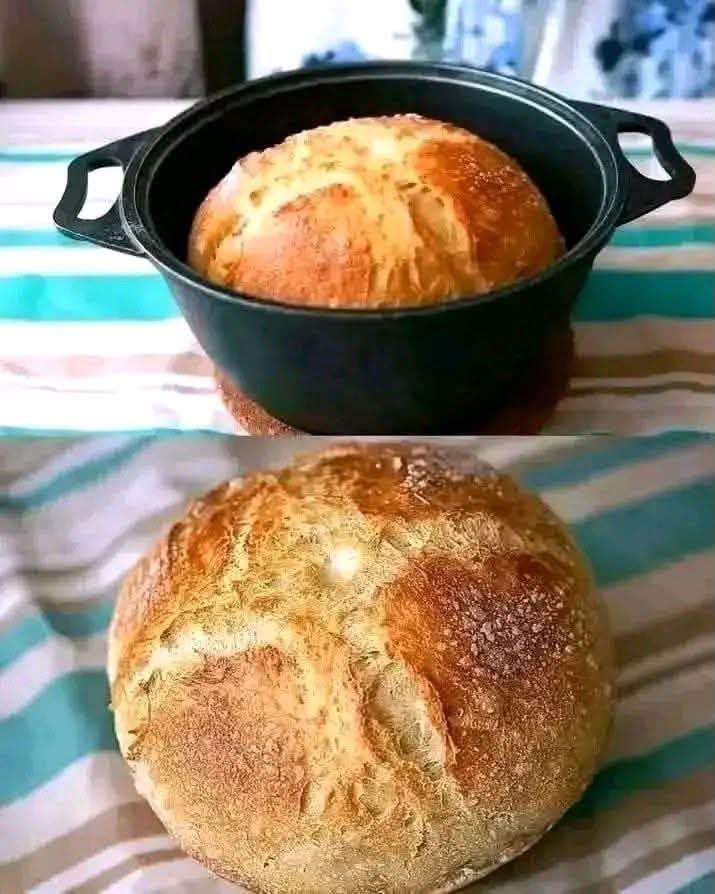
This homemade bread has a wonderfully soft interior surrounded by a lightly crisp, golden crust. Olive oil gives the crumb a pleasant tenderness and subtle richness, while yeast provides the characteristic aroma and airy texture associated with freshly baked bread. It is delicious warm with butter, olive oil, soup, eggs, or your favorite savory toppings.
Nutritional Information
Estimated per serving, assuming 12 slices:
– Calories: approximately 190–210
– Protein: 5–6 g
– Carbohydrates: 30–33 g
– Fat: 5–6 g
– Fiber: 1–2 g
– Sodium: approximately 190–220 mg
Actual values will vary depending on slice size, flour brand, and the amount of oil retained in the finished loaf.
Conclusion
Homemade bread does not have to be intimidating. With a few basic ingredients and some patience while the dough rises, you can create a beautiful loaf right in your own kitchen. Once you experience the aroma of freshly baked bread, making it yourself can become a rewarding part of your regular cooking routine.
Recommendation
Enjoy slices while slightly warm, or serve the bread alongside soups, stews, roasted vegetables, eggs, or salads. It is also excellent toasted the next day. For convenient meal planning, slice the cooled loaf and freeze individual portions.
Embracing Healthful Indulgence
Homemade bread gives you control over the ingredients, allowing you to avoid unnecessary additives and adjust the recipe to suit your preferences. For more fiber, you can replace a portion of the plain flour with whole-wheat flour, although adding too much at once may make the loaf denser. Pairing a slice with protein, vegetables, or healthy fats can also make it part of a more balanced meal.