The Ultimate Guide to Eggshell Powder for Joint Health Fact vs Fiction
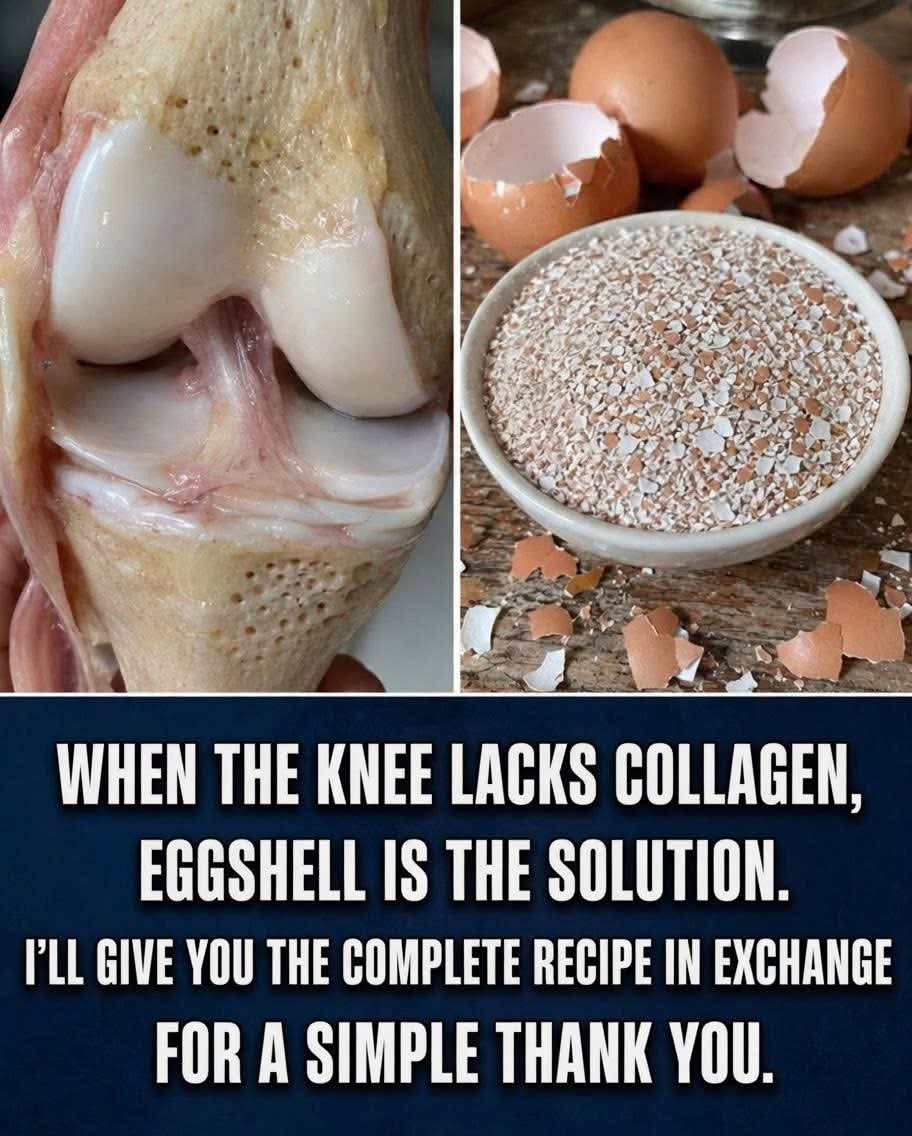
Joint pain, stiffness, and the gradual wearing down of cartilage are challenges that millions of people face daily. As we age, our body’s natural production of essential structural proteins slows down, leading many to search for affordable, natural remedies to support joint mobility. Recently, a viral trend circulating on social media—often accompanied by an image like 1000005796.jpg—claims that “when the knee lacks collagen, eggshell is the solution.” This has sparked intense curiosity about whether a common kitchen waste product can truly rebuild cartilage and soothe aching knees.
While the idea of turning breakfast scraps into a powerful wellness supplement sounds highly appealing, it is crucial to separate viral marketing from scientific reality. Eggshells are fascinating structures packed with nutrients, but understanding exactly how they interact with our joints is the key to using them safely and effectively. In this comprehensive guide, we will break down the science behind eggshells, look at what they actually provide, analyze the role of collagen in knee health, and deliver a safe, step-by-step recipe for making your own calcium supplement at home if you choose to explore this natural path.
Understanding Knee Anatomy and the Role of Collagen
To evaluate whether eggshells are the ultimate fix for knee issues, we first need to look at what happens inside a failing or aching joint. The human knee is a complex hinge joint where the thigh bone (femur), shin bone (tibia), and kneecap (patella) meet. The ends of these bones are coated in a slippery, rubbery tissue called articular cartilage, which acts as a shock absorber and allows the bones to glide smoothly over one another without friction.
Collagen is the primary structural protein found throughout the body, acting as the fundamental building block for skin, bones, tendons, ligaments, and cartilage. Specifically, Type II collagen makes up a vast majority of the protein matrix within joint cartilage. When a knee lacks collagen, or when that collagen begins to degrade due to wear and tear, osteoarthritis, or aging, the cartilage thins out. This leads to bone-on-bone friction, inflammation, swelling, and chronic pain. Rebuilding or protecting this collagen matrix is the ultimate goal of joint therapy, which is why collagen supplements have skyrocketed in popularity.
The Science Behind Eggshells: What Do They Actually Contain?
The viral image 1000005796.jpg boldly asserts that eggshells are the direct solution for a knee lacking collagen. To verify this, we have to look closely at the chemical and biological composition of a standard chicken eggshell. An eggshell is essentially split into two distinct components: the hard outer shell and the thin inner membrane.
The Outer Shell: A Calcium Powerhouse
The rigid outer portion of the eggshell is composed almost entirely of calcium carbonate, making up about 95% of its total structure. The remaining percentage consists of small amounts of other essential minerals, including magnesium, phosphorus, selenium, and strontium. From a nutritional standpoint, the outer shell is an incredibly concentrated source of elemental calcium. It does not, however, contain any collagen. Consuming finely ground outer eggshell is an excellent way to supplement dietary calcium for bone density, but it does not directly supply the structural proteins needed to rebuild joint cartilage.
The Inner Membrane: The True Source of Joint Nutrients
If there is a secret weapon for joint health hidden within an egg, it is not the crunchy shell itself, but the thin, rubbery film attached to the inside of it. This is known as Eggshell Membrane (NEM). Scientific research has shown that this delicate membrane is naturally rich in compounds that are highly beneficial for joint health. It contains Type I collagen, glucosamine, chondroitin sulfate, hyaluronic acid, and various amino acids. Clinical studies suggest that specialized extracts of eggshell membrane can help reduce joint pain, decrease stiffness, and improve flexibility in individuals suffering from osteoarthritis. Therefore, the viral claim isn’t entirely wrong, but it confuses the hard outer shell with the valuable inner membrane.
Debunking the Myth: Can Eating Eggshells Rebuild Knee Collagen?
While the components found in the eggshell membrane are highly beneficial, it is important to temper expectations regarding what a homemade remedy can achieve. Eating ground eggshells will not instantly synthesize into new knee cartilage. When you ingest collagen, calcium, or glucosamine, your digestive system breaks these compounds down into basic amino acids and minerals. Your body then distributes these nutrients wherever they are needed most—which might be your bones, your skin, or other metabolic processes—rather than sending them directly to your left knee.
Furthermore, the hard outer shell is predominantly a bone supplement, not a joint cartilage supplement. While strong bones are vital for supporting healthy joints, calcium alone cannot reverse cartilage loss or treat the root causes of osteoarthritis. To truly gain the joint-supporting benefits of eggshells, you must ensure that the inner membrane is preserved and consumed alongside the calcium-rich shell, or look into standardized, purified eggshell membrane supplements.
How to Make Safe Homemade Eggshell Powder: A Step-by-Step Recipe
If you want to utilize eggshells as a natural, budget-friendly source of calcium and trace joint nutrients, you cannot simply crush them up and eat them raw. Raw eggshells can harbor harmful bacteria, most notably Salmonella, which can cause severe foodborne illness. Additionally, large, sharp shards of unground eggshell can cause microscopic tears in your esophagus or digestive tract.
If you decide to make your own dietary supplement, you must follow a strict preparation process to ensure it is completely sterile and ground into an ultra-fine, flour-like powder. Here is the safest method to prepare homemade eggshell powder.
Step 1: Collect and Clean the Shells
Save the shells from your high-quality, organic eggs. As you use them, rinse the empty shells thoroughly under warm water to remove any remaining liquid egg white. Crucially, do not peel away the inner white membrane. Leave that thin layer attached to the inside of the shell, as that is where the trace collagen and glucosamine reside. Store the rinsed shells in a clean container in your refrigerator until you have collected a dozen or more.
Step 2: Boil for Sterilization
Bring a large pot of water to a rolling boil. Carefully drop your collected eggshells into the boiling water and let them cook for at least 10 to 15 minutes. This boiling step is non-negotiable, as the high heat effectively kills any lingering pathogens, bacteria, or mold, ensuring the shells are completely safe for human consumption.
Step 3: Dry Thoroughly
Use a slotted spoon to remove the sterilized shells from the water and spread them out evenly on a baking sheet lined with parchment paper. Preheat your oven to 225°F (107°C). Bake the eggshells in the oven for roughly 15 to 20 minutes. This process completely dehydrates the shells, making them incredibly brittle and significantly easier to grind into a fine consistency.
Step 4: Grind into an Ultra-Fine Powder
Once the shells have cooled completely to room temperature, transfer them into a high-powered blender, a clean coffee grinder, or a heavy duty mortar and pestle. Process the shells continuously until they form a completely uniform, ultra-fine powder with a texture resembling flour. Inspect the powder closely to ensure there are no visible grit or sharp flakes remaining.
Step 5: Storage and Safe Dosage
Store your finished eggshell powder in a clean, airtight glass jar in a cool, dry pantry. Because it is highly concentrated, a very small amount goes a long way. Half a teaspoon of high-quality eggshell powder provides approximately 400 to 500 milligrams of elemental calcium, which satisfies nearly half of the average adult’s daily requirement.
You can easily incorporate this powder into your daily diet by mixing it into morning smoothies, stirring it into a bowl of oatmeal, or blending it into soups, stews, and sauces where the texture will go unnoticed.
Essential Health Warnings and Safety Precautions
Before adding homemade eggshell powder to your daily wellness routine, it is vital to take several safety factors into account. Natural remedies can be incredibly potent, but they must be approached with caution and respect for your body’s unique biology.
- Risk of Calcium Overload: Because eggshell powder is a highly concentrated form of calcium carbonate, it is very easy to overconsume. An excess of calcium in the diet can lead to hypercalcemia, which can cause kidney stones, digestive issues, constipation, and can potentially interfere with cardiovascular health by contributing to arterial calcification. Stick strictly to small doses (no more than half a teaspoon daily) and monitor your total calcium intake from other dietary sources like dairy, leafy greens, and fortified foods.
- The Importance of Balanced Co-Factors: Your body cannot properly absorb or utilize calcium without the presence of vital co-factors. To ensure that the calcium from the eggshells actually makes its way into your bones rather than settling in your soft tissues or arteries, you must maintain adequate levels of Vitamin D3 and Vitamin K2. Vitamin D3 facilitates calcium absorption in the gut, while Vitamin K2 acts as a traffic director, guiding that calcium directly into the bone matrix.
- Consult with a Professional: If you suffer from chronic, severe knee pain, joint degradation, or underlying medical conditions like kidney disease or hyperparathyroidism, you should consult with a qualified physician or orthopedic specialist before relying on home remedies. Eggshell powder should be viewed as a supplementary tool for overall bone density, rather than a standalone medical cure for advanced joint disease.
Holistic Strategies for Long-Term Knee and Joint Mobility
While keeping your bones strong with calcium and supporting your tissues with amino acids is a fantastic step, maintaining long-term knee health requires a multi-faceted, holistic approach. No single ingredient can completely preserve a joint; instead, look at your daily habits to build a comprehensive joint-care routine.
Maintain a Healthy Weight
Every extra pound of body weight translates to roughly four pounds of added pressure on your knee joints when walking, and even more when running or climbing stairs. Managing your weight through a balanced diet is one of the most effective, mathematically sound ways to instantly relieve chronic stress on your knees and preserve remaining cartilage.
Engage in Low-Impact Exercise
It is a common misconception that people with sore knees should avoid exercise entirely. In reality, movement keeps joints lubricated by circulating synovial fluid, which delivers nutrients to the cartilage. Focus on low-impact activities that strengthen the stabilizing muscles around the knee—such as the quadriceps, hamstrings, and calves—without subjecting the joint to heavy impacts. Swimming, cycling, rowing, and targeted physical therapy exercises are ideal choices.
Adopt an Anti-Inflammatory Diet
Joint pain is heavily driven by systemic inflammation. By fueling your body with antioxidant-rich foods, you can naturally mitigate inflammatory responses in the joints. Incorporate plenty of omega-3 fatty acids found in wild-caught fish, walnuts, and chia seeds. Load up on colorful berries, leafy greens, and anti-inflammatory spices like turmeric (curcumin) and ginger, which have been shown to naturally ease joint discomfort.
Conclusion
The viral claims surrounding eggshells and knee health, like those seen in images across the internet, contain a fascinating grain of truth wrapped in a bit of misconception. Ground eggshells are not a magical, overnight cure that will instantly rebuild missing knee cartilage or synthesize fresh collagen upon contact. The outer shell is primarily a calcium supplement for bones, while the valuable joint-supporting compounds—like collagen, glucosamine, and hyaluronic acid—reside purely within the delicate inner membrane.
When prepared with strict adherence to sterilization, boiling, and fine grinding, homemade eggshell powder serves as an exceptional, highly cost-effective source of natural calcium and trace minerals to support overall skeletal structure. However, true joint longevity cannot be found in a single kitchen scrap. By combining smart, targeted nutritional supplementation with low-impact strength training, weight management, and an anti-inflammatory lifestyle, you can provide your knees with the comprehensive support they need to stay strong, flexible, and pain-free for years to come.