The Science of Garlic Understanding Its Natural Properties and Whole-Body Wellness Benefits
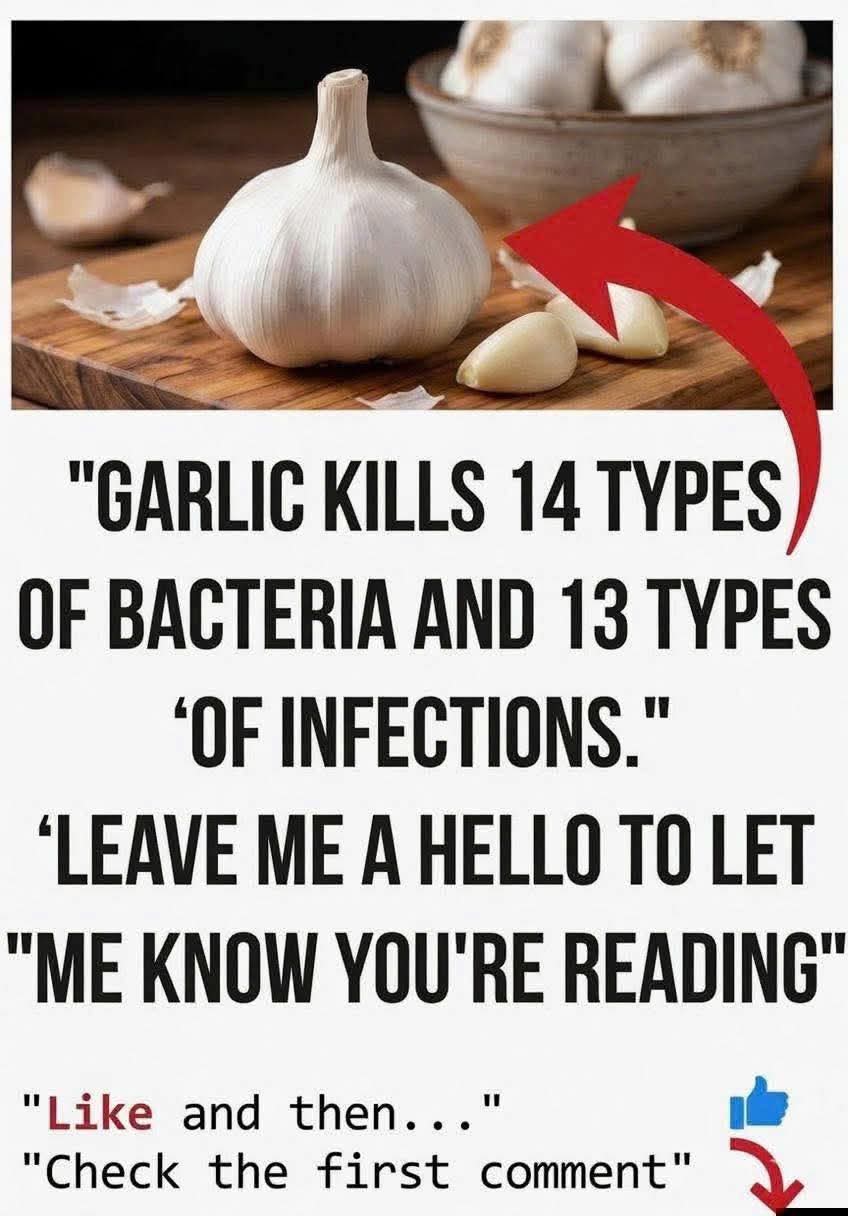
Throughout the history of human civilization, few ingredients have maintained such a dual legacy of culinary indispensability and medicinal reverence as garlic (Allium sativum). From the ancient pyramids of Giza to modern-day kitchens, this pungent bulb has been utilized across diverse cultures not just to impart robust flavor to meals, but as a core component of traditional wellness practices. Today, garlic is frequently the subject of viral social media posts, such as the image 1000005694.jpg, which claims that “garlic kills 14 types of bacteria and 13 types of infections.”
While modern laboratory studies do show that garlic possesses remarkable antimicrobial, antioxidant, and immune-supporting properties, it is essential to approach specific internet statistics with a balanced, scientifically grounded perspective. Phrasing a complex biological interaction as an absolute number can obscure the real, proven mechanisms that make garlic a true superfood. In this comprehensive article, we will separate online sensationalism from clinical reality, dive deep into the unique sulfur compounds that give garlic its power, outline how to optimize its benefits in your daily diet, and discuss practical, holistic ways to support your body’s immune system naturally.
The Chemistry of Garlic: Unlocking the Power of Allicin
To truly appreciate why garlic has earned its reputation as a natural protector, we must look at the fascinating biochemical reactions that occur inside the bulb itself. Intact, uncrushed garlic actually contains very little of its most famous active compound. Instead, it holds a stable amino acid called alliin and a separate, heat-sensitive enzyme known as alliinase.
The Defense Mechanism of the Bulb
When you slice, crush, mince, or chew a fresh clove of garlic, you rupture its cellular walls. This physical damage forces the alliin and the alliinase enzyme to come into direct contact with one another. In a matter of seconds, they react to synthesize a powerful, volatile sulfur compound called allicin. Allicin is responsible for both the sharp, biting aroma of freshly cut garlic and the vast majority of its studied antimicrobial and health-promoting properties. In nature, this chemical reaction serves as the plant’s defense mechanism, designed to protect the bulb from soil-borne fungi, pests, and microbes.
The Standardized Stability Problem
While allicin is highly potent, it is also incredibly unstable and short-lived. Once created, it begins to degrade rapidly into other beneficial sulfur compounds, such as diallyl disulfide and s-allyl cysteine. Because allicin breaks down so quickly under the influence of air and heat, it cannot act as a universal, systemic cure for deep-seated internal infections in the human body. This chemical nuance explains why simplified claims—like those found in viral graphics like 1000005694.jpg—must be interpreted as generalized nods to garlic’s localized laboratory properties rather than a replacement for modern medical antibiotics.
What the Science Actually Says: Verified Health Benefits
While garlic should never be relied upon as a sole treatment for an active infection, decades of peer-reviewed clinical research have confirmed that regular consumption of this bulb provides profound, systemic support for long-term health.
- Cardiovascular and Blood Pressure Support: One of the most thoroughly documented benefits of garlic is its ability to support heart health. Clinical trials suggest that regular garlic consumption helps promote blood vessel elasticity and stimulates the production of nitric oxide, a compound that helps relax and dilate blood vessels, thereby supporting healthy blood pressure levels already within a normal range.
- Impeccable Antioxidant Protection: Garlic is rich in organosulfur compounds and selenium, which function as powerful antioxidants. These molecules actively neutralize free radicals—unstable compounds that cause oxidative stress and cellular damage throughout the body, helping to protect vital organs from long-term wear and tear.
- Support for Healthy Cholesterol Profiles: Studies indicate that dietary garlic can play a modest role in managing lipid profiles. It helps inhibit cholesterol synthesis in the liver, contributing to the maintenance of healthy LDL cholesterol levels when combined with a balanced diet and active lifestyle.
Culinary Alchemy: How to Maximize Garlic’s Health Potential
Because the primary active compound, allicin, depends entirely on a delicate enzymatic reaction, the way you prepare garlic in your kitchen heavily impacts the amount of nutritional benefit you receive from your meal.
The “Crush and Rest” Rule
Many home cooks immediately drop minced garlic into a hot pan of sizzling olive oil. Unfortunately, heat completely deactivates the alliinase enzyme before it has a chance to create any allicin, drastically reducing the garlic’s therapeutic value. To prevent this, implement the culinary 10-minute rule: crush, chop, or mince your fresh garlic at room temperature and let it sit undisturbed on your cutting board for a full 10 minutes before introducing it to any heat. This resting window gives the enzyme ample time to complete the chemical conversion, creating a maximum concentration of stable, health-promoting sulfur compounds that can better withstand subsequent cooking.
Raw vs. Cooked Garlic
To reap the absolute maximum antimicrobial and immune-supporting benefits, consuming garlic raw or very lightly cooked is ideal. Raw garlic can be incorporated smoothly into homemade vinaigrettes, stirred into fresh tomato salsa, or blended into a rich, creamy tzatziki sauce. If the sharp bite of raw garlic is too intense for your digestion, slow-roasting whole bulbs in the oven transforms the sulfur compounds into sweet, mellow oligosaccharides, providing excellent prebiotic fiber to support a thriving, healthy gut microbiome.
Holistic Strategies for a Robust Immune System
While incorporating whole foods like garlic into your meals provides an excellent foundational boost, a truly resilient immune system cannot be built on a single ingredient alone. True wellness is a comprehensive, multi-faceted practice that requires addressing your body’s daily lifestyle habits.
Prioritize Consistent, Restful Sleep
Sleep is the critical period during which your body actively repairs cells and synthesizes essential immune proteins called cytokines. Chronic sleep deprivation dramatically blunts your immune response, leaving your body far more vulnerable to seasonal bugs. Aim for 7 to 9 hours of uninterrupted, high-quality sleep each night to give your immune defenses the rest they need to operate at peak efficiency.
Nourish Your Gut Microbiome
Approximately 70% of your body’s immune system resides directly within the tissue of your gastrointestinal tract. A diverse, healthy gut microbiome acts as a primary shield against unwanted pathogens. Support your gut health by eating a wide variety of fiber-rich plant foods, legumes, and fermented items like kefir, yogurt, sauerkraut, and kimchi, which feed and reinforce your beneficial internal bacteria.
Manage Chronic Stress Levels
When your body experiences prolonged psychological or physical stress, it releases sustained levels of the hormone cortisol. While cortisol is helpful in short bursts, chronically high levels suppress your immune system’s natural inflammatory response and reduce white blood cell production over time. Incorporate daily stress-reduction practices into your routine, such as deep-breathing exercises, meditation, walking in nature, or regular physical activity.
Important Safety Guidelines and Medical Nuances
Garlic is a highly potent botanical ingredient, and despite its widespread familiarity in cooking, it can interact strongly with the body’s internal systems.
- Blood-Thinning Properties: Garlic possesses natural antiplatelet properties, meaning it can reduce the blood’s ability to clot. If you are currently prescribed blood-thinning medications (such as warfarin or aspirin), or if you have an upcoming scheduled surgical procedure, consult your doctor regarding your therapeutic garlic intake.
- Gastrointestinal Sensitivity: For individuals with sensitive digestive tracts, irritable bowel syndrome (IBS), or those following a low-FODMAP diet, garlic can be a major trigger for bloating, painful gas, and acid reflux due to its high concentration of fermentable carbohydrates (fructans).
- When to See a Doctor: While home remedies and nutrient-dense foods are wonderful for preventive wellness, active bacterial infections require prompt professional medical evaluation. If you are experiencing a high fever, a cough producing thick or discolored mucus, sudden severe pain, or symptoms that worsen over several days, seek advice from a qualified healthcare provider immediately rather than relying on internet home remedies.
Nutritional Profile of Fresh Raw Garlic (Per 100g)
Understanding the raw nutritional density of garlic reveals why it is considered such a highly concentrated source of micronutrients and essential minerals.
| Nutrient Component | Value Per 100g |
|---|---|
| Calories | 149 kcal |
| Carbohydrates | 33 g |
| Protein | 6.4 g |
| Dietary Fiber | 2.1 g |
| Vitamin C | 31.2 mg |
| Vitamin B6 | 1.2 mg |
| Manganese | 1.7 mg |
| Selenium | 14.2 mcg |
Conclusion: Embracing Whole Foods with Critical Thinking
Garlic is undoubtedly one of nature’s finest gifts—a culinary masterpiece that doubles as a potent supporter of cardiovascular vitality, cellular defense, and overall immune health. Its rich arrays of volatile sulfur compounds offer authentic, scientifically verified benefits that have rightly earned it a place of honor in holistic nutrition.
However, as responsible digital publishers and consumers, it is vital to approach viral internet health claims—like the specific numbers presented in the graphic 1000005694.jpg—with a healthy degree of nuance and objective analysis. No individual food operates in isolation, and no single bulb can serve as a blanket cure for complex bacterial infections. By integrating fresh, properly prepared garlic into an overarching lifestyle focused on optimal sleep, robust gut health, stress management, and appropriate medical guidance, you can harness the true, unexaggerated power of this ancient superfood safely and effectively. Keep crushing your fresh cloves, let them rest to build up their allicin, and enjoy the delicious path to lifelong vitality!