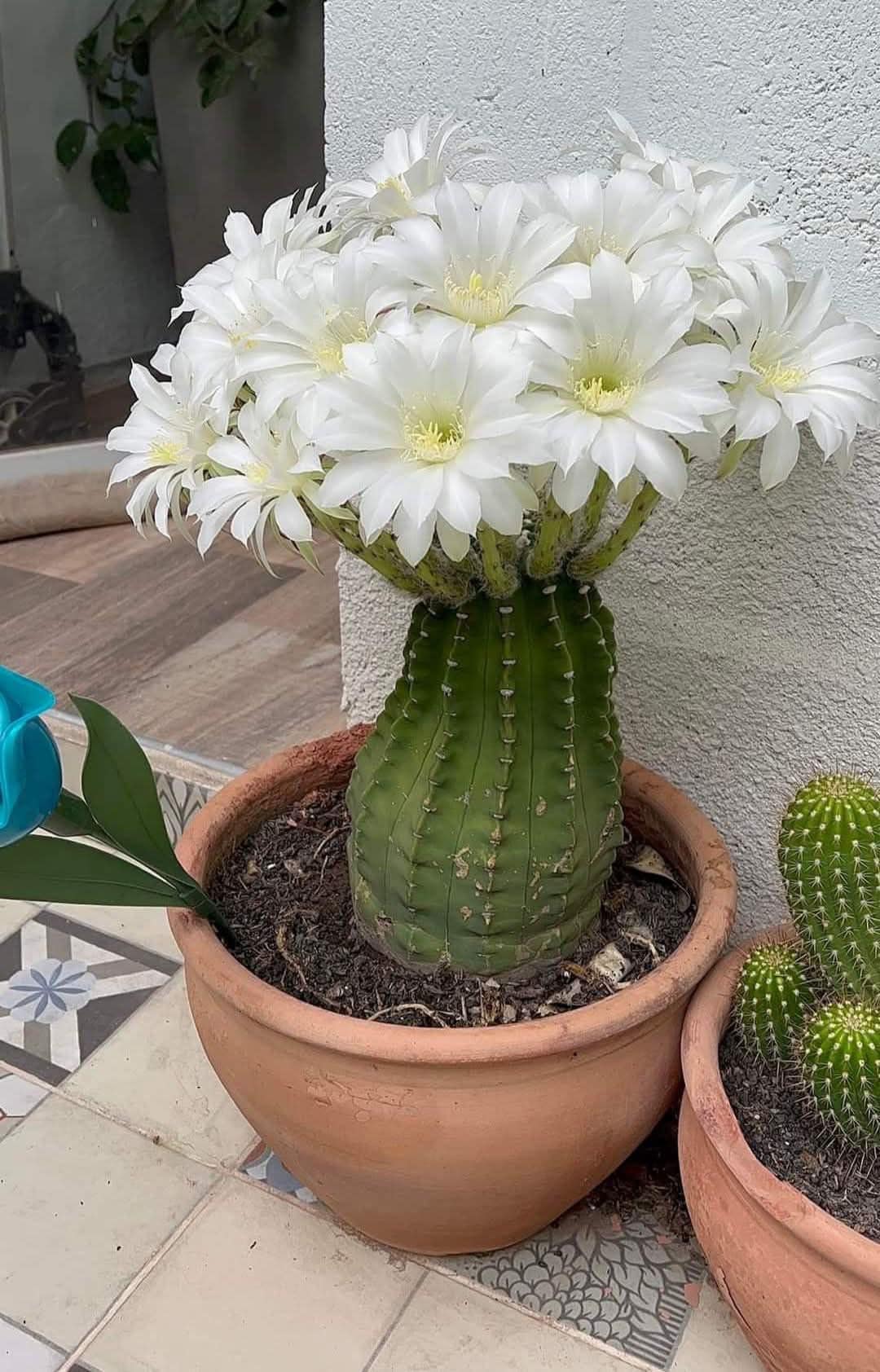
The Argentine Giant Cactus (Echinopsis candicans) is a captivating and resilient plant that can be a standout feature in any garden, particularly those designed with xeriscaping or water conservation in mind. Here’s a closer look at the growing conditions and care tips for this stunning cactus:
1. Growing Conditions for the Argentine Giant Cactus (Echinopsis candicans) 🌵
Light
Full Sun Exposure: The Argentine Giant Cactus thrives in full sun, making it ideal for gardens that receive plenty of direct sunlight. It needs at least 6 hours of sunlight per day to grow and bloom optimally.
Bright and Hot Locations: This cactus thrives in hot, sunny climates, which makes it perfect for desert landscapes or areas with warm weather year-round.
Temperature
Warm to Hot Temperatures: The Argentine Giant Cactus is well-suited for hot, arid climates and prefers temperatures between 70-100°F (21-37°C). It can tolerate high heat, making it a great choice for desert gardens.
Cold Tolerance: While the Argentine Giant Cactus is resilient, it’s not frost-tolerant. In areas where temperatures drop below freezing, it’s advisable to bring the cactus indoors or plant it in containers that can be moved to a protected area during the winter months.
Soil
Well-Draining Soil: This cactus requires well-draining soil, typically sandy or gravelly, to prevent root rot. A cactus-specific potting mix is ideal for growing it in containers.
Dry Conditions: The soil should be allowed to dry out completely between waterings. The cactus can withstand dry conditions and doesn’t like to be overwatered.
Watering
Infrequent Watering: As a desert cactus, the Argentine Giant Cactus is adapted to long periods of drought. It needs minimal watering, usually once every 2-3 weeks during the growing season (spring to summer), and even less during its dormant period (fall and winter).
Watering Guidelines: It’s important to let the soil dry out completely between waterings to avoid overwatering, which can lead to root rot. Water only when the cactus appears to be actively growing and not during dormancy.
Humidity
Low Humidity: The Argentine Giant Cactus prefers low humidity environments, which makes it well-suited for dry, desert climates. Avoid placing it in areas with high humidity, as this can cause the cactus to rot or suffer from fungal infections.
Fertilizing
Minimal Fertilization: Fertilizing is not necessary for the Argentine Giant Cactus. However, if desired, it can be fertilized lightly with a balanced cactus fertilizer during the growing season (spring and summer), about once a month. Avoid over-fertilizing, as this can harm the plant.
2. Flowering and Care
One of the most remarkable features of the Argentine Giant Cactus is its large, showy flowers, which bloom under the right conditions. Here’s what you can do to ensure a spectacular display of blooms:
Flowering Time
Summer Blooms: The Argentine Giant Cactus typically blooms in the summer, with its white and pink flowers appearing during the warmer months. The blooms can last for several days, and they usually open during the evening or at night.
Night Blooming: These flowers are night-blooming, and they attract pollinators like moths, making the blooming experience even more magical.
Pruning
Minimal Pruning Needed: The Argentine Giant Cactus does not require much pruning, except for the occasional removal of dead or damaged stems. It’s important to handle the cactus carefully, as the spines can be sharp and cause injury.
Maintain Shape: If the cactus starts to grow in an irregular shape, you can trim it to maintain its symmetry. Just be sure to use gloves or tongs to protect yourself from the spines.
3. Uses of the Argentine Giant Cactus
The Argentine Giant Cactus isn’t just a beautiful addition to the garden; it has various uses and applications.
Ornamental Uses
Stunning Garden Feature: With its large, imposing stature and dramatic blooms, the Argentine Giant Cactus is often used as a focal point in desert gardens or xeriscapes.
Low Maintenance: Due to its drought tolerance, it requires little water and maintenance, making it a great choice for water-wise landscaping or areas with water scarcity.
Container Planting
Perfect for Containers: If you’re in a region with colder winters or you prefer flexibility, the Argentine Giant Cactus can also be grown in containers. This allows you to move the cactus to a more sheltered location during extreme weather or when temperatures drop below freezing.
Ecological Role
Attracting Pollinators: As a night-blooming plant, the Argentine Giant Cactus plays an important role in attracting nocturnal pollinators such as moths and bats. These creatures help pollinate the cactus and contribute to the local ecosystem.
Conclusion
The Argentine Giant Cactus (Echinopsis candicans) is a stunning, resilient plant that is perfect for gardeners who want a dramatic, low-maintenance addition to their landscape. Its large, showy flowers, tolerance for heat and dry conditions, and striking appearance make it an ideal plant for desert gardens, xeriscaping, or as a container plant in areas with cooler winters. By providing it with the right growing conditions—full sun, minimal watering, and well-draining soil—you can enjoy the beauty and elegance of this magnificent cactus. 🌵🌸
More Articles You Might Like
-

Southern Fried Green Tomatoes
Southern Fried Green Tomatoe Crispy, golden, tangy, and wonderfully comforting, fried green tomatoes are a classic Southern-inspired side dish or appetizer. Thick slices of firm green tomatoes are seasoned, coated in flour, egg, and cornmeal, then pan-fried until beautifully crisp on the outside while remaining pleasantly tender and tangy inside. Introduction Fried green tomatoes are…
-

Ribeye with Tuscan Rigatoni, Garlic
Ribeye with Tuscan Rigatoni, Garli Butter Dinner Rolls & Green Beans Introduction This ribeye dinner is the ultimate combination of juicy steak, creamy Tuscan-inspired rigatoni, tender green beans, and warm garlic-butter dinner rolls. The richness of the steak and pasta is balanced beautifully by crisp-tender green beans, making this a satisfying meal for…
-
Cultural Significance
Cultural Significanc Across many cultures, herbal drinks are associated with hospitality, seasonal comfort, and traditional approaches to everyday well-being. Ginger and turmeric are especially prominent in South Asian and Asian culinary traditions. Warm spiced beverages are also enjoyed across North Africa and the Middle East, where ingredients such as cinnamon, lemon, and fresh…