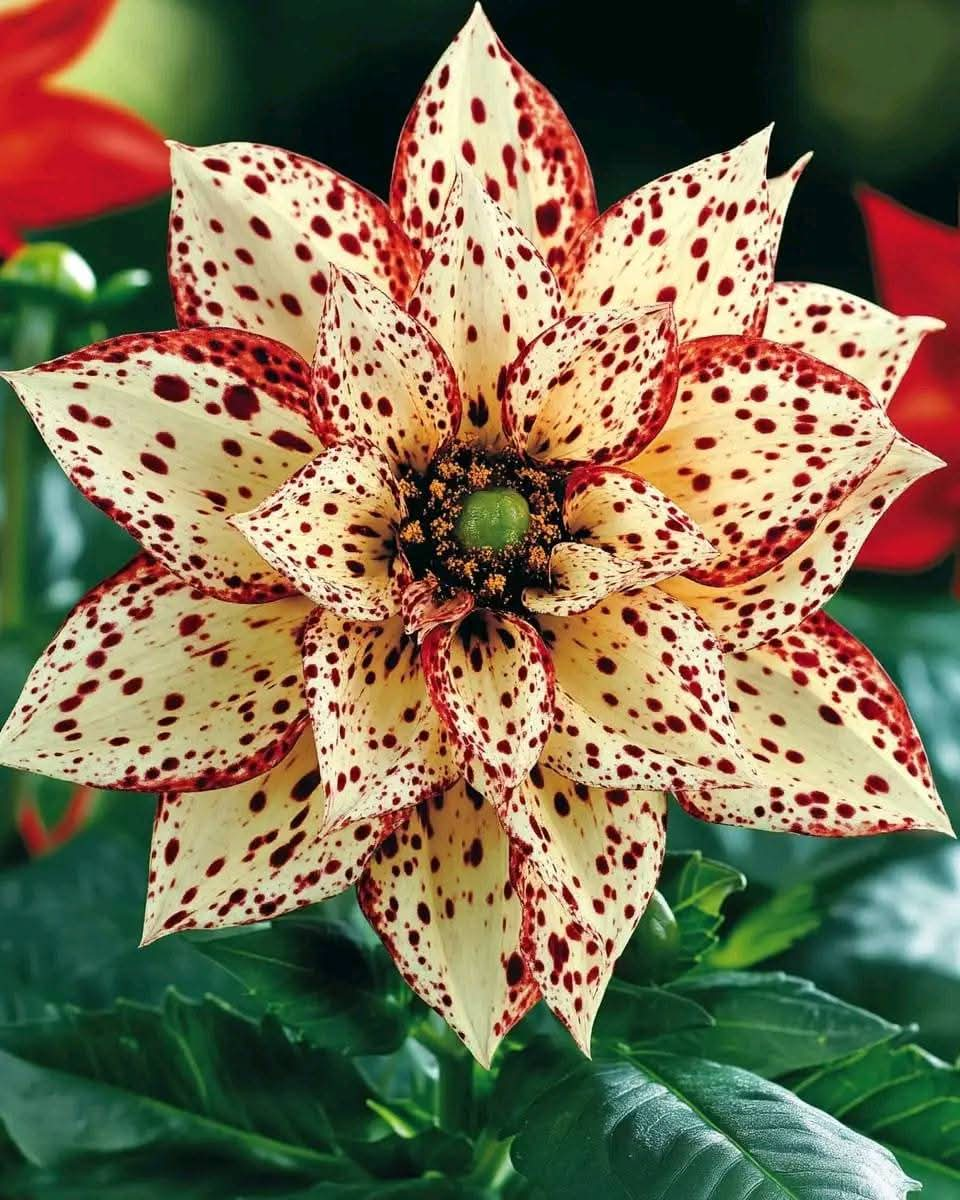
The Speckled Dahlia is a true gem in any garden, with its vibrant, patterned petals that look like nature’s paintbrush left splashes of color across each bloom. Beloved for their unique beauty and long-lasting flowers, these dahlias add elegance and charm to borders, flower beds, and even bouquets. Whether you’re an experienced gardener or just starting, growing speckled dahlias will reward you with breathtaking blooms that steal the spotlight.
Let’s explore everything you need to know to cultivate these striking flowers and enjoy their splendor season after season!
Why Speckled Dahlias Are Special
Eye-Catching Blooms: The speckled petals create a dazzling display, with vibrant streaks and spots of contrasting colors.
Long Blooming Season: Dahlias flower from midsummer to the first frost, providing months of color.
Versatile Beauty: Perfect for garden borders, containers, or as cut flowers for arrangements.
Pollinator-Friendly: Their bright blooms attract bees and butterflies, boosting biodiversity in your garden.
If you’re looking to add dynamic color and texture to your outdoor space, the Speckled Dahlia is a must-have!
What You’ll Need to Grow Speckled Dahlias
Light Requirements
Ideal: Full sun (at least 6-8 hours of direct sunlight daily).
Avoid: Partial or full shade, which can lead to fewer blooms and weaker stems.
Watering Tips
Ideal: Keep the soil consistently moist, especially during dry spells, but avoid waterlogging. Water deeply 2-3 times per week, depending on your climate.
Avoid: Overwatering or letting the tubers sit in soggy soil, as this can cause rot.
Soil Needs
Ideal: Well-draining, fertile soil enriched with organic matter (like compost or aged manure). A slightly acidic to neutral pH (6.5-7.0) is best.
Avoid: Heavy, compacted, or poorly draining soil. If needed, amend with sand or perlite to improve drainage.
Temperature & Climate
Ideal: Moderate climates with warm summers. Dahlias thrive in temperatures between 60-75°F (15-24°C).
Avoid: Frost or prolonged cold temperatures. In cooler climates, dig up the tubers after the first frost and store them for winter.
Fertilizer Routine
Ideal: Use a balanced, slow-release fertilizer (10-10-10 or 5-10-10) every 4-6 weeks during the growing season.
Avoid: Over-fertilizing with nitrogen-heavy formulas, which promote leaf growth at the expense of flowers.
How to Plant & Care for Speckled Dahlias
Step 1: Planting the Tubers
Timing: Plant after the last frost, when the soil has warmed to at least 60°F (16°C).
Spacing: Space tubers 18-24 inches apart to allow for airflow and prevent disease.
Depth: Dig a hole 4-6 inches deep and place the tuber with the “eye” (the bud-like growth point) facing up. Cover with soil and water lightly.
Step 2: Supporting the Stems
Speckled Dahlias can grow 3-4 feet tall, so they might need support to prevent bending or breakage. Use stakes, cages, or garden twine to gently secure the stems as they grow.
Step 3: Deadheading & Pruning
Deadheading: Regularly remove spent blooms to encourage more flowers.
Pinching: Pinch back the tips of young plants when they reach 12 inches tall to promote bushier growth and more blooms.
Tips for Dahlia Success
Mulch for Moisture: Apply a layer of mulch around the base to retain moisture and suppress weeds.
Watch for Pests: Look out for aphids, slugs, and spider mites. Use neem oil or insecticidal soap as needed.
Disease Prevention: Avoid wetting the foliage when watering to prevent fungal diseases. If powdery mildew appears, treat it early with a fungicide.
Winter Care & Overwintering Dahlias
In frost-prone regions, you’ll need to dig up and store the tubers to grow them again next year:
After Frost: Wait until the first frost blackens the foliage, then carefully dig up the tubers.
Clean & Dry: Rinse off excess soil and let the tubers dry for a few days in a cool, shaded area.
Store Properly: Place the tubers in a box filled with peat moss, vermiculite, or wood shavings. Store in a cool, dark place (40-50°F / 4-10°C) until spring.
Design & Landscaping Ideas
Mixed Borders: Pair speckled dahlias with complementary flowers like zinnias, salvia, or rudbeckia for a lively, layered garden bed.
Container Gardening: Grow dahlias in large pots for a portable burst of color.
Cut Flower Arrangements: Harvest blooms in the morning when they’re most hydrated, and arrange them in vases for gorgeous, long-lasting bouquets.
Timing & Bloom Schedule
Planting Time: Spring (after frost)
Blooming Season: Midsummer to first frost
Lifespan: Perennial in warm climates, or annual in colder regions (if tubers aren’t stored)
Why Speckled Dahlias Are Worth the Effort
Although they require a bit of care and attention, Speckled Dahlias reward gardeners with months of dazzling blooms that transform any space into a floral paradise. Their unique, patterned petals add drama and dimension to the landscape, while their extended bloom time makes them a reliable star from summer through fall.
If you’re ready to elevate your garden with vibrant, head-turning flowers, Speckled Dahlias are an unforgettable choice. Plant them, nurture them, and watch them flourish — your garden (and your heart) will thank you!
More Articles You Might Like
-

Southern Fried Green Tomatoes
Southern Fried Green Tomatoe Crispy, golden, tangy, and wonderfully comforting, fried green tomatoes are a classic Southern-inspired side dish or appetizer. Thick slices of firm green tomatoes are seasoned, coated in flour, egg, and cornmeal, then pan-fried until beautifully crisp on the outside while remaining pleasantly tender and tangy inside. Introduction Fried green tomatoes are…
-
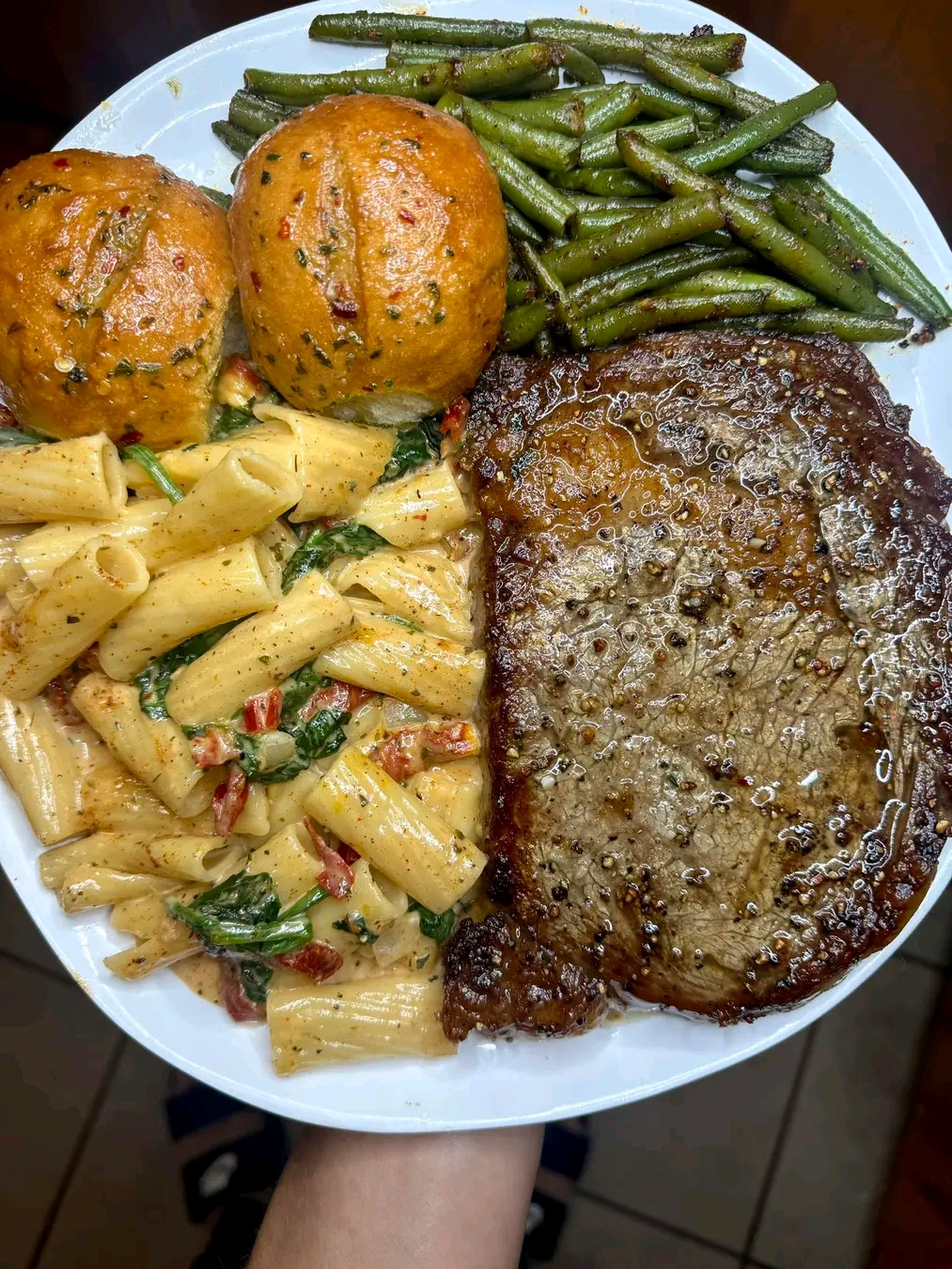
Ribeye with Tuscan Rigatoni, Garlic
Ribeye with Tuscan Rigatoni, Garli Butter Dinner Rolls & Green Beans Introduction This ribeye dinner is the ultimate combination of juicy steak, creamy Tuscan-inspired rigatoni, tender green beans, and warm garlic-butter dinner rolls. The richness of the steak and pasta is balanced beautifully by crisp-tender green beans, making this a satisfying meal for…
-
Cultural Significance
Cultural Significanc Across many cultures, herbal drinks are associated with hospitality, seasonal comfort, and traditional approaches to everyday well-being. Ginger and turmeric are especially prominent in South Asian and Asian culinary traditions. Warm spiced beverages are also enjoyed across North Africa and the Middle East, where ingredients such as cinnamon, lemon, and fresh…