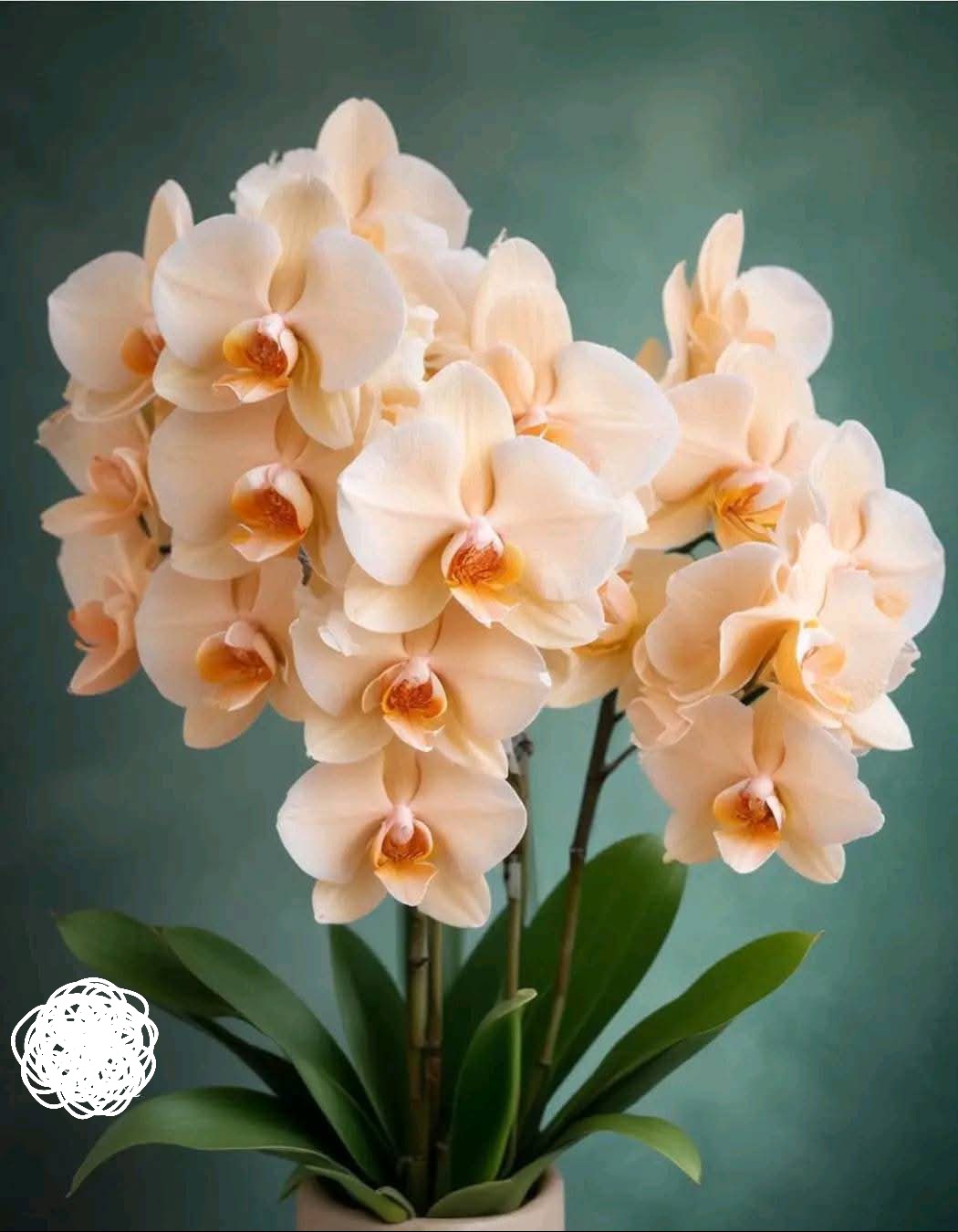
Cattleya orchids (Cattleya spp.) are often referred to as the “Queen of Orchids” due to their large, vibrant, and fragrant blooms. These stunning flowers have long been prized in corsages, floral arrangements, and home gardens. With their exotic appearance and captivating fragrance, they bring a touch of elegance and beauty to any space.
While Cattleyas require a bit more attention than some other orchids, they reward dedicated growers with breathtaking blossoms. If you’re considering adding one of these remarkable plants to your collection, this guide will walk you through everything you need to know to successfully grow and care for Cattleya orchids.
The Origins of Cattleya Orchids
Cattleya orchids are native to tropical and subtropical regions of Central and South America. They grow in diverse habitats, from lush rainforests to misty cloud forests. Most species are epiphytic, meaning they grow on trees and absorb moisture from the air, while some are lithophytic, growing on rocky surfaces.
Since they are adapted to high humidity, good airflow, and bright light, replicating these conditions at home is key to keeping them healthy.
Why Grow Cattleya Orchids?
✔ Show-Stopping Flowers – Their large, ruffled blooms come in a variety of colors, from rich purples and pinks to bright yellows and whites.
✔ Exquisite Fragrance – Many Cattleya species produce a sweet, citrusy, or floral scent, making them a delight in any home or garden.
✔ Long-Lasting Blooms – Flowers can last up to 4 weeks, with proper care.
✔ Symbol of Elegance – Often used in corsages and luxury floral arrangements, these orchids exude grace and sophistication.
✔ Durable and Resilient – Once established, Cattleyas can be long-lived and rebloom consistently.
How to Care for Cattleya Orchids in Pots
- Light Requirements
✔ Bright, indirect light is ideal.
✔ An east- or west-facing window provides the best natural light.
✔ Avoid direct midday sun, as it can scorch the leaves.
✔ If growing indoors with limited natural light, use artificial grow lights (12-14 hours per day).
✔ Healthy leaves should be light green. Dark green leaves indicate too little light, while yellow or sunburned spots mean too much light.
- Temperature Needs
✔ Cattleyas prefer warm temperatures:
Daytime: 70-80°F (21-27°C)
Nighttime: 60-70°F (15-21°C)
✔ Avoid placing them near drafts, heaters, or air conditioners, as temperature fluctuations can stress the plant.
✔ In colder climates, keep orchids indoors during winter to prevent damage from frost.
- Humidity Levels
✔ Cattleya orchids thrive in 50-70% humidity.
✔ Increase humidity by:
Placing the pot on a tray filled with pebbles and water (without the pot touching the water).
Misting the leaves in the morning.
Using a humidifier in dry environments.
✔ Good air circulation is crucial to prevent fungal and bacterial infections.
- Watering Guidelines
✔ Water when the potting mix is nearly dry, about once every 1-2 weeks.
✔ Use lukewarm, non-chlorinated water (rainwater or distilled water is best).
✔ Water thoroughly until excess water drains out—never let the pot sit in water.
✔ Reduce watering in cooler months, as orchids require less moisture during dormancy.
- Best Potting Mix for Cattleyas
✔ Use a well-draining orchid mix made of:
Bark chips (medium-grade)
Perlite
Charcoal
✔ Avoid regular potting soil—it retains too much moisture and can lead to root rot.
- Choosing the Right Pot
✔ Plastic or clay pots with drainage holes are best.
✔ Clay pots help with air circulation but dry out faster.
✔ Repot every 1-2 years, or when the mix starts to decompose.
- Fertilizing for Healthy Growth
✔ Fertilize during the growing season (spring and summer) with a balanced orchid fertilizer (20-20-20) at half strength every two weeks.
✔ Reduce or stop fertilizing in fall and winter when growth slows.
✔ Avoid over-fertilization, as it can burn the roots.
Encouraging Blooms in Cattleya Orchids
✔ Provide adequate light—insufficient light is the #1 reason orchids don’t bloom.
✔ Reduce nighttime temperatures by 10-15°F to trigger flower spikes.
✔ Avoid excessive nitrogen fertilizers, as they promote leaf growth over flowers.
✔ Allow the plant to experience a dry period between watering—mimicking its natural habitat encourages blooming.
Common Problems and Solutions
- Yellowing Leaves
✔ Cause: Overwatering, underwatering, or excessive direct sunlight.
✔ Solution: Adjust watering schedule and provide filtered light.
- Wrinkled or Shriveled Pseudobulbs
✔ Cause: Underwatering or root rot.
✔ Solution: Check roots and adjust watering habits.
- No Blooms
✔ Cause: Insufficient light, improper temperature changes, or too much nitrogen.
✔ Solution: Increase light, reduce nighttime temperatures, and adjust fertilizing routine.
- Pests (Mealybugs, Spider Mites, Aphids)
✔ Solution: Use neem oil, insecticidal soap, or rubbing alcohol on affected areas.
Displaying and Using Cattleya Orchids
✔ Indoor Beauty – Place near bright windows to enhance your home’s decor.
✔ Terrace or Balcony Displays – Ideal for outdoor growing in warm climates.
✔ Wedding Bouquets & Corsages – Their fragrance and elegance make them a popular bridal choice.
✔ Gifts – A blooming Cattleya orchid makes a stunning, long-lasting gift.
Final Thoughts
Cattleya orchids may require a bit more care than some other houseplants, but their breathtaking flowers, delightful fragrance, and exotic charm make them well worth the effort. By providing the right light, temperature, humidity, and watering routine, you can enjoy these magnificent blooms year after year.
Whether you’re a seasoned orchid enthusiast or a beginner eager to grow your first Cattleya, these stunning orchids will reward you with beauty, elegance, and a touch of luxury in your home or garden.
Have you grown Cattleya orchids before? Share your experience and tips in the comments! 🌺