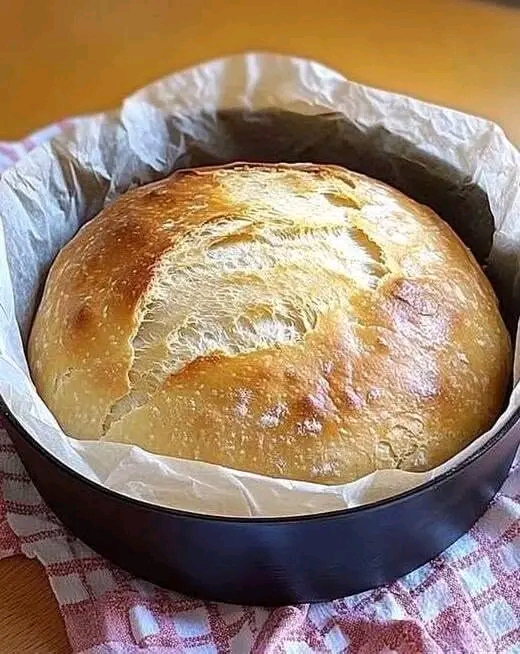
Grandma’s Homemade Bread A Simple, Traditional Bread Recipe
### Introduction
There is nothing quite like the aroma of homemade bread filling the kitchen. Grandma’s homemade bread is a simple, comforting recipe made with basic ingredients that transform into a soft, fluffy interior and a golden, beautiful crust. This timeless bread is perfect for breakfast, lunch, dinner, or simply enjoying warm with a little butter. Made with flour, yeast, salt, and a touch of butter or margarine, it brings the warmth and comfort of old-fashioned baking straight to your table.
### Origin
Homemade bread has been a staple in kitchens around the world for generations. In many European and Latin American households, grandmothers traditionally prepared bread using simple ingredients, kneading the dough by hand and allowing it to rise naturally in the warmth of the kitchen. Recipes were often passed down verbally, with every family adding its own little touch. This recipe reflects that traditional approach to breadmaking: simple, affordable, and delicious.
### Cultural Significance
Bread has long symbolized nourishment, hospitality, family, and togetherness. In many cultures, making bread at home is more than preparing food; it is an act of love and tradition. Grandma’s homemade bread reminds us of family gatherings, childhood memories, and the comforting feeling of sitting around a table with freshly baked food. Sharing a loaf with family or neighbors is a timeless gesture of warmth and generosity.
### Ingredients Quantity
* 450 g all-purpose wheat flour
* 1 cube fresh yeast (approximately 25 g)
* 250 ml lukewarm water (adjust as needed)
* 15 g soft margarine or butter
* 10 g salt
* 1 teaspoon sugar (optional, to help activate the yeast)
### Optional Additions
* 1 tablespoon olive oil for a softer dough.
* 1–2 tablespoons milk powder for a richer flavor.
* Sesame seeds, sunflower seeds, or flaxseeds for a nutritious topping.
* Herbs such as rosemary, thyme, or oregano for an aromatic loaf.
* A little honey instead of sugar to help the yeast activate.
### Tips for Success
* Use lukewarm water, not hot water, to avoid damaging the yeast.
* If using fresh yeast, crumble it into the lukewarm water with the optional sugar and allow it to dissolve.
* Knead the dough thoroughly until it becomes smooth, elastic, and slightly tacky.
* Allow the dough to rise in a warm, draft-free place until doubled in size.
* Avoid adding too much flour during kneading, as this can make the bread dense.
* Let the bread cool slightly before slicing to preserve its soft texture.
### Instructions
1\. Activate the yeast: Dissolve the fresh yeast in lukewarm water with the optional teaspoon of sugar. Let it sit for about 5–10 minutes until lightly foamy.
2\. Mix the ingredients: In a large bowl, combine the flour and salt. Add the yeast mixture and soft butter or margarine.
3\. Knead the dough: Mix until a dough forms, then knead by hand for approximately 10–12 minutes, until smooth and elastic.
4\. First rise: Place the dough in a lightly greased bowl, cover with a clean kitchen towel, and let it rise for about 1–1½ hours, or until doubled in size.
5\. Shape the bread: Gently deflate the dough and shape it into a round loaf or an elongated bread shape. Place it on a parchment-lined baking tray.
6\. Second rise: Cover the loaf and allow it to rise for another 30–45 minutes.
7\. Prepare for baking: Preheat the oven to 200°C (400°F). Optionally, lightly score the top of the bread with a sharp knife.
8\. Bake: Bake for approximately 25–35 minutes, until the crust is golden brown and the loaf sounds hollow when tapped underneath.
9\. Cool: Transfer the bread to a wire rack and allow it to cool before slicing.
### Description
This homemade bread has a beautifully golden crust, a soft and tender crumb, and a wonderfully comforting aroma. Its mild, slightly savory flavor makes it incredibly versatile. Whether served with butter, dipped into soup, used for sandwiches, or toasted for breakfast, every slice delivers the satisfying taste of traditional homemade bread.
### Nutritional Information
Approximate nutritional values per slice, based on 12 slices and using butter. Values may vary depending on ingredients and loaf size.
| Nutrient | Amount |
| ————- | ——– |
| Calories | 145 kcal |
| Protein | 4 g |
| Carbohydrates | 27 g |
| Fat | 3 g |
| Fiber | 1 g |
| Sugar | 1 g |
| Sodium | 330 mg |
### Conclusion
Grandma’s homemade bread is proof that the simplest recipes are often the most memorable. With only a handful of everyday ingredients and a little patience, you can create a delicious loaf that brings comfort, flavor, and warmth to any meal. It is an easy recipe worth keeping, baking, and sharing for years to come.
### Recommendation
Serve this bread warm with butter, homemade jam, olive oil, or your favorite soup. It also makes wonderful sandwiches, toast, and hearty accompaniments to family meals. For an extra rustic touch, sprinkle sesame seeds on top before baking or brush the crust lightly with olive oil after it comes out of the oven.
### Embracing Healthful Indulgence
Homemade bread allows you to control the ingredients and avoid many unnecessary additives found in commercial bread. You can replace a portion of the white flour with whole-wheat flour for extra fiber, add seeds for healthy fats, or reduce the salt slightly if desired. Enjoying freshly baked bread in moderate portions alongside vegetables, healthy fats, and protein can be part of a balanced eating pattern.
The beauty of homemade bread is not just in its ingredients, but in the love, patience, and tradition that go into every loaf.