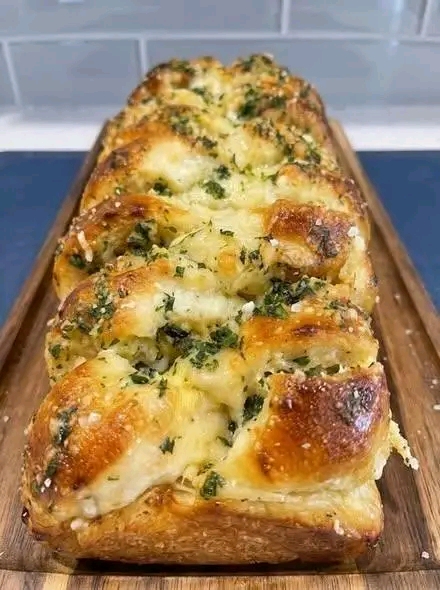
Sourdough Discard Garlic Pull-Apart Bread Soft, Buttery, and Loaded with Roasted Garlic
### Introduction
Have a jar of sourdough discard sitting in your refrigerator with no idea what to do with it? Turn it into something irresistible with this Sourdough Discard Garlic Pull-Apart Bread!
This homemade bread is soft and pillowy on the inside, golden and buttery on the outside, and packed with rich garlic flavor in every bite. The dough is enriched with sourdough discard for extra flavor, then coated with fragrant garlic butter that makes each piece wonderfully delicious.
Perfect for sharing at family dinners, serving alongside soup, or enjoying straight from the baking pan, this recipe transforms a kitchen leftover into something truly special.
The best part? You can use sourdough discard that would otherwise go to waste and create a comforting homemade bread with a beautiful texture and irresistible aroma.
### Origin
Sourdough baking dates back thousands of years, when naturally occurring wild yeasts and bacteria were used to ferment bread dough. Before commercial baker’s yeast became widely available, sourdough starters were essential in many traditional baking cultures.
Garlic bread, meanwhile, is associated with Italian-inspired cooking and became especially popular in Italian-American cuisine, where bread is toasted or baked with garlic, butter or olive oil, and herbs.
Pull-apart bread brings another layer of fun to the tradition. Instead of cutting a conventional loaf into slices, the bread is divided into individual pieces that can be pulled apart and shared.
This recipe combines those traditions with a modern sourdough-discard approach, making use of leftover starter while creating a soft, flavorful garlic bread.
### Cultural Significance
Bread has long been a symbol of hospitality, comfort, and togetherness. Across many cultures, homemade bread is placed at the center of the table and shared among family and friends.
Garlic bread has become a familiar favorite at pasta dinners, barbecues, holiday meals, and casual gatherings. Its aroma alone can make a meal feel warm and inviting.
Pull-apart garlic bread makes sharing even easier because everyone can reach for a soft, buttery piece. Using sourdough discard also reflects a practical, resourceful approach to home baking, helping bakers make the most of ingredients they already have.
### Ingredients Quantity

Preparation
25 minutes
Rising
2–3 hours
Baking
25–30 minutes
Yield: 8 servings · Total time: approximately 3–4 hours, depending on starter activity and room temperature.
### For the dough
* 200 g (about ¾ cup plus 1 tablespoon) sourdough discard, preferably 100% hydration
* 400 g (approximately 3⅓ cups) bread flour
* 180–220 ml (¾–scant 1 cup) lukewarm milk or water
* 7 g (2¼ teaspoons) instant yeast
* 30 g (2 tablespoons) softened butter or olive oil
* 8 g (about 1⅓ teaspoons) salt
* 1 tablespoon honey or sugar, optional
### For the roasted garlic butter
* 1 whole head of garlic
* 60 g (4 tablespoons) softened butter
* 1 tablespoon olive oil
* 2 tablespoons chopped fresh parsley
* ½ teaspoon salt, or to taste
* ¼ teaspoon freshly ground black pepper
* 2 tablespoons grated Parmesan cheese, optional
### For finishing
* 1 tablespoon melted butter or olive oil
* Extra chopped parsley
* A little grated Parmesan, if desired
Important: The dough uses commercial yeast for a more predictable rise. Sourdough discard contributes flavor, but old or unfed discard may not provide enough leavening on its own.
### Optional Additions
* Mozzarella cheese: Add small pieces between the dough portions for a cheesy center.
* Parmesan: Creates a savory, golden topping.
* Chili flakes: Add a little heat to the garlic butter.
* Fresh rosemary or thyme: Brings an aromatic, rustic flavor.
* Sun-dried tomatoes: Provide a tangy Mediterranean twist.
* Caramelized onions: Add a touch of sweetness.
* Olives: Work beautifully with garlic and herbs.
* Dairy-free butter: Makes the recipe suitable for those avoiding dairy, especially when paired with plant-based milk and dairy-free cheese.
### Tips for Success
* Use discard of a known consistency. The recipe assumes 100% hydration, meaning equal weights of flour and water in the starter. Adjust the liquid if your discard is thicker or thinner.
* Add liquid gradually. Start with 180 ml and add more only as needed. The dough should be soft and slightly tacky, not soupy.
* Don’t add too much flour. A slightly tacky dough helps create a softer, fluffier interior.
* Check your yeast. Fresh, active yeast gives a more reliable rise, particularly when the discard is not very active.
* Roast the garlic until soft. This mellows its sharpness and brings out a rich, sweet flavor.
* Let the dough rise sufficiently. Look for a noticeable increase in volume rather than relying only on the clock.
* Don’t overbake. Remove the bread when the top is golden and the center is fully cooked.
* Brush with garlic butter twice. Apply some before baking and a little more immediately afterward for maximum flavor.
* Rest before pulling apart. Allow the bread to cool for around 10 minutes so the pieces stay soft without becoming gummy.
### Instructions
### Step 1: Roast the garlic
Preheat the oven to 200°C (400°F).
Cut the top off the garlic head to expose the cloves. Drizzle with olive oil, wrap loosely in foil, and roast for 35–45 minutes, until the cloves are soft and golden.
Allow it to cool enough to handle, then squeeze the roasted garlic out of its skins and mash it into a paste.
You can prepare the garlic ahead of time to make the recipe quicker on baking day.
### Step 2: Mix the dough
In a large bowl, combine the sourdough discard, 180 ml lukewarm milk or water, instant yeast, and optional honey or sugar.
Add the flour, salt, and softened butter. Mix until a rough dough forms.
Knead by hand for approximately 8–10 minutes, or use a stand mixer for 5–7 minutes, until the dough becomes smooth and elastic. Add a little extra liquid if it feels too stiff.
### Step 3: Let the dough rise
Place the dough in a lightly greased bowl and cover it.
Let it rise in a warm place for approximately 1–2 hours, or until noticeably puffy and close to doubled in size. The timing will vary with room temperature and yeast activity.
### Step 4: Prepare the garlic butter
In a small bowl, mix the mashed roasted garlic with softened butter, olive oil, chopped parsley, salt, and black pepper.
Add the Parmesan if desired. Stir until the mixture is evenly combined.
### Step 5: Shape the pull-apart bread
Lightly grease a 9-inch (23 cm) round baking pan or a similar oven-safe dish.
Gently deflate the risen dough and divide it into approximately 16–20 small pieces. Roll each piece into a ball.
Arrange the dough balls in the prepared pan with a little space between them. Brush generously with some of the garlic butter, reserving the rest for after baking.
### Step 6: Allow the second rise
Cover the pan and let the dough rise for another 30–60 minutes, until the pieces look puffy and begin to touch.
Meanwhile, preheat the oven to 180°C (350°F).
### Step 7: Bake until golden
Bake for approximately 25–30 minutes, until the bread is golden brown and cooked through in the center.
If the top browns too quickly, loosely cover it with foil for the remaining baking time. For accuracy, the center of enriched bread should generally reach about 88–93°C (190–200°F).
### Step 8: Add the finishing butter
Remove the bread from the oven and immediately brush it with the remaining garlic butter.
Sprinkle with fresh parsley and extra Parmesan if desired.
### Step 9: Serve warm
Allow the bread to rest for about 10 minutes. Bring the pan to the table and pull apart the soft, fragrant pieces while they’re still warm.
Serve with soup, salad, pasta, or your favorite savory meal.
### Description
This Sourdough Discard Garlic Pull-Apart Bread is the kind of homemade treat that fills the kitchen with an incredible aroma before it even reaches the table.
The outside is golden and buttery, while the inside is soft, fluffy, and tender. Roasted garlic adds deep, mellow flavor, and fresh parsley brings a bright herbal finish.
The sourdough discard contributes a subtle tang that balances the richness of the garlic butter. Every piece is easy to pull apart, making this bread ideal for sharing—or enjoying one piece after another straight from the pan.
It’s a delicious way to give leftover starter a new purpose instead of throwing it away.
### Nutritional Information
Estimated values per serving, based on 8 servings and including the butter and garlic topping.
| Nutrient | Approximate amount |
| ————- | —————— |
| Calories | 340–390 kcal |
| Protein | 8–10 g |
| Carbohydrates | 45–50 g |
| Fat | 13–17 g |
| Fiber | 2 g |
| Sugar | 2–5 g |
| Sodium | 400–550 mg |
Actual values depend on the flour, milk, butter, cheese, and amount of garlic butter used.
### Conclusion
Sourdough Discard Garlic Pull-Apart Bread is a wonderful combination of resourceful baking and irresistible comfort food. It transforms leftover starter into a soft, fragrant loaf with a golden crust and rich roasted garlic flavor.
Whether you’re baking for family dinner, entertaining guests, or simply craving homemade bread, this recipe delivers plenty of flavor without requiring an elaborate process.
Once you’ve made it, you may find yourself saving every bit of sourdough discard just to bake it again.
### Recommendation
Serve this bread warm alongside tomato soup, roasted vegetables, pasta, or a fresh green salad. It’s also delicious with olive oil and balsamic vinegar for dipping.
For meal preparation, roast the garlic in advance and refrigerate it promptly. You can also freeze leftover baked bread in an airtight container for up to 2–3 months. Reheat it in a moderate oven until warmed through.
If you want an especially soft loaf, avoid adding excess flour and take care not to overbake it.
### Embracing Healthful Indulgence
Homemade bread gives you control over the ingredients and offers a practical way to use sourdough discard that might otherwise go to waste. You can adapt this recipe to better suit your preferences without losing its comforting character.
* For less saturated fat: Replace some or all of the butter with olive oil.
* For more fiber: Replace a portion of the bread flour with whole-wheat flour, adding liquid gradually as needed.
* For a dairy-free version: Use water or unsweetened plant-based milk and dairy-free butter.
* For less added sugar: Omit the optional honey or sugar; the bread can still rise because it contains yeast.
* For extra flavor: Use herbs and roasted garlic generously instead of relying on additional cheese or salt.
Traditional bread flour is usually refined white flour, so this recipe isn’t automatically whole-grain or sugar-free. You can adapt it if you prefer to avoid white flour or added sugar, although whole-grain substitutions may change the texture.
Remember that enjoying nourishing meals and enjoying delicious homemade treats can go hand in hand. A warm piece of garlic bread shared with loved ones can be part of a balanced, satisfying way of eating.
The simplest ingredients can create the most memorable food—and this golden, pillowy garlic bread is proof!