### Easy No-Knead Homemade Bread – No Eggs, No Butter, and Budget-Friendly!
### Introduction
There is nothing quite like the smell of freshly baked bread filling your kitchen! This Easy No-Knead Homemade Bread is perfect for anyone who wants delicious, homemade bread without complicated techniques, expensive ingredients, or hours of kneading.
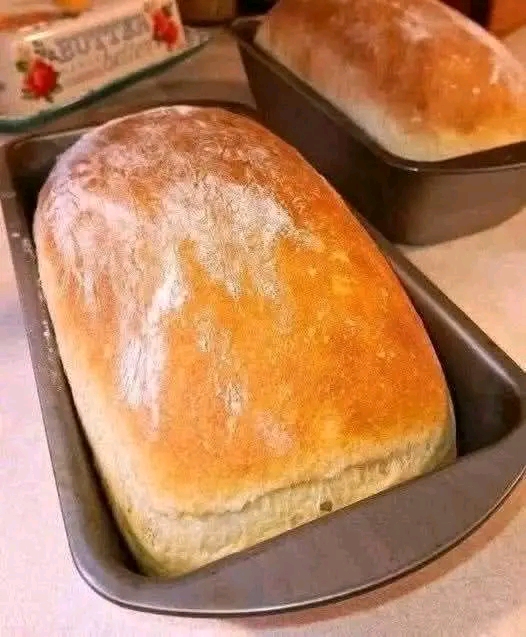
Made with a handful of everyday pantry staples, this simple bread has a golden crust and a soft, fluffy interior. You don’t need eggs, butter, or a stand mixer—just mix the ingredients, allow the dough to rise, and bake until beautifully golden.
Whether you’re a beginner baker or simply trying to save money on groceries, this easy recipe may become a regular favorite in your kitchen.
Preparation Time: 10–15 minutes Rising Time: 1–1½ hours Baking Time: 30–40 minutes Total Time: Approximately 2–2½ hours Yield: 1 medium loaf, about 8–10 slices
### Origin
Bread has been a staple food for thousands of years, with different cultures developing their own methods of mixing flour, water, salt, and leavening agents. Traditional breadmaking often involved extensive kneading, but no-knead techniques offer a simpler alternative.
As the dough rests, water hydrates the flour and gluten develops naturally over time. Yeast produces gas that helps the dough rise, creating a light texture without the need for vigorous kneading.
This budget-friendly version draws on the tradition of everyday homemade bread, using basic ingredients that are widely available.
### Cultural Significance
Bread is one of the world’s most beloved staple foods. It appears at family meals, celebrations, breakfasts, and everyday dinners across many cultures.
Homemade bread also represents resourcefulness and comfort. Making it at home allows families to control their ingredients, enjoy bread fresh from the oven, and reduce dependence on store-bought loaves.
This no-knead version makes traditional breadmaking more approachable for beginners and busy households. Its simple method shows that you don’t need expensive equipment or complicated techniques to enjoy a homemade loaf.
### Ingredients Quantity
Makes 1 medium loaf
* 3 cups (375 g) all-purpose flour or bread flour
* 1¼ cups (300 ml) warm water
* 2¼ teaspoons (7 g) instant yeast, or 1 packet
* 1 teaspoon sugar
* 1 teaspoon salt
* 1 tablespoon olive oil, optional, for a slightly softer crust
Important: This is a yeast-risen bread. The water should feel comfortably warm, not hot, to avoid damaging the yeast.
### Optional Additions
Customize your loaf with these simple additions:
* Whole-wheat flour: Replace up to 1 cup of the white flour for a heartier loaf. You may need a little extra water.
* Seeds: Add 2 tablespoons of sesame, sunflower, pumpkin, or flax seeds.
* Dried herbs: Mix in 1 teaspoon of oregano, rosemary, or thyme.
* Garlic: Add 1–2 minced garlic cloves for savory flavor.
* Olives: Fold in ¼ cup of chopped, well-drained olives.
* Oats: Sprinkle rolled oats over the top before baking.
* Honey: Replace the teaspoon of sugar with 1 teaspoon of honey if desired.
### Tips for Success
* Measure the flour correctly. Weighing the flour gives the most consistent results. Too much flour can make the loaf dense.
* Use warm water, not hot water. Excessively hot water can damage the yeast and prevent the dough from rising.
* Expect a sticky dough. No-knead bread dough is often softer and stickier than traditional kneaded dough. Avoid adding too much extra flour.
* Give the dough enough time to rise. Let it become noticeably larger, ideally close to doubling in size. Rising time depends on room temperature.
* Choose the right pan. A lightly greased loaf pan helps the bread hold its shape.
* Don’t rush the second rise. After transferring the dough to the pan, let it puff up for another 20–30 minutes.
* Bake until golden. The loaf should sound hollow when tapped on the bottom. If using a thermometer, the center should generally reach about 190–200°F (88–93°C).
* Cool before slicing. Allow the bread to cool for at least 30 minutes so the interior can finish setting.
### Instructions
### Step 1: Activate the yeast
In a large mixing bowl, combine the warm water, yeast, and sugar. Stir gently and let stand for 5–10 minutes if using active dry yeast, until foamy.
If using instant yeast, you can mix it directly with the flour instead.
### Step 2: Mix the dough
Add the flour and salt to the bowl. If using olive oil, add it now.
Stir with a wooden spoon or sturdy spatula until all the flour is moistened and a rough, sticky dough forms. There is no need to knead.
### Step 3: Let the dough rise
Cover the bowl with a clean kitchen towel or reusable cover. Leave it in a warm, draft-free place for approximately 1–1½ hours, or until the dough has risen noticeably.
A cooler kitchen may require additional time.
### Step 4: Prepare the loaf pan
Lightly grease a standard loaf pan, approximately 9 × 5 inches (23 × 13 cm).
Using a spatula, gently transfer the dough into the pan. Smooth the surface with wet fingers or the back of a spoon. Avoid adding too much flour.
### Step 5: Allow a second rise
Cover the pan loosely and let the dough rest for another 20–30 minutes, until it looks slightly puffed.
Meanwhile, preheat the oven to 375°F (190°C).
### Step 6: Bake the bread
Bake for 30–40 minutes, until the top is golden brown and the loaf is cooked through.
If the top browns too quickly, loosely cover it with foil during the final part of baking.
### Step 7: Cool and serve
Remove the bread from the oven and let it rest in the pan for about 10 minutes. Carefully transfer it to a wire rack.
Allow it to cool for at least 30 minutes before slicing. Enjoy it fresh with soup, olive oil, jam, or your favorite savory toppings.
### Description
This easy homemade bread has a lightly crisp golden crust and a soft, tender interior. Its mild flavor makes it versatile enough for sandwiches, toast, breakfast, or serving alongside soups and stews.
Because it contains no eggs or butter, the ingredient list stays simple and economical. The dough requires no kneading, making this recipe particularly appealing to people who are new to baking.
The result is a satisfying everyday loaf made with basic ingredients and very little hands-on work.
### Nutritional Information
Estimated nutrition per slice, assuming 10 slices and using the optional tablespoon of olive oil:
* Calories: 145–165
* Protein: 4–5 g
* Carbohydrates: 27–30 g
* Fat: 2–3 g
* Fiber: 1–2 g
* Sugar: Less than 2 g
Values vary with the flour used and slice size. This recipe contains wheat and gluten. Although it contains no eggs or butter, it is not automatically suitable for every dietary requirement.
### Conclusion
This Easy No-Knead Homemade Bread proves that baking a fresh loaf doesn’t have to be expensive or complicated. With flour, water, yeast, salt, and a little sugar, you can prepare a delicious everyday bread without kneading, eggs, or butter.
It is a wonderful recipe for beginners, busy families, and anyone who wants to enjoy homemade bread while keeping costs low. Once you experience the aroma and taste of a warm loaf fresh from your own oven, you may find yourself baking it again and again.
### Recommendation
Serve this bread warm alongside vegetable soup, lentil stew, roasted vegetables, or a fresh salad. It also makes excellent toast for breakfast or a simple sandwich for lunch.
To store it, allow the loaf to cool completely before placing it in an airtight bag or container. Keep it at room temperature for approximately 2–3 days, or slice and freeze it for up to 3 months.
For a crispier crust, place the loaf directly on the oven rack for the final 3–5 minutes of baking, watching carefully to prevent overbrowning.
### Embracing Healthful Indulgence
Homemade bread can be part of a balanced eating pattern, and making it yourself gives you control over the ingredients. This recipe contains no eggs or butter and uses only a small amount of added sugar.
For a more fiber-rich loaf, try replacing part of the flour with whole-wheat flour or adding seeds and oats. Increase the water slightly if the dough becomes too firm, because whole-grain flour absorbs more liquid.
If you prefer to avoid white flour, you can experiment with whole-wheat flour or a suitable flour blend, although the texture and amount of water required will change. For a completely different grain-free version, a separate recipe would be more reliable.
Enjoy a slice with nourishing toppings such as hummus, avocado, or fresh vegetables. Simple ingredients, homemade flavor, and a little patience are all you need to make bread worth sharing.