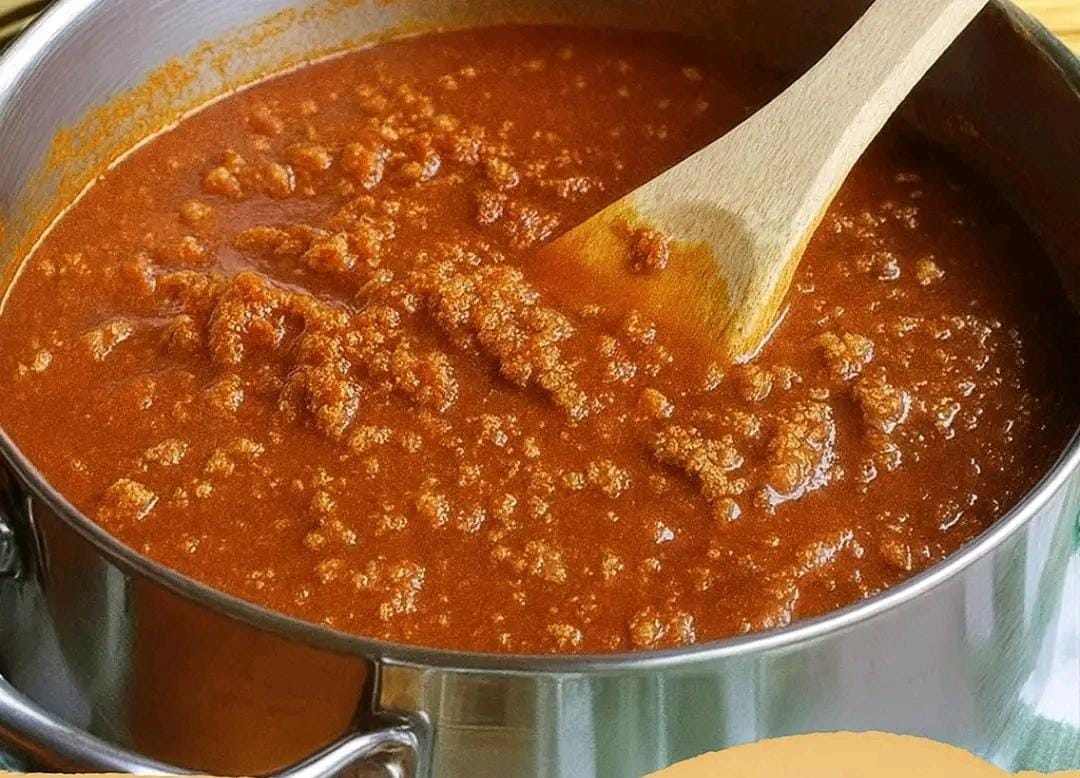
Die echte Sauce Bolognese Traditional Italian Ragù alla Bolognese
### Introduction
Discover the rich, comforting flavors of authentic Italian cooking with this traditional Sauce Bolognese! Slowly simmered with ground meat, aromatic vegetables, tomatoes, wine, and a
touch of milk, this classic sauce develops a deep, savory flavor that makes every bite memorable.
Unlike quick tomato-and-meat sauces, a traditional Bolognese relies on gentle cooking and patience. The result is a thick, velvety meat sauce that pairs beautifully with fresh tagliatelle, lasagna, or your favorite pasta.
Whether you’re preparing a cozy family dinner or treating guests to an Italian-inspired feast, this timeless recipe brings the warmth of Bologna straight to your kitchen.
Preparation time: 20 minutes Cooking time: 2½–3 hours Total time: Approximately 3 hours 20 minutes Servings: 6
### Origin
Sauce Bolognese originates from Bologna, a historic city in the Emilia-Romagna region of northern Italy. Known locally as ragù alla bolognese, this traditional meat sauce developed from the region’s rich culinary heritage.
The recipe has evolved over generations, with cooks refining the balance of meat, vegetables, wine, tomatoes, and slow cooking. In 1982, the Italian Academy of Cuisine deposited a reference recipe for ragù alla bolognese with the Bologna Chamber of Commerce to help preserve the traditional preparation.
The authentic approach emphasizes a carefully cooked meat ragù rather than a sauce dominated by tomatoes.
### Cultural Significance
In Italy, food is more than nourishment; it is an important part of family life, regional identity, and shared traditions. Ragù alla Bolognese represents the culinary character of Bologna, a city celebrated for its pasta-making traditions and hearty dishes.
The sauce is especially associated with fresh egg tagliatelle and is also an essential component of traditional lasagne alla bolognese.
Families often have their own variations, passed down through generations. Although ingredients and techniques may differ slightly from one household to another, the central idea remains the same: good ingredients, careful preparation, and enough time for the flavors to develop.
### Ingredients Quantity
### Ingredients for authentic-style Bolognese
* 500 g ground beef
* 150 g ground pork
* 100 g pancetta, finely diced
* 1 medium onion, finely chopped
* 1 medium carrot, finely chopped
* 1 celery stalk, finely chopped
* 2 tablespoons olive oil
* 30 g butter
* 150 ml dry white wine or red wine
* 250 ml whole milk
* 400 g canned crushed tomatoes or passata
* 2 tablespoons tomato paste
* 250–400 ml beef or vegetable stock, as needed
* Salt, to taste
* Freshly ground black pepper, to taste
* A small pinch of nutmeg, optional
For serving:
* 500–600 g fresh tagliatelle, or 400–500 g dried pasta
* Freshly grated Parmigiano-Reggiano cheese
* Fresh parsley, optional
### Optional Additions
Traditional ragù is relatively simple, but you can adapt it to your preferences.
* Chicken liver: A small amount can add depth and richness to some traditional variations.
* Bay leaf: Add one leaf during simmering for a subtle herbal aroma.
* Fresh thyme: Use sparingly for an aromatic variation.
* Extra vegetables: Finely chopped mushrooms can add an earthy flavor, although they are not essential to the traditional recipe.
* A splash of stock: Add a little more if the sauce becomes too thick during cooking.
* Parmesan rind: Simmer a clean Parmesan rind in the sauce for extra savory depth, then remove it before serving.
For a more traditional flavor profile, avoid adding excessive garlic, sugar, or large quantities of herbs that might overwhelm the meat.
### Tips for Success
* Finely chop the vegetables. The onion, carrot, and celery should be small enough to soften into the sauce.
* Cook the pancetta slowly. Allow its fat to render gently before adding the other ingredients.
* Brown the meat properly. Add it in batches if necessary to prevent overcrowding and steaming.
* Deglaze with wine. Let the wine simmer until most of its sharp alcoholic aroma has dissipated.
* Add the milk. It softens the sauce’s acidity and contributes to its characteristic richness.
* Keep the heat low. A gentle simmer develops flavor without drying out the meat.
* Be patient. Allow at least 2½ hours of gentle cooking for a rich, cohesive sauce.
* Season toward the end. Taste before adding more salt, particularly if your stock and pancetta are already salty.
* Pair it with the right pasta. Fresh tagliatelle is a classic choice because its broad surface holds the meat sauce beautifully.
### Instructions
### Step 1: Prepare the soffritto
Finely chop the onion, carrot, and celery.
Heat the olive oil and butter in a large, heavy-bottomed pot over medium-low heat. Add the pancetta and cook gently until some of its fat has rendered.
Add the chopped vegetables and cook for approximately 8–10 minutes, stirring occasionally, until softened but not deeply browned.
### Step 2: Brown the meat
Add the ground beef and pork to the pot. Break the meat into small pieces with a wooden spoon.
Cook for approximately 10–15 minutes, stirring occasionally, until the meat has lost its raw appearance and begins to brown lightly. Allow excess moisture to evaporate before proceeding.
### Step 3: Add the wine
Pour in the wine and stir, scraping up any flavorful browned bits from the bottom of the pot.
Simmer until most of the liquid has evaporated and the strong wine aroma has mellowed.
### Step 4: Incorporate the milk
Add the milk and, if desired, a small pinch of nutmeg.
Simmer gently until most of the milk has been absorbed into the meat mixture. This step helps create a rounded, mellow flavor.
### Step 5: Add the tomatoes
Stir in the tomato paste and crushed tomatoes. Add approximately 250 ml of stock and mix well.
Bring the mixture to a very gentle simmer. Do not let it boil vigorously.
### Step 6: Simmer slowly
Reduce the heat to low and partially cover the pot, leaving a small opening for steam to escape.
Cook gently for 2–2½ hours, stirring every 20–30 minutes. Add more stock or water if the sauce becomes too dry before the meat is tender and the flavors have developed.
The finished ragù should be thick, rich, and moist, with the meat integrated into the sauce rather than floating in a watery tomato base.
### Step 7: Season and finish
Taste the sauce and adjust the salt and black pepper as needed. Remove any bay leaf or other whole herbs if used.
If the sauce is too thin, simmer uncovered for a little longer. If it is too thick, add a small splash of hot stock or water.
### Step 8: Cook the pasta
Bring a large pot of salted water to a boil. Cook the tagliatelle according to the package instructions until al dente.
Reserve a little pasta water before draining.
### Step 9: Combine and serve
Transfer the drained pasta to a pan with enough Bolognese sauce to coat it. Toss gently over low heat, adding a splash of reserved pasta water if necessary.
Serve immediately with freshly grated Parmigiano-Reggiano and, if desired, a little fresh parsley.
### Description
Authentic-style Sauce Bolognese is a hearty, slow-cooked meat ragù with a deep savory aroma and a rich, velvety texture. The sweetness of the softened vegetables balances the meat, while the wine, milk, and tomatoes create a beautifully rounded flavor.
Every spoonful delivers tender meat, subtle vegetable sweetness, and a satisfying richness that clings to pasta. It is a wonderful example of how simple ingredients can become something exceptional through time and careful cooking.
### Nutritional Information
Estimated nutritional values per serving, assuming six servings of sauce and excluding pasta and cheese:
| Nutrient | Approximate amount |
| ————- | —————— |
| Calories | 400–480 kcal |
| Protein | 27–33 g |
| Carbohydrates | 10–15 g |
| Total fat | 25–33 g |
| Saturated fat | 10–13 g |
| Fiber | 2–4 g |
| Sugar | 7–10 g |
The values will vary depending on the fat content of the meat, the amount of pancetta, and the specific tomatoes and milk used.
Pasta and Parmesan will increase the total calories, carbohydrates, protein, and fat of the finished meal.
### Conclusion
The real Sauce Bolognese is a celebration of traditional Italian home cooking. Its secret lies not in complicated ingredients but in the careful layering of flavors and the patience to let the sauce simmer slowly.
With tender meat, aromatic vegetables, wine, milk, and tomatoes working together, this classic ragù transforms an ordinary pasta dinner into a deeply satisfying meal.
Prepare a generous batch, share it with family and friends, and enjoy a taste of Bologna at your own table.
### Recommendation
For the most authentic-style experience, serve this ragù with fresh tagliatelle rather than relying exclusively on spaghetti. It is also excellent in lasagne alla bolognese or alongside other sturdy pasta shapes.
The sauce can be made a day ahead; its flavors often become even more harmonious after refrigeration overnight. Cool leftovers promptly, refrigerate in an airtight container, and use within 3–4 days. Reheat thoroughly, adding a little water or stock if needed.
You can also freeze portions for up to approximately 3 months for convenient future meals. Thaw safely in the refrigerator before reheating.
### Embracing Healthful Indulgence
Traditional Bolognese can fit into a balanced eating pattern when served in portions that suit your needs. Its meat provides protein, while carrots, celery, onions, and tomatoes contribute flavor and useful nutrients.
Here are a few ways to adapt the dish:
* Choose leaner meat: Use lean ground beef and reduce the pancetta or butter if you prefer less saturated fat.
* Add more vegetables: Finely chopped mushrooms, zucchini, or extra carrots can increase the vegetable content.
* Adjust the pasta portion: Serve a moderate portion of pasta with a generous spoonful of ragù.
* Try alternative pasta: Whole-grain pasta provides more fiber, while suitable legume-based pasta can provide additional protein.
* Keep the flavor, reduce excess salt: Use lower-sodium stock and rely on herbs, black pepper, and freshly grated cheese for flavor.
For anyone avoiding white flour, the ragù itself contains no flour, so it can be served with zucchini ribbons, cauliflower rice, or a suitable pasta alternative. If dairy causes discomfort, you can omit the milk or use an unsweetened alternative, understanding that the traditional flavor and texture will change slightly.
The beauty of homemade cooking is that you can preserve the heart of a beloved Italian dish while adjusting the ingredients to your
preferences. Enjoy it slowly, share it generously, and let this timeless recipe bring warmth and pleasure to your table.