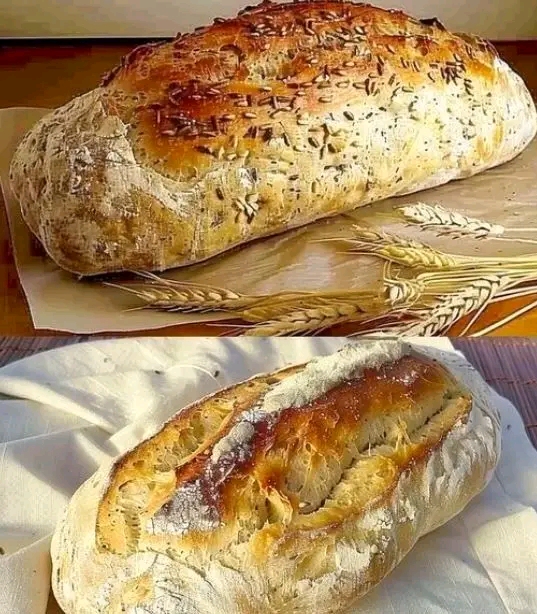
German Onion Bread with 250 g Low-Fat Quark Zwiebelbrot mit Introduction
German Onion Bread with Low-Fat Quark is a delicious, savory bread that is quick to prepare, wonderfully flavorful, and perfect for breakfast, lunch, or an afternoon snack. Made with 250 g of Magerquark (low-fat quark), onions, and a few simple baking ingredients, this bread offers a soft, moist interior with a golden crust.
The German phrase “schneller gegessen als gebacken” means “eaten faster than it was baked,” perfectly describing how irresistible this homemade onion bread can be! It is ideal for anyone who loves fresh bread without spending hours kneading or waiting for yeast dough to rise.
Preparation Time: 15 minutes Baking Time: 30–40 minutes Total Time: Approximately 45–55 minutes Servings: 8 slices
### 2\. Origin
Onion bread is a popular savory bread variation in Germany and other parts of Central Europe, where onions have long been used to add flavor and moisture to homemade baked goods. Traditional versions are often prepared with yeast dough and fried or sautéed onions.
This quicker version uses Magerquark, a fresh, mild dairy product commonly found in German kitchens. Quark-based doughs are popular in German baking because they can produce tender, moist baked goods without requiring the long rising time associated with traditional yeast bread.
### 3\. Cultural Significance
Homemade bread holds a special place in German food culture. From hearty rye loaves to rustic farmhouse breads, bread is a staple served with cheese, cold cuts, soups, and fresh vegetables.
Onion bread reflects the comforting tradition of turning simple, affordable ingredients into something delicious. The addition of quark gives this modern version a practical twist, making it suitable for busy households and spontaneous baking.
It is especially enjoyable when served warm, straight from the oven, with a little butter or alongside a bowl of homemade soup.
### 4\. Ingredients Quantity
For 1 small loaf, approximately 8 slices
* 250 g low-fat quark (Magerquark)
* 300 g all-purpose flour or bread flour
* 1 medium onion, finely chopped (approximately 100–120 g)
* 1 packet baking powder (approximately 15–16 g)
* 1 large egg
* 2 tablespoons olive oil or neutral vegetable oil
* 1 teaspoon salt
* ½ teaspoon black pepper
* 1 teaspoon dried parsley or chives (optional)
* 1–3 tablespoons milk or water, only if needed to bring the dough together
### 5\. Optional Additions
Customize your onion bread with these delicious additions:
* Grated cheese: Add 50–75 g of grated Gouda or Parmesan for a richer flavor.
* Garlic: Mix in one minced garlic clove for extra savory depth.
* Fresh herbs: Chives, parsley, or thyme complement the onion beautifully.
* Caraway seeds: Add ½ teaspoon for a traditional Central European flavor.
* Spring onions: Replace some of the regular onion with chopped spring onions.
* Seeds: Sprinkle sesame, sunflower, or pumpkin seeds over the loaf before baking.
* Whole-wheat flour: Replace up to one-third of the flour with whole-wheat flour for a heartier texture. Add a little extra liquid if necessary.
### 6\. Tips for Success
* Drain watery quark if necessary. If your quark is particularly wet, drain it briefly so the dough does not become too sticky.
* Cook the onions first for a sweeter flavor. Briefly sauté the chopped onion in a little oil, then allow it to cool before adding it to the dough.
* Avoid overmixing. Mix until the ingredients form a cohesive dough. Excessive mixing can make the bread dense.
* Adjust the consistency carefully. Quark moisture varies, so add extra flour a tablespoon at a time if the dough is too sticky.
* Shape with lightly floured hands. This makes the dough easier to handle without adding too much flour.
* Check the center. The loaf should be golden on the outside and fully baked inside. If it browns too quickly, cover it loosely with foil.
* Let it rest before slicing. Allow the bread to cool for at least 10 minutes so the crumb can set properly.
### 7\. Instructions
Step 1: Prepare the oven
Preheat the oven to 200°C (400°F). Line a baking tray with parchment paper or lightly grease a small loaf pan.
Step 2: Prepare the onion
Peel and finely chop the onion. For a milder, sweeter flavor, sauté it in a little oil for 4–5 minutes. Let it cool before mixing it into the dough.
Step 3: Combine the wet ingredients
In a large bowl, combine the 250 g quark, egg, and oil. Stir until smooth.
Step 4: Mix the dry ingredients
In a separate bowl, combine the flour, baking powder, salt, black pepper, and optional herbs.
Step 5: Make the dough
Add the dry ingredients to the quark mixture. Stir until a soft dough forms. Fold in the chopped onion. If the dough is too dry, add a little milk or water; if it is too sticky, add flour gradually.
Step 6: Shape the bread
Transfer the dough to a lightly floured surface and shape it into a round loaf or place it in the prepared loaf pan. Smooth the top with lightly floured hands.
Step 7: Bake
Bake for 30–40 minutes, depending on the shape and thickness of the loaf. The bread should be golden brown and cooked through. If using a thermometer, the center should reach approximately 93–96°C (200–205°F).
Step 8: Cool and serve
Remove the bread from the oven and let it rest for at least 10 minutes. Slice and serve warm or at room temperature.
### 8\. Description
This German quark onion bread combines the mild tang of fresh quark with the savory sweetness of onions. Its interior is soft and tender, while the crust develops a beautiful golden color during baking.
Unlike traditional yeast bread, this quick version does not require kneading for an extended period or waiting for the dough to rise. The result is a convenient homemade loaf with a rustic appearance and plenty of comforting flavor.
Enjoy it plain, spread with butter, paired with cheese, or served alongside soups, salads, and roasted vegetables.
### 9\. Nutritional Information
Estimated nutritional values per slice, assuming the loaf makes 8 slices and using the ingredients listed above:
| Nutrient | Approximate amount |
| ————- | —————— |
| Calories | 190–220 kcal |
| Protein | 9–11 g |
| Carbohydrates | 29–33 g |
| Fat | 3–5 g |
| Fiber | 1–2 g |
| Sugar | 2–4 g |
| Sodium | 300–400 mg |
Actual values depend on the quark brand, flour type, oil quantity, and slice size. These estimates are not laboratory measurements.
### 10\. Conclusion
German Onion Bread with 250 g Low-Fat Quark is a practical, flavorful alternative to traditional yeast bread. Its simple ingredients, short preparation time, and savory onion flavor make it an excellent recipe for everyday baking.
Whether served at breakfast, packed for lunch, or enjoyed with a warming bowl of soup, this homemade bread brings comforting flavor to the table without complicated techniques.
### 11\. Recommendation
For the best experience, serve the bread slightly warm with a little butter, herbed cream cheese, or your favorite savory spread. It also pairs beautifully with vegetable soup, tomato salad, scrambled eggs, or roasted vegetables.
For meal preparation, bake the loaf ahead of time, allow it to cool completely, and store it in an airtight container for up to 2 days at room temperature, depending on the conditions. Because it contains quark and egg, refrigerate it if keeping it longer, and reheat slices briefly in the oven or toaster oven before serving.
You can also freeze individual slices for convenient portions. Thaw and warm them when you are ready to eat.
### 12\. Embracing Healthful Indulgence
This onion bread demonstrates that homemade comfort food can be both satisfying and thoughtfully prepared. Low-fat quark contributes protein and moisture, while onions provide flavor without requiring heavy sauces or large amounts of added fat.
For a more fiber-rich variation, replace some of the white flour with whole-wheat flour or add a tablespoon of ground flaxseed, adjusting the liquid as needed. You can also reduce the salt slightly or use fresh herbs to enhance the flavor naturally.
If you prefer to avoid white flour, remember that replacing all the flour with almond flour or oats will substantially change the bread’s texture. A specially adjusted flourless recipe would work better than a direct substitution.
Enjoy each slice as part of a balanced meal, paired with vegetables and a protein-rich accompaniment. With its rustic flavor and easy preparation, this quick German onion bread is a lovely reminder that simple ingredients can make everyday meals feel special.