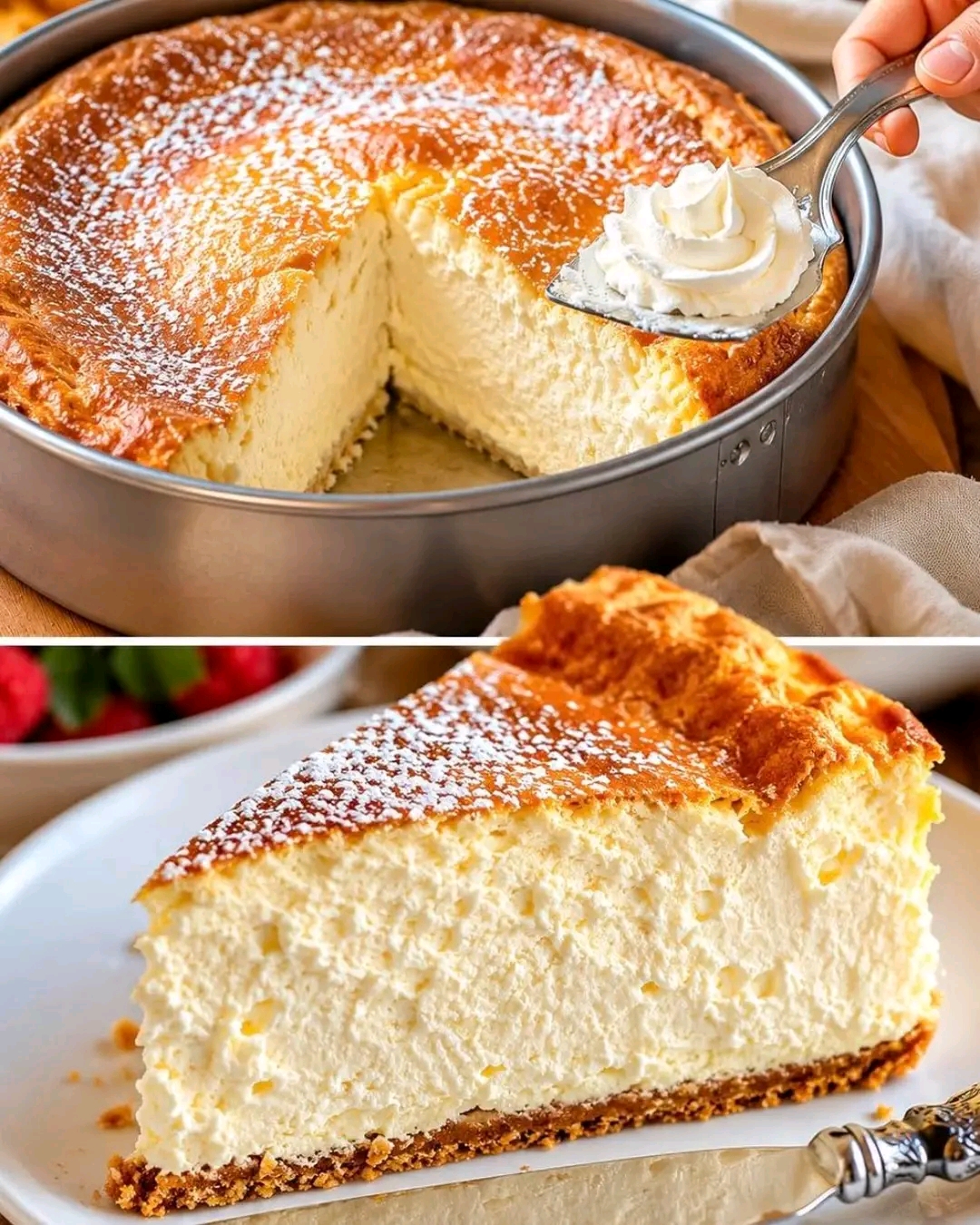
German Cheesecake with Vanilla Pudding – Incredibly Creamy and Easy to Bake
### Introduction
If you love rich, creamy desserts with a delicate vanilla aroma, this German cheesecake with vanilla pudding is sure to become a favorite. Known as Käsekuchen mit Vanillepudding in Germany, this delightful cake combines a smooth, velvety cheesecake filling with the comforting sweetness of vanilla and a tender, buttery crust.
Unlike traditional American cheesecake, German cheesecake is often made with quark or other fresh cheeses, giving it a lighter, slightly tangy flavor. Adding vanilla pudding powder creates an especially creamy consistency and helps the filling hold together beautifully.
Perfect for afternoon coffee, family gatherings, birthdays, or weekend baking, this easy cheesecake is a wonderful homemade dessert that tastes as if it came straight from a German bakery.
Preparation Time: 20 minutes Baking Time: 55–65 minutes Cooling Time: 2 hours Total Time: Approximately 3 hours and 25 minutes Servings: 12 slices
### Origin
German cheesecake, or Käsekuchen, has a long history in European baking. Traditional versions are often prepared with quark, a fresh dairy product widely used in German-speaking countries.
Unlike cream cheese-based cheesecakes common in the United States, German Käsekuchen traditionally has a lighter texture and a pleasantly mild tang.
Over generations, home bakers have developed many variations, incorporating ingredients such as vanilla, lemon zest, raisins, and pudding powder. Vanilla pudding mix became a particularly convenient addition in modern German home baking because it provides vanilla flavor and helps stabilize the creamy filling.
Today, Käsekuchen mit Vanillepudding is a popular homemade dessert throughout Germany, appreciated for its simplicity, smooth texture, and familiar comforting flavor.
### Cultural Significance
In Germany, cake is more than just a dessert. It is an important part of social traditions, especially the beloved afternoon custom of Kaffee und Kuchen, when friends and family gather over coffee and homemade cake.
German cheesecake frequently appears at family celebrations, birthdays, Sunday gatherings, and festive occasions.
Its creamy filling and simple ingredients reflect the tradition of home baking, where familiar recipes are passed down through generations and adapted to individual tastes.
Vanilla pudding cheesecake is especially appealing because it combines the traditional charm of German cheesecake with a modern shortcut that makes baking easier and more accessible.
A homemade Käsekuchen brings warmth to the table and creates an opportunity to share something delicious with loved ones.
### Ingredients Quantity
For the buttery crust:
* 200 g (1⅔ cups) all-purpose flour.
* 75 g (⅓ cup plus 1 tablespoon) granulated sugar.
* 100 g (7 tablespoons) cold unsalted butter, cubed.
* 1 large egg.
* 1 teaspoon vanilla extract.
* 1 teaspoon baking powder.
* 1 pinch of salt.
For the creamy vanilla pudding cheesecake filling:
* 750 g (about 3⅓ cups) quark or thick, well-drained plain fromage blanc.
* 150 g (¾ cup) granulated sugar.
* 2 packets vanilla pudding powder, approximately 80 g total, preferably the type intended for cooking.
* 3 large eggs.
* 200 ml (¾ cup plus 1 tablespoon) milk.
* 200 g (¾ cup plus 1 tablespoon) sour cream.
* 100 ml (⅓ cup plus 1 tablespoon) neutral vegetable oil.
* 1 teaspoon vanilla extract.
* 1 tablespoon lemon juice.
* 1 teaspoon finely grated lemon zest, optional.
### Optional Additions
Customize your cheesecake with these delicious extras:
* Raisins: Add 50 g (⅓ cup) raisins for a traditional German-style variation.
* Fresh berries: Fold in a handful of blueberries or raspberries for fruity flavor.
* White chocolate: Add 50 g of finely chopped white chocolate for extra sweetness.
* Almond flavor: Add ½ teaspoon almond extract for a delicate nutty aroma.
* Cinnamon: Sprinkle a little cinnamon into the crust for a warm flavor.
* Lemon zest: Increase the lemon zest for a brighter, fresher filling.
* Crumble topping: Sprinkle buttery streusel over the filling before baking for a delicious contrast in texture.
* Fruit layer: Spread a thin layer of cherries or drained mandarin oranges over the crust before adding the filling.
### Tips for Success
* Use thick dairy ingredients: If using quark or fromage blanc, choose a thick variety. Excess moisture can make the cheesecake too soft.
* Bring ingredients to room temperature: Eggs and dairy ingredients blend more smoothly when they are not refrigerator-cold.
* Mix gently: Avoid excessive beating, which can introduce too much air and cause the cheesecake to rise and crack.
* Prepare the pan properly: Use a 24–26 cm (9½–10 inch) springform pan lined with parchment paper on the bottom.
* Do not overbake: The center should have a slight wobble when the cake is finished baking. It will firm up as it cools.
* Avoid sudden temperature changes: Let the cake cool gradually in the turned-off oven with the door slightly open.
* Chill before slicing: Refrigerate the cheesecake for at least 2 hours, preferably longer, to achieve clean slices and a firm, creamy texture.
* Use the right pudding powder: Choose unsweetened cooking vanilla pudding powder rather than instant pudding mix, unless the recipe is adjusted specifically for it.
### Instructions
Step 1: Prepare the oven and pan.
Preheat the oven to 175°C (350°F), using conventional top and bottom heat.
Grease a 24–26 cm (9½–10 inch) springform pan and line the bottom with parchment paper.
Step 2: Make the crust.
In a large mixing bowl, combine the flour, sugar, baking powder, and salt.
Add the cold butter, egg, and vanilla extract. Mix until a soft dough forms.
Press the dough evenly into the bottom of the prepared springform pan. If desired, press it slightly up the sides to create a shallow crust.
Prick the base lightly with a fork.
Step 3: Prepare the cheesecake filling.
In a large bowl, combine the quark, sugar, eggs, sour cream, oil, milk, vanilla extract, and lemon juice.
Mix gently until smooth and creamy.
Add the vanilla pudding powder and whisk until fully incorporated. Make sure there are no visible lumps.
Step 4: Assemble the cheesecake.
Pour the creamy vanilla filling over the prepared crust.
Gently smooth the surface with a spatula to distribute the filling evenly.
Step 5: Bake until set.
Place the cheesecake on the middle rack of the preheated oven.
Bake for 55–65 minutes, or until the edges are set and lightly golden while the center still has a slight wobble.
If the top browns too quickly, loosely cover it with aluminum foil.
Step 6: Cool gradually.
Turn off the oven and leave the cheesecake inside for approximately 15–20 minutes with the oven door slightly open.
Remove the cake and let it cool completely in the pan at room temperature.
Step 7: Refrigerate.
Once the cheesecake has cooled, cover it and refrigerate for at least 2 hours.
For the best texture and flavor, chill it overnight.
Step 8: Slice and serve.
Carefully release the springform pan. Cut the cheesecake into slices using a sharp knife, wiping the blade between cuts.
Serve plain or garnish with fresh berries, a dusting of powdered sugar, or a little whipped cream.
### Description
German cheesecake with vanilla pudding is a wonderfully creamy dessert with a soft, delicate filling and a tender, buttery crust.
The quark provides a mild tang that balances the sweetness of the sugar and the rich aroma of vanilla. Vanilla pudding powder gives the filling its smooth, custard-like consistency, creating a dessert that is both satisfying and light in texture.
Each slice offers a beautiful contrast between the slightly crumbly crust and the silky cheesecake filling.
Whether served with a cup of coffee or presented as the centerpiece of a dessert table, this cake is an irresistible treat for anyone who appreciates classic homemade baking.
### Nutritional Information
Estimated nutritional values per slice, based on 12 servings.
* Calories: 360 kcal
* Protein: 11 g
* Carbohydrates: 42 g
* Fat: 17 g
* Saturated Fat: 9 g
* Fiber: 1 g
* Sugar: 25 g
* Sodium: 190 mg
These values are approximate and may vary depending on the type of quark, pudding powder, dairy products, and crust thickness used.
### Conclusion
This creamy German cheesecake with vanilla pudding is a delicious combination of traditional European baking and convenient modern ingredients.
Its velvety filling, gentle vanilla flavor, and buttery crust make it an excellent dessert for both everyday enjoyment and special occasions.
With straightforward preparation and simple ingredients, this recipe proves that creating a bakery-worthy cheesecake at home does not have to be complicated.
Prepare it for a family gathering, a weekend coffee break, or whenever a homemade dessert is needed to make the day a little sweeter.
### Recommendation
For the ultimate German coffee-and-cake experience, serve this cheesecake with freshly brewed coffee, black tea, or a cup of espresso.
Pair it with fresh strawberries, raspberries, or a homemade berry sauce for a refreshing contrast to the creamy filling.
If you prefer a more indulgent dessert, add a spoonful of lightly sweetened whipped cream or a drizzle of melted dark chocolate.
This cheesecake is also an excellent make-ahead dessert. Preparing it the day before serving allows the filling to set completely and the vanilla flavor to develop.
Store leftovers covered in the refrigerator for up to 3–4 days.
### Embracing Healthful Indulgence
Enjoying a delicious homemade cheesecake can be part of a balanced lifestyle. With a few thoughtful ingredient adjustments, this traditional dessert can be adapted to suit different preferences while preserving its creamy texture and satisfying flavor.
Consider these options for a lighter variation:
* Reduce the sugar: Lower the sugar in the filling to 100–120 g, adjusting to your preferred sweetness.
* Choose lower-fat dairy: Use reduced-fat quark or fromage blanc and light sour cream to reduce the fat content.
* Make a crustless version: Skip the buttery crust and pour the filling into a well-lined springform pan for a simpler, lower-calorie alternative.
* Use fresh fruit: Serve with fresh berries instead of sugary sauces or heavy toppings.
* Experiment with alternative sweeteners: A suitable baking sweetener may replace some or all of the sugar, although texture and flavor can vary.
* Enjoy moderate portions: A smaller slice alongside fresh fruit can be a satisfying way to enjoy dessert.
For those avoiding white flour, the crust can be adapted using finely ground oats or almond flour, although the texture and proportions will need adjustment. The pudding powder should also be checked for its ingredients, since many varieties contain cornstarch.
A health-conscious approach to baking does not mean giving up the pleasure of traditional desserts. It means choosing ingredients thoughtfully, enjoying satisfying portions, and making room for foods that bring happiness.
This German vanilla pudding cheesecake is a lovely reminder that homemade treats can be both comforting and adaptable, making every shared slice a little celebration.