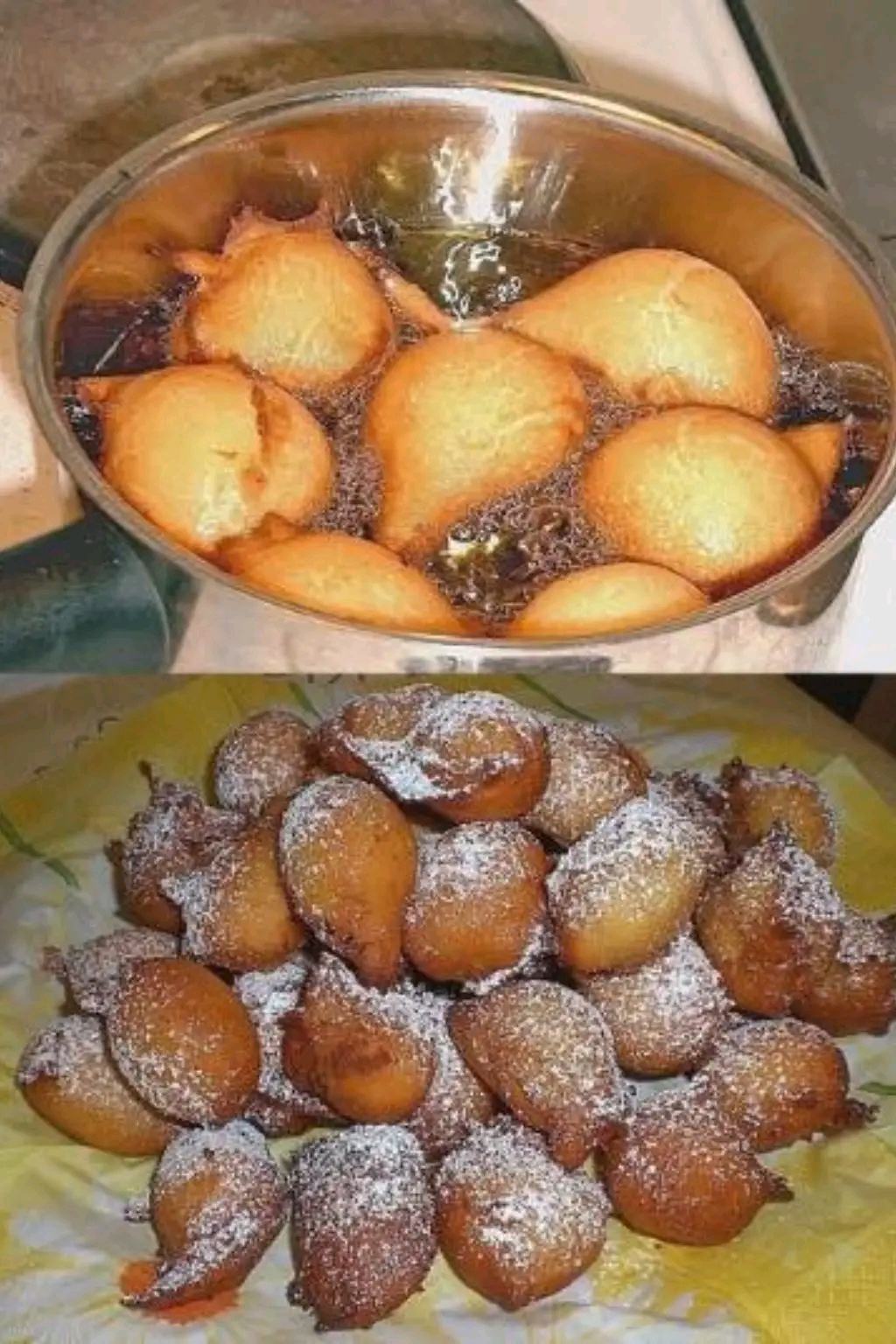
Old-Fashioned German Quark Fritters Without Yeast
Introduction
Omas Quark-Mutzen are a beloved German-style treat made with quark, eggs, flour, and a few simple baking ingredients. Unlike traditional yeast-based doughnuts, these little fritters require no yeast or lengthy rising time. The result is a wonderfully tender interior with a lightly crisp, golden exterior.
Perfect for a cozy afternoon coffee, Carnival celebrations, or whenever you want a quick homemade sweet treat, these Quark-Mutzen bring the comforting flavor of old-fashioned German baking straight to the table.
Origin
Quark-Mutzen belong to the family of traditional German fried pastries known as Mutzen or Mutzenmandeln, although recipes vary considerably by region and household. They are especially associated with Karneval (Carnival/Fasching), when fried pastries and other rich treats are commonly prepared before Lent.
The use of quark gives this version its characteristic moist, soft texture while eliminating the need for a yeast-based dough.
Cultural Significance
In many German households, recipes like Quark-Mutzen are closely connected with family traditions and seasonal celebrations. The phrase “Omas Rezept” often evokes the idea of simple ingredients, homemade preparation, and recipes passed from one generation to the next.
These fritters are particularly fitting for Carnival gatherings, where freshly fried pastries are often served alongside coffee, tea, or other festive treats.
Ingredients Quantity
Makes: approximately 25–30 small fritters
Prep Time: 20 minutes
Cook Time: 20–25 minutes
Total Time: about 45 minutes
250 g (8.8 oz) quark
2 large eggs
80 g (⅓ cup) granulated sugar
1 packet vanilla sugar or 1 teaspoon vanilla extract
300 g (2½ cups) all-purpose flour
2 teaspoons baking powder
1 pinch salt
1 tablespoon lemon zest, optional
Vegetable oil, for deep-frying
Powdered sugar, for dusting
Optional Additions
For a little variation, you can add:
1 teaspoon ground cinnamon
A little grated orange zest
1–2 tablespoons rum, if desired
Raisins or finely chopped dried fruit
A small handful of finely chopped almonds
Cinnamon sugar instead of powdered sugar for coating
Tips for Success
Use thick quark: If your quark is very watery, drain it briefly so the dough doesn’t become too loose.
Don’t overmix: Mix just until the ingredients form a soft dough. Overworking it can make the fritters heavier.
Keep the oil at about 170–175°C (340–350°F): If the oil is too hot, the outside can brown before the center cooks.
Fry in small batches: Crowding the pot lowers the oil temperature and can make the fritters greasy.
Use two spoons: The dough is soft and sticky, so dropping small portions into the oil with two lightly oiled spoons works beautifully.
Drain well: Place the finished Mutzen on paper towels or a wire rack immediately after frying.
Dust just before serving: Powdered sugar looks and tastes best when added while the fritters are still slightly warm.
Instructions
1. Prepare the dough: In a large bowl, whisk together the quark, eggs, sugar, vanilla, and salt until smooth.
2. Add the dry ingredients: Mix the flour and baking powder together, then gradually add them to the quark mixture. Stir until a soft, slightly sticky dough forms.
3. Heat the oil: Pour enough neutral vegetable oil into a deep, heavy pot for safe frying. Heat it to approximately 170–175°C (340–350°F).
4. Shape the fritters: Using two spoons, scoop small portions of dough and carefully drop them into the hot oil.
5. Fry until golden: Cook the Mutzen for several minutes, turning them as needed, until puffed and evenly golden brown. Avoid making them too large, as the centers need time to cook.
6. Drain: Remove with a slotted spoon and place on a rack or paper towels to remove excess oil.
7. Finish: While still warm, generously dust with powdered sugar or toss gently in cinnamon sugar.
8. Serve: Enjoy warm or at room temperature with coffee, tea, or hot chocolate.
Description
These Omas Quark-Mutzen are wonderfully soft, fluffy, and lightly crisp on the outside. The quark gives them a tender texture and subtle richness, while vanilla and sugar provide a classic homemade sweetness.
They are especially delicious fresh from the fryer when the exterior is golden and crisp and the inside remains warm and delicate.
Nutritional Information
Approximate nutrition per fritter, assuming 28 fritters and excluding the powdered sugar:
Calories: 90–110 kcal
Protein: 2–3 g
Carbohydrates: 12–15 g
Fat: 4–6 g
Sugar: 3–4 g
Actual values vary depending on the amount of oil absorbed during frying, the type of quark used, and the final size of each fritter.
Conclusion
Omas Quark-Mutzen prove that delicious homemade treats don’t need complicated doughs or hours of preparation. With no yeast and only a handful of everyday ingredients, you can make a batch of golden, tender German fritters that taste wonderfully nostalgic.
Recommendation
Serve them freshly dusted with powdered sugar alongside a cup of coffee or tea. For a festive German-inspired dessert table, pair them with other traditional pastries and fruit preserves.
For a lighter variation, make the fritters smaller and use only a light dusting of powdered sugar.
Embracing Healthful Indulgence
A traditional fried pastry is naturally an indulgence, but enjoying it mindfully can still fit into a balanced approach to eating. Using quark provides some protein, while making smaller fritters helps with portion control.
For a lighter homemade version, you can experiment with air-frying or baking, although the texture will be different from the classic deep-fried preparation. You can also reduce the added sugar and rely on vanilla, citrus zest, or cinnamon for extra flavor.