The Ultimate Mediterranean Zeytoon Parvardeh Authentic Persian Marinated Olives Recipe
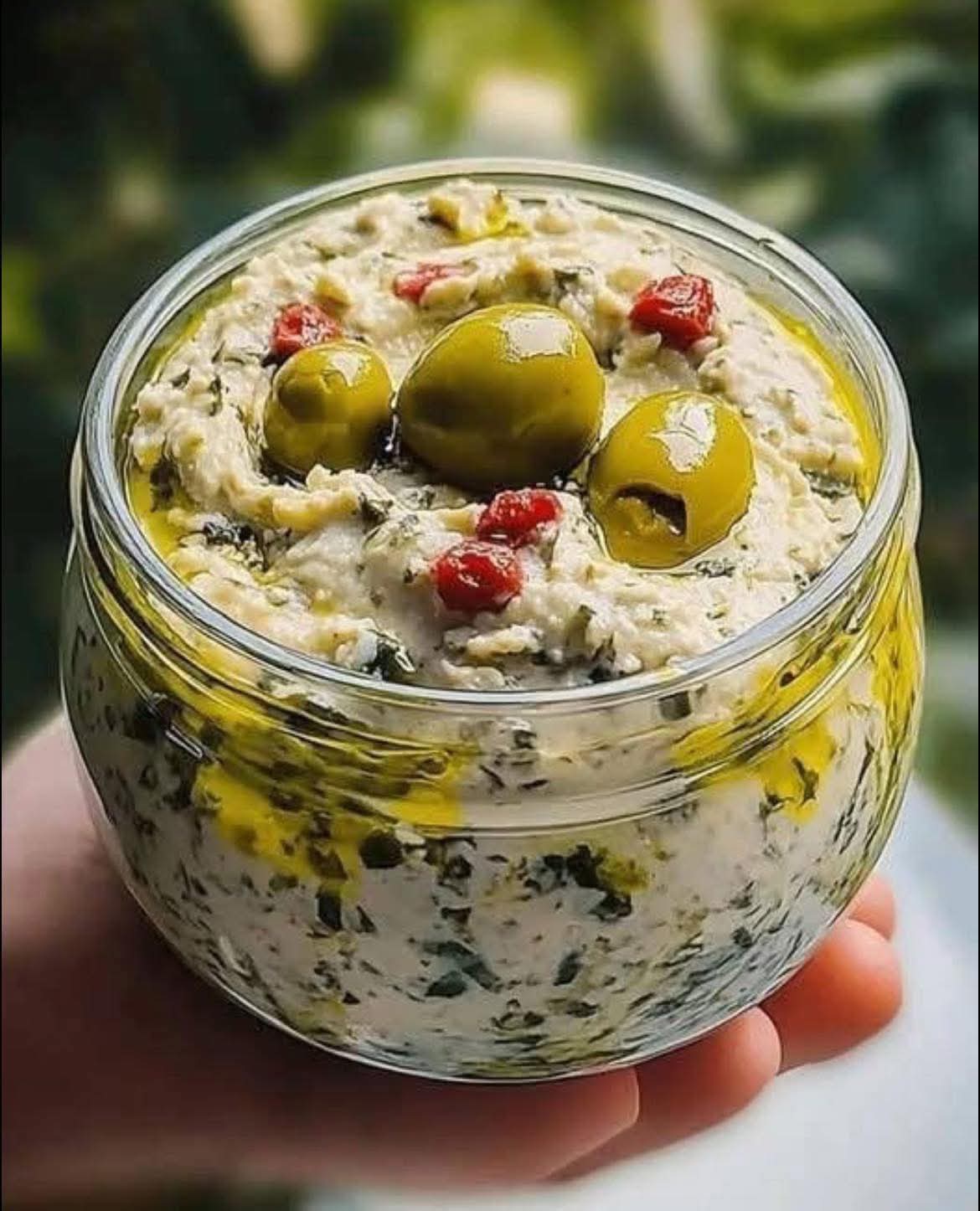
When it comes to the rich culinary traditions of the Middle East, few regions manage to combine contrast, texture, and bright herbal flavors quite like Persian cuisine. Among its most celebrated appetizers and side dishes stands Zeytoon Parvardeh, an incredible marinated olive delicacy originating from the lush, green Gilan province in northern Iran. As perfectly captured in the image 1000005943.jpg, this traditional dish elevates simple table olives into a luxurious, deeply flavorful tapenade-like spread. It features a thick, robust marinating paste made of crushed walnuts, tangy pomegranate molasses, fresh herbs, and fragrant garlic, all pooling with premium olive oil.
The beauty of Zeytoon Parvardeh lies in its perfect balance of opposing flavor profiles: the brine of the olives, the earthy richness of the walnuts, the sharp bite of garlic, and the deep, fruity sourness of pomegranate. Rather than just serving a simple bowl of plain olives, preparing this traditional marinated version turns an everyday snack into a complex, gourmet experience that pairs wonderfully with main courses or stands alone on a mezze platter. In this comprehensive guide, we will explore the history of this Northern Persian specialty, break down the essential ingredients, walk through step-by-step instructions, and share expert tips for creating a flawless batch right at home.
The Cultural Heritage of Persian Marinated Olives
To fully appreciate the flavor profile of Zeytoon Parvardeh, it helps to understand its geographic roots. The Gilan province of Iran, nestled between the Alborz mountains and the Caspian Sea, boasts a unique subtropical climate that yields an abundance of fresh green herbs, wild pomegranates, and expansive walnut groves. This unique ecosystem heavily heavily influences the region’s culinary style, which is characterized by sour, nutty, and intensely herbaceous flavor profiles.
Traditionally, Zeytoon Parvardeh is served as a Chasni (a condiment or side dish) alongside iconic northern Persian rice and grilled kebab dishes. The bright acidity of the marinated olives cuts through the rich fats of grilled meats, cleansing the palate between every bite. Over centuries, this regional specialty has spread from northern kitchens to dining tables worldwide, recognized by food enthusiasts as one of the most unique and addictive ways to prepare olives ever created.
Essential Ingredients for Authentic Zeytoon Parvardeh
Achieving the perfect texture and deep flavor profile relies entirely on sourcing the correct components. As demonstrated in the visual presentation 1000005943.jpg, the final dish should have a thick, creamy texture where the crushed nuts and herbs closely hug each olive.
High-Quality Green Olives
The star of the show is the olive base. You will want to use pitted, firm green olives with a mild to medium brine. Traditional Persian recipes utilize small, slightly bitter green olives native to the region, but pitted Castelvetrano or Manzanilla olives make fantastic, easily accessible substitutes. Avoid using pre-stuffed olives or varieties heavily seasoned with unrelated spices, as they will compete with the delicate flavors of the homemade marinade.
Raw Walnuts
Walnuts provide the essential body, creamy structure, and rich earthiness to the marinating paste. They must be finely ground or crushed to a paste-like consistency, yet still retain a tiny bit of textural crumb. When combined with liquid elements, the natural oils in the walnuts emulsify into a rich, thick sauce that perfectly coats the smooth exterior of the green olives.
Pomegranate Molasses and Seeds
Pomegranate molasses—a thick, deeply reduced pomegranate juice syrup—gives the dish its distinctive tangy profile and a dark, beautiful hue. Look for a brand that is purely sour and sweet without added sugars to keep the flavor profile strictly authentic. To finish the dish, a handful of fresh, ruby-red pomegranate seeds are folded in, providing a beautiful color contrast and an explosion of sweet juice with every bite, as seen scattered across the top in 1000005943.jpg.
Fresh Herbs and Garlic
Authentic northern Iranian recipes require a unique wild herb called Choochagh. Because this herb is difficult to find outside of the Caspian region, a fresh combination of spearmint, flat-leaf Italian parsley, and a touch of fresh cilantro perfectly mimics its bright, aromatic essence. Grated or finely minced fresh garlic is also essential, adding an energetic, pungent contrast to the sweet and sour pomegranate glaze.
Step-by-Step Preparation Guide
Making this appetizer is incredibly simple, requiring zero cooking time. The key is allowing the ingredients ample time to sit, interact, and develop a deep harmony before serving.
Step 1: Prepping and Rinsing the Olives
Start by draining your pitted green olives from their original packaging liquid. Taste one olive to evaluate its salt levels. If the olives are exceptionally salty or sour, place them in a bowl of cold filtered water to soak for 15 to 20 minutes, then drain thoroughly. Pat the olives completely dry with a clean kitchen towel. Ensuring the olives are dry prevents any excess water from thinning out your rich marinade paste.
Step 2: Grinding the Walnuts and Herbs
In a food processor, place your raw walnuts and pulse until they are finely ground, resembling a coarse sand texture. Be careful not to over-process them into a completely wet walnut butter. Transfer the nuts to a large mixing bowl. Next, finely mince your fresh mint, parsley, and cilantro. Grate your fresh garlic cloves using a microplane directly into the bowl with the walnuts and herbs.
Step 3: Emulsifying the Marinade
To the walnut and herb mixture, add a generous pour of premium extra virgin olive oil and several tablespoons of your pomegranate molasses. Using a sturdy spoon, stir the mixture vigorously. The ground walnuts will begin absorbing the liquids, transforming the ingredients into a thick, dark green and purple variegated paste that smells intensely fresh and aromatic.
Step 4: Marinating and Chilling
Pour your dried green olives into the bowl with the marinade paste. Fold the mixture gently until every single olive is completely coated and the hollow interiors of the pitted olives are filled with the walnut mixture. Cover the bowl tightly with plastic wrap and place it into the refrigerator for at least 4 to 6 hours—ideally overnight. This resting period is critical, as it allows the olives to absorb the garlic and pomegranate oils deeply into their flesh.
Expert Tips for the Ultimate Flavor and Texture
To ensure your homemade Zeytoon Parvardeh matches the incredible quality and stunning aesthetics seen in 1000005943.jpg, follow these professional culinary tips:
- Control the Consistency: If your marinating paste feels too thick or chalky due to the walnuts, do not add water. Instead, gradually drizzle in more extra virgin olive oil or an extra splash of pomegranate molasses until it reaches a smooth, glistening glaze.
- Garnish with Intention: When transferring the dish to a clear glass serving jar or bowl, create shallow swirls on the surface. Drizzle a final thin layer of bright yellow olive oil into the crevices and scatter fresh pomegranate seeds and a few whole olives on top for a beautiful, appetizing presentation like the one modeled in 1000005943.jpg.
- Serve at Room Temperature: While the dish must marinate and store in the refrigerator, always pull it out about 20 to 30 minutes before serving. Cold temperature solidifies premium olive oils and dampens the complex flavors of the garlic and walnuts. Serving it slightly warm or at room temperature unlocks its full aromatic potential.
Creative Variations and Serving Suggestions
While this dish shines brightest as a traditional Persian accompaniment, its unique flavor profile makes it highly versatile for modern culinary applications.
The Ultimate Charcuterie Board Addition
Move over plain olives and standard tapenades. Placing a glass jar of Zeytoon Parvardeh onto a cheese board adds an incredible conversation piece. The earthy, sour profile of the marinated walnuts pairs exquisitely with creamy goat cheeses, sharp aged cheddars, toasted pita chips, and cured meats.
A Vibrant Sandwich Spread
Because the walnut paste acts as a thick binder, any leftover marinade can be used as an incredible spread for wraps and sandwiches. Spread it generously onto warm flatbread, add grilled chicken, roasted eggplant, or fresh feta cheese, and roll it up for an intensely flavorful, Mediterranean-inspired lunch.
How to Correctly Store Your Leftovers
Thanks to the natural preservative qualities of extra virgin olive oil, salt from the olives, and the high acidity of pomegranate molasses, Zeytoon Parvardeh stores beautifully. Pack any leftovers tightly into a clean glass jar, ensuring the top surface is lightly covered with a thin layer of olive oil to prevent air exposure. Store in the refrigerator for up to two weeks. The flavors will continue to deepen and intensify over time, making your leftovers taste even more spectacular than day one.
Conclusion
The Persian Marinated Olives dish, Zeytoon Parvardeh, is a masterful example of how everyday ingredients can be elevated through thoughtful culinary combinations. By surrounding simple green olives with an earthy, vibrant network of ground walnuts, fresh herbs, and tangy pomegranate molasses, you create a side dish that transcends the ordinary. It represents the perfect harmony of northern Iranian hospitality—bold, fresh, and deeply memorable. Prepare a jar of this effortless, no-cook luxury this week, and introduce your kitchen to a truly celestial flavor experience.