The Ultimate Guide to Hawaiian Pineapple Chicken Foil Packets Fast Flavorful and Easy to Clean
Busy weeknights demand dinner solutions that are quick to prepare, incredibly delicious, and require minimal cleanup. Enter the world of foil packet cooking, a culinary technique that handles all three requirements beautifully. Among the vast array of packet meals, Hawaiian Pineapple Chicken Foil Packets stand out as an exceptional option. This dish perfectly marries the sweet, tropical brightness of ripe pineapple with savory, tender chicken breast and crisp summer vegetables, all seasoned to perfection in a sticky glaze.
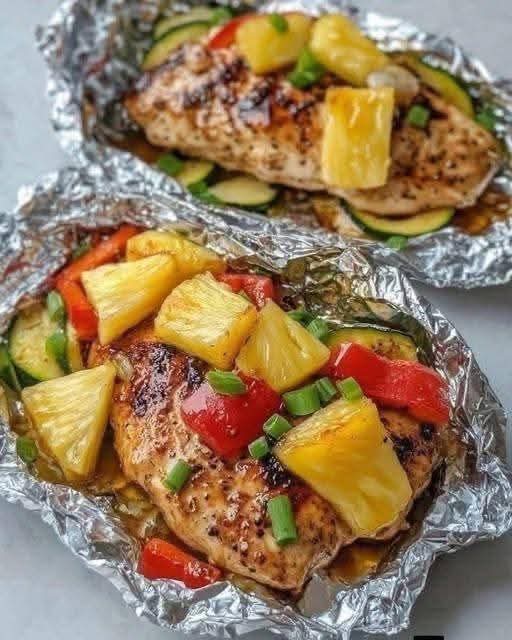
The beauty of cooking inside a sealed pouch is the natural moisture control. As the packet heats up in the oven or on the grill, the chicken braises in its own juices along with the pineapple, keeping it remarkably tender and moist while locking in the flavors of the sauce. As beautifully showcased in the culinary presentation file 1000005862.jpg, these vibrant, single-serve packets hold their structure perfectly, revealing a colorful, restaurant-quality meal served right out of the foil. This comprehensive guide will explore the food science behind foil packet cooking, help you select the best ingredients, and provide an optimized, step-by-step recipe to achieve this sweet and savory tropical favorite in your own kitchen.
The Culinary Science of Foil Packet Cooking
To understand why foil packet cooking (traditionally known in French cuisine as cooking en papillote) is so effective, it helps to examine the basic mechanics of heat transfer within a sealed pouch. This method fundamentally changes how proteins and vegetables interact during the cooking process.
The Power of Steaming and Braising Simultaneously
When you seal chicken, vegetables, and sauce inside a heavy-duty sheet of aluminum foil, you create an airtight micro-environment. As the oven or grill applies external heat, the moisture locked within the ingredients—especially the high water content of pineapple, zucchini, and bell peppers—vaporizes into clean steam. Because the steam cannot escape, it circulates rapidly within the pouch, cooking the food evenly from all sides. Simultaneously, the chicken breast sits in a concentrated pool of seasoned juices and caramelized pineapple sugars, essentially braising the lower half of the meat. This dual-action process guarantees that your lean white meat chicken remains exceptionally juicy and tender, completely eliminating the dry, rubbery texture that often plagues baked chicken breasts.
Achieving Maximum Flavor Infusion
In standard pan-searing or roasting, a significant amount of flavor compounds and volatile aromatics escape into the air or evaporate off the pan. Inside a foil packet, every single molecule of flavor is trapped. The natural bromelain enzymes present in the fresh pineapple juices trickle down onto the chicken breast, acting as a gentle, natural tenderizer that helps break down dense meat fibers. Meanwhile, the rich, savory umami notes of soy sauce, garlic, and ginger permeate deep into the cellular structure of both the protein and the surrounding vegetables, resulting in a cohesive, intensely flavored bite from top to bottom.
Unmatched Portion Control and Meal Customization
Foil packet cooking is an absolute game-changer for households with diverse dietary needs or varying flavor preferences. Because each pouch is assembled individually, as demonstrated in file 1000005862.jpg, you can seamlessly tailor every single portion. If one family member prefers an extra kick of heat, you can easily toss additional red pepper flakes or sliced jalapeños into their packet. For those managing carbohydrate intake, the sugar-dense pineapple can be adjusted down, or the vegetable ratios can be shifted to feature more low-starch options like zucchini and bell peppers without altering the overall cooking time of the meal.
Deep Dive into the Nutritional Benefits of Tropical Packet Meals
Beyond its outstanding flavor profile and sheer convenience, this Hawaiian-inspired dish serves as a highly nutritious, macro-balanced option for fitness enthusiasts and health-conscious families alike.
High-Quality, Lean Protein for Muscle Maintenance
The foundation of this recipe relies on lean, skinless chicken breast, which is widely recognized as one of the most texturally versatile and nutritionally dense sources of animal protein available. Chicken breast provides a high concentration of complete biological proteins while remaining exceptionally low in saturated fats and carbohydrates. Consuming adequate levels of clean protein is vital for cellular repair, immune system stability, and muscle tissue preservation. Because this meal satisfies protein requirements efficiently, it encourages long-term satiety, helping you feel comfortably full and energized throughout the evening.
The Immune-Boosting Benefits of Pineapple and Bell Peppers
The colorful produce packed into this recipe provides a massive dose of essential micronutrients and protective antioxidants. Ripe pineapple is an exceptional source of Vitamin C and manganese, which support structural collagen production, skin health, and bone density. Furthermore, sweet red bell peppers deliver more Vitamin C per ounce than standard citrus fruits, alongside a wealth of beta-carotene. These vitamins act as potent antioxidants that neutralize environmental free radicals, reduce cellular oxidative stress, and reinforce your body’s natural immune defense mechanisms.
Keeping Healthy Fats and Sodium in Balance
Traditional restaurant-style teriyaki or sweet-and-sour chicken dishes are frequently loaded with excess refined sugars, heavy seed oils, and high levels of sodium. By preparing this tropical dish at home using clean, whole-food ingredients, you retain absolute control over your nutritional inputs. Utilizing low-sodium tamari or coconut aminos significantly drops the sodium footprint, while a light touch of pure sesame oil introduces heart-healthy polyunsaturated fats and rich, nutty aromatics without overloading the dish with empty calories.
Step-by-Step Recipe: Hawaiian Pineapple Chicken Foil Packets
Creating immaculate, perfectly balanced foil packets requires structured assembly to ensure the vegetables stay crisp-tender and the chicken cooks completely through. This optimized recipe yields four individual, single-serve packets designed to mirror the spectacular presentation shown in file 1000005862.jpg.
Selecting Your Tools and Setting Up
Before chopping your fresh ingredients, ensure you have heavy-duty aluminum foil on hand. Standard foil is thin and highly prone to tearing when folded or flipped, which can cause precious savory juices to leak out onto your oven racks or grill grates. Heavy-duty aluminum foil provides a thick, sturdy barrier that retains its structural integrity beautifully throughout the entire high-heat baking process.
Ingredients for the Stir-Fry Base:
- 4 medium boneless, skinless chicken breasts (approx. 6 ounces each)
- 2 cups fresh pineapple chunks (cut into uniform pieces)
- 1 large zucchini, sliced into half-moons
- 1 medium red bell pepper, chopped into 1-inch squares
- 1 medium orange bell pepper, chopped into 1-inch squares
- 3 green onions (scallions), thinly sliced for garnish
Ingredients for the Sweet & Savory Glaze: - 1/3 cup low-sodium soy sauce or coconut aminos
- 2 tablespoons pure honey or maple syrup
- 2 tablespoons fresh pineapple juice
- 1 tablespoon toasted sesame oil
- 2 cloves garlic, finely minced
- 1 teaspoon fresh ginger, finely grated
- 1 teaspoon cornstarch (for natural thickening)
- 1/2 teaspoon red pepper flakes (optional for a touch of heat)
Instructions:
- Preheat the Cooking Station: Preheat your home oven to 400°F (205°C). If you are preparing this meal on an outdoor barbecue, preheat your grill to medium-high heat (approximately 400°F). Line a large, rimmed baking sheet with a silicone mat or parchment paper just in case any sugar caramelized during the bake escapes.
- Whisk the Island Glaze: In a small mixing bowl, combine the low-sodium soy sauce, honey, fresh pineapple juice, toasted sesame oil, minced garlic, grated ginger, and optional red pepper flakes. Whisk the ingredients vigorously. Add the teaspoon of cornstarch and stir until completely dissolved; this ensures the sauce thickens into a glossy glaze as it steams inside the packet.
- Prepare the Foil Sheets: Tear off four large sheets of heavy-duty aluminum foil, roughly 12×18 inches each. Lay them flat across your clean countertop or workspace. Lightly mist the center of each foil sheet with an olive oil or avocado oil cooking spray to prevent the vegetables from sticking to the metal during caramelization.
- Layer the Ingredients: Divide your sliced zucchini, red bell pepper, and orange bell pepper evenly among the four sheets, placing them directly in the center of each foil square. Season the vegetable bed lightly with a tiny pinch of sea salt. Place one chicken breast directly on top of each vegetable mound. Scatter the fresh sweet pineapple chunks generously over and around the chicken breasts, recreating the beautiful plating layout seen in file 1000005862.jpg.
- Drizzle and Infuse: Stir your prepared glaze once more to ensure the cornstarch hasn’t settled to the bottom. Spoon approximately 2 to 3 tablespoons of the savory glaze directly over the chicken and pineapple on each packet, allowing the liquid to cascade down through the layers of fresh vegetables.
- Seal the Packets securely: Bring the two long edges of the aluminum foil together over the center of the chicken. Fold them down tightly in a series of 1/2-inch folds until the foil sits snugly against the food. Next, roll and crimp the remaining two open ends of the foil securely inward to form a completely airtight, leak-proof pouch. Leave a tiny bit of headspace inside the top of the packet so the steam has room to expand safely.
- The Baking Process: Arrange the four sealed packets in a single layer on your prepared baking sheet. Place the sheet into the center rack of your preheated oven. Bake at 400°F (205°C) for 22 to 25 minutes. If cooking on an outdoor grill, place the packets directly onto the grill grates, close the lid, and cook over medium-high heat for 20 to 22 minutes. The chicken is cooked safely through when it reaches an internal temperature of 165°F (74°C) on an instant-read digital meat thermometer.
- Garnish and Serve: Carefully remove the packets from the heat. Allow them to rest undisturbed for 3 to 4 minutes. Using tongs or heat-safe oven mitts, slowly unfold the top of the packets, taking extreme caution as hot, concentrated steam will escape instantly. Scatter the freshly sliced green scallions across the top of the bubbling pineapple and glazed chicken, as seen in file 1000005862.jpg, and serve immediately right out of the foil.
Expert Tips for Flawless Foil Packets
While foil packet cooking is highly accessible and straightforward, mastering a few professional techniques can elevate the texture and flavor definition of your finished meal.
How to Prevent Excessive Liquid Pooling
Because fresh vegetables release a significant amount of water when exposed to high heat, you may occasionally find that your packets have a bit too much liquid at the bottom. To prevent this, ensure your vegetables are sliced into reasonably thick, substantial pieces. Thinly shredded vegetables will break down too rapidly, losing their structural integrity and expelling water prematurely. Additionally, utilizing the cornstarch in the glaze recipe acts as a stabilizing agent, binding with the escaping vegetable juices and turning them into a rich, luscious sauce rather than a watery broth.
Mastering the Art of Safe Packet Opening
The hidden danger of foil pouch cooking is the intense steam accumulation. When it is time to serve your meal, never place your face or bare hands directly over the center seam as you pull it open. Always use a pair of long kitchen tongs or the tip of a sharp knife to puncture the side of the foil first, allowing the initial rush of scalding steam to dissipate safely away from your body. Once the pressure settles, you can cleanly open the top flaps to present the beautifully arranged, tropical colors to your dinner guests.
Meal Prepping, Leftover Storage, and Reheating Guidelines
Foil packets are a stellar addition to any weekly meal-prep routine. They can be assembled ahead of time, kept beautifully fresh in the refrigerator, or easily saved as leftovers after they have finished baking.
Advanced Assembly for Busy Schedules
If you want to streamline your weeknight dinner rush, you can completely assemble these Hawaiian pineapple chicken packets up to 24 hours in advance. Chop your vegetables, slice your fresh chicken, and build the foil pouches entirely according to the assembly instructions. Instead of baking them immediately, stack the raw, sealed packets neatly inside a large, airtight container and store them in your refrigerator. When you arrive home after a long day, simply transfer the cold packets directly onto a baking sheet and pop them straight into your preheated oven, adding just 2 to 3 minutes to the standard baking time to account for the chilled starting temperature.
Refrigeration and Proper Reheating Methods
If you have already baked your foil packets and find yourself with leftovers, allow the opened pouches to cool completely to room temperature. Transfer the chicken, tropical pineapple, and vegetables along with any remaining savory glaze into an airtight glass storage container. Leftovers will keep perfectly in the refrigerator for up to 3 days. When you are ready to reheat, avoid the microwave if you want to preserve the crisp texture of the bell peppers and zucchini. Instead, dump the contents back onto a fresh sheet of foil, fold it loosely to retain moisture, and heat it in a 350°F (175°C) oven for 10 to 12 minutes until the chicken is warmed thoroughly to the center.
Creating a Dynamic and Balanced Island Presentation
While these Hawaiian Pineapple Chicken Foil Packets function magnificently as a complete, low-carbohydrate standalone meal, pairing them with the right side dishes can expand your dinner into a beautiful, multi-dimensional feast. To soak up every drop of the delectable garlic-ginger soy glaze that accumulates at the bottom of the foil pouch, consider serving your opened packets over a bed of fluffy, steamed Jasmine rice or traditional coconut rice. For a lighter, lower-glycemic option, a base of riced cauliflower or a side of crisp, chilled Asian slaw tossed in a tangy sesame-rice vinegar dressing provides a phenomenal textural contrast to the warm, sweet pineapple and tender chicken. By balancing the deep, savory umami notes of the glaze with bright, fresh sides, you create an effortless, health-conscious dining experience that celebrates the vibrant flavors of tropical cooking with zero kitchen stress.