The Truth About Garlic Oil for Ear Infections Natural Remedy vs Medical Safety
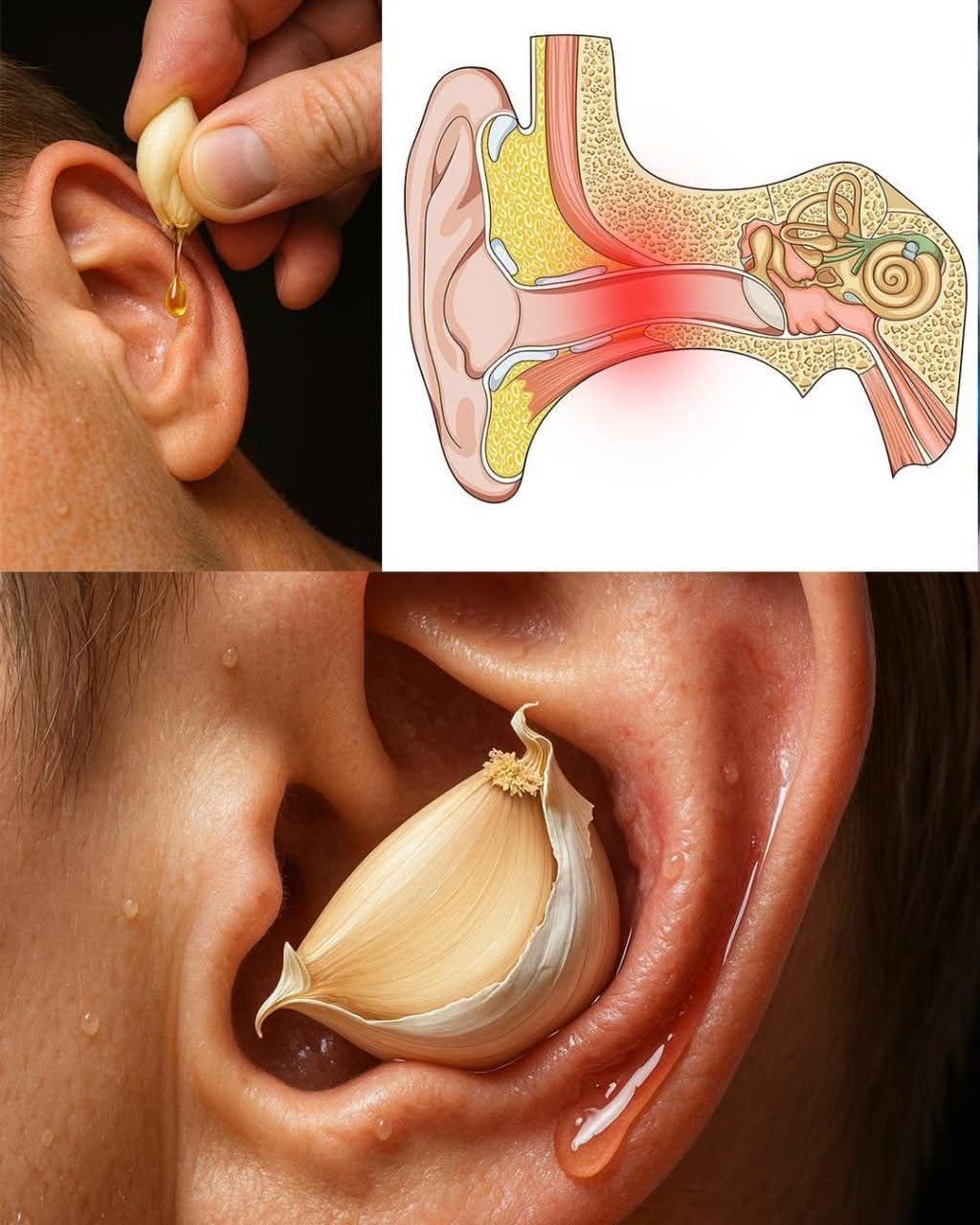
When a sudden, throbbing earache strikes, finding fast and effective relief becomes an absolute priority. Ear pain can be incredibly disruptive, making it difficult to sleep, work, or focus. In the search for rapid comfort, many people turn away from the conventional pharmacy aisle and look instead toward traditional home remedies rooted in natural wellness. Among the most popular and viral folklore treatments circulating on the internet today is the use of garlic. As depicted in the image 1000005667.jpg, these remedies typically involve dropping warm garlic-infused oil directly into the ear canal or placing a whole, peeled garlic clove inside the outer ear structure. The logic behind this practice stems from garlic’s long-standing historical reputation as a powerful natural antibiotic and botanical powerhouse.
However, when dealing with the delicate, complex anatomy of the human auditory system, applying kitchen staples directly to an inflamed area requires careful consideration and extreme caution. While holistic remedies certainly have a valued place in general wellness routines, the ear is an exceptionally sensitive organ. An improper application can lead to severe medical complications. This comprehensive guide will analyze the science behind garlic oil, evaluate the anatomical risks highlighted by modern medicine, and provide clear, actionable instructions on how to support ear health safely. Let us look beyond the internet trends to separate fact from dangerous fiction.
The Botanical Science: Why Garlic Is Revered in Wellness
Garlic (Allium sativum) has been utilized across global traditional wellness systems for thousands of years. From ancient civilizations to heirloom family remedies, this pungent bulb has been trusted to combat various ailments due to its unique chemical composition.
The Power of Allicin
The primary active compound responsible for garlic’s therapeutic reputation is allicin. Allicin is an organosulfur compound that is not actually present in a whole, undisturbed head of garlic. Instead, it is created through a chemical reaction when the cell walls of the garlic clove are mechanically ruptured—such as when a clove is crushed, chopped, or pressed. In laboratory settings, allicin has demonstrated clear, potent antimicrobial, antibacterial, and antifungal properties. It works by disrupting the metabolic processes of certain microorganisms, making it an excellent botanical ally when used appropriately.
Historical Applications in Home Tonics
Because of these verified properties, garlic extracts and oils have historically been used to soothe minor topical skin irritations, support respiratory function when consumed, and act as a general immune-boosting dietary supplement. When infused into a stable carrier fat, such as extra virgin olive oil, garlic creates a warm, aromatic oil that feels deeply comforting when applied to the skin. This long history of successful systemic use is precisely why many well-meaning home cooks assume that transferring the oil into an aching ear canal is a safe, natural next step.
Understanding Ear Anatomy and the Root of the Pain
To understand why putting garlic oil or a whole clove into the ear can be highly problematic, it is necessary to examine the physical structure of the ear itself. The diagram in 1000005667.jpg offers a clear cross-sectional look at the auditory canal, illustrating the pathway leading directly from the external environment to the delicate internal mechanisms of hearing.
Otitis Media vs. Otitis Externa
Ear infections generally fall into two primary categories, depending on where the inflammation is located:
- Otitis Externa (Swimmer’s Ear): This is an infection or inflammation of the external ear canal—the skin-lined tube leading from the outside of your head to your eardrum. It is often caused by moisture remaining trapped in the canal after swimming, creating a breeding ground for bacteria.
- Otitis Media (Middle Ear Infection): This is the most common type of ear infection, particularly in children. It occurs in the middle ear space located behind the eardrum, as indicated by the deep red, inflamed zone in the anatomical drawing of 1000005667.jpg. This area becomes filled with infected fluid or pus when the Eustachian tube becomes blocked due to a cold, allergies, or an upper respiratory infection.
The Barrier Function of the Tympanic Membrane
The critical takeaway from the diagram in 1000005667.jpg is the presence of the tympanic membrane, commonly known as the eardrum. The eardrum acts as a strict physical barrier separating the external ear canal from the fragile middle and inner ear structures. When a person suffers from otitis media, the infection and pressure are trapped deep inside the head behind this membrane. Dropping garlic oil into the outer ear canal cannot physically cross the eardrum to treat an internal infection. The liquid simply pools against the membrane, completely missing the root source of the pain.
The Hidden Dangers of Direct Ear Canal Application
While the visual demonstrations in 1000005667.jpg make the remedy appear straightforward, medical professionals and audiologists strongly advise against introducing homemade oils or solid organic materials directly into the ear canal. The risks involved can permanently damage your hearing health.
The Risk of a Perforated Eardrum
The single greatest danger of applying any fluid to an aching ear is the possibility of an undetected perforated or ruptured eardrum. When fluid and pressure build up in the middle ear during an infection, the eardrum stretches significantly and can develop microscopic tears or a complete rupture to release the pressure. If you drop homemade garlic oil into an ear canal with a torn eardrum, the fluid will instantly leak into the middle ear space. Because home-infused garlic oil is not sterile and often contains microscopic particles, introducing it to the middle ear can cause severe chemical irritation, introduce secondary bacterial infections, and potentially lead to permanent hearing loss or chronic tinnitus.
Skin Irritation, Chemical Burns, and Trapped Moisture
Raw garlic is incredibly potent and contains volatile oils that can be highly caustic to sensitive tissue. The skin lining the inside of the ear canal is exceptionally thin and delicate. Applying an improperly balanced garlic infusion can result in contact dermatitis, painful localized inflammation, or localized chemical burns, exacerbating the pain you are trying to soothe. Furthermore, pooling heavy oils inside an already inflamed ear canal can trap moisture and debris against the skin, worsening cases of swimmer’s ear by preventing the canal from drying out naturally.
The Danger of Placing Whole Cloves in the Ear
The bottom panel of 1000005667.jpg illustrates a whole garlic clove nestled tightly inside the ear. This practice carries a substantial risk of foreign body lodgment. If a small or tapered garlic clove is pushed too deeply into the canal, it can easily become stuck. Attempting to extract it at home with tweezers often pushes the object further inward, risking a direct traumatic puncture of the eardrum. Additionally, organic plant matter contains natural moisture and wild bacteria; leaving a piece of raw vegetation inside a warm, dark, humid ear canal creates an ideal environment for severe bacterial or fungal overgrowths to thrive.
Safe, Evidence-Based Methods for Managing Ear Pain
If you are experiencing the agonizing discomfort of an earache but want to protect your long-term auditory health, skip the kitchen remedies and utilize these safe, medically approved strategies to find relief.
1. Dry External Warmth
Instead of introducing moisture into the canal, apply dry heat to the outside of the ear. Warmth increases localized blood circulation, relaxes tense muscles, and provides an immediate comforting sensation that helps distract the nervous system from the pain.
- The Warm Compress: Soak a clean washcloth in comfortably warm water, wring it out completely until it is barely damp, and hold it against the affected ear for 15 minutes.
- The Dry Heating Pad: Alternatively, wrap a electronic heating pad or a warm hot water bottle in a thick towel and rest your aching ear against it while relaxing on a couch or bed.
2. Over-the-Counter Pain Relief
To address the actual internal inflammation causing the throbbing pressure behind your eardrum, systematic over-the-counter anti-inflammatory medications are highly effective. Nonsteroidal anti-inflammatory drugs (NSAIDs) work throughout the body to block the chemical signals that trigger swelling and pain, providing structural relief where topical drops cannot reach. Always use these medications strictly according to the package instructions.
3. Positional Drainage Support
When sleeping or resting with an ear infection, elevate your head with an extra pillow. Keeping your head elevated uses gravity to naturally encourage the fluid trapped inside the middle ear and Eustachian tubes to drain down into the back of the throat, reducing the painful pressure spikes that often occur when lying completely flat.
When to Seek Immediate Medical Evaluation
Many mild ear irritations can resolve on their own, but certain clinical red flags require a professional evaluation by a doctor or an Ear, Nose, and Throat (ENT) specialist. Do not attempt to manage your symptoms at home if you experience any of the following warning signs:
Red Flag Symptoms to Monitor
- Fluid Drainage: Any noticeable fluid, pus, or blood leaking out of the ear canal is a definitive sign of a ruptured eardrum or a severe external infection that requires immediate medical intervention.
- High Fever: A significant spike in body temperature indicates that your system is actively fighting a systemic infection that may require prescription antibiotic therapy.
- Dizziness or Vertigo: The inner ear controls your body’s balance system. If your earache is accompanied by a spinning sensation, unsteadiness, or nausea, the infection may be impacting deeper auditory structures.
- Sudden Hearing Loss: A noticeable drop in your ability to hear out of the affected ear warrants an urgent professional exam to rule out structural damage.
- Prolonged Symptoms: Any ear pain that intensifies or fails to improve after 48 to 72 hours should be evaluated by a professional to ensure it does not progress into a chronic condition.
Conclusion: Prioritizing Auditory Safety over Trends
Natural remedies and botanical ingredients are wonderful assets for maintaining overall wellness, but understanding their physical limitations is a crucial component of home health safety. As shown by the alarming direct applications modeled in 1000005667.jpg, it can be incredibly easy to misapply a potent ingredient like garlic out of a desire for quick comfort. Because garlic’s beneficial properties cannot cross the physical barrier of an intact eardrum, dropping garlic oil inside the canal provides no therapeutic benefit for internal infections, while exposing you to substantial risks of irritation, secondary infection, or severe eardrum damage.
Protect your hearing by treating your ears with the utmost care. Use systemic pain relief, position your body for proper drainage, and apply soothing, dry external heat to find comfort safely. When an infection is persistent, trust the guidance of trained medical professionals to provide sterile, targeted treatments that preserve your health and peace of mind for years to come.