The Ultimate Guide to Homemade Limoncello A Zero Waste Italian Classic
Few spirits capture the sun-drenched, vibrant essence of Southern Italy quite like a perfectly chilled glass of limoncello. This classic Italian liqueur, known for its striking yellow hue and intensely sweet, citrusy punch, has long been a staple of Mediterranean hospitality. Traditionally served as a digestif after a rich dinner, it offers a refreshing burst of pure lemon flavor that cleanses the palate and warms the soul.
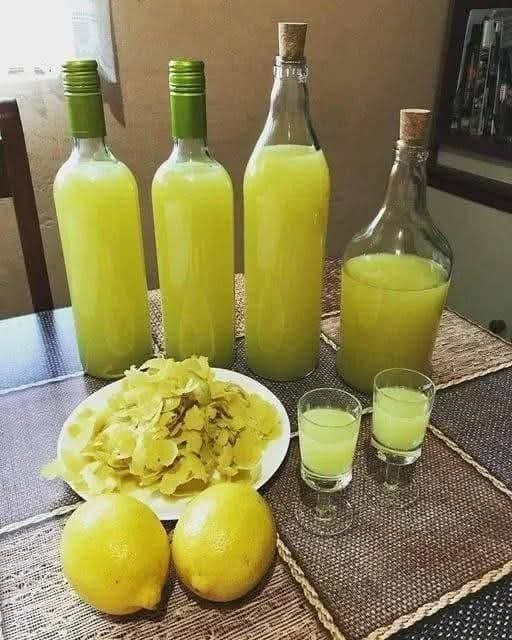
What makes this beverage truly remarkable is its simplicity and its deep connection to sustainable culinary traditions. As beautifully illustrated in the image 1000005627.jpg, creating authentic limoncello is a celebration of zero-waste cooking methods. Instead of relying on artificial flavorings or complicated distilling equipment, this traditional recipe relies entirely on extracting the essential oils trapped within fresh lemon peels. If you have been looking for an intentional, rewarding way to utilize food scraps and elevate your home bartending game, mastering this vibrant liqueur is the perfect place to start.
The Art and Science of Sustainable Limoncello
At its core, limoncello is an exercise in patience and elemental chemistry. The process does not require cooking or brewing; rather, it depends on an extended maceration period during which a high-proof alcohol acts as a solvent to draw out the fragrant, volatile oils locked inside the citrus rind.
By focusing on the rinds, this recipe serves as a brilliant example of zero-waste kitchen practices. Lemon peels are often discarded thoughtlessly after cooking or juicing, yet they contain the highest concentration of limonene—the organic compound responsible for that unmistakably bright, clean citrus aroma. When you steep these peels in alcohol, you are rescuing valuable flavor profiles that would otherwise end up in the compost bin. The remaining lemon fruit can be juiced for lemonades, dressings, or freezes, ensuring that absolutely no part of the fruit goes to waste.
Choosing Your Ingredients: Quality is Everything
Because limoncello relies on a remarkably short list of components, the quality of each ingredient will directly dictate the excellence of your final pour. Here is what you need to source for a genuinely spectacular batch.
Finding the Perfect Lemons
The absolute best choice for this recipe is organic, thick-skinned lemons. Because you are steeping the outermost layer of the fruit directly in alcohol for weeks, opting for organic citrus is crucial to ensure your liqueur remains free from synthetic pesticides, chemical sprays, and commercial wax coatings. Look for heavy, firm fruits with bright, deeply textured yellow skins, as these rinds contain the highest volume of flavorful essential oils.
Selecting the Right Alcohol Base
To extract the maximum amount of flavor and achieve the velvety texture characteristic of premium Italian liqueurs, you need a high-proof, neutral alcohol. A rectified spirit that is 151-proof or 190-proof (such as Everclear) is the traditional gold standard. The high alcohol content breaks down the cell walls of the lemon peels rapidly and thoroughly. If high-proof grain alcohol is unavailable in your region, a high-quality, 100-proof neutral vodka will make an excellent substitute, though it may require a slightly longer steeping time.
The Step-by-Step Homemade Limoncello Recipe
Crafting this liquid gold at home requires minimal active labor, but it demands a good measure of time to let the natural flavors develop. Follow this reliable guide to produce a beautifully balanced batch, reminiscent of the bottles displayed in 1000005627.jpg.
Ingredients and Tools Needed
- 10 to 12 large, organic yellow lemons
- 1 bottle (750ml) of high-proof grain alcohol or 100-proof neutral vodka
- 3.5 cups of filtered water (for the simple syrup)
- 2.5 to 3 cups of granulated white sugar (adjust based on your preferred sweetness)
- A sharp vegetable peeler or microplane
- A large, airtight glass jar (approx. 2-quart capacity)
- Fine-mesh strainer and paper coffee filters
- Clean glass bottles with tight-fitting caps or corks
Step 1: Prep and Clean the Citrus
Begin by scrubbing your lemons vigorously under warm running water using a clean vegetable brush to remove any lingering dirt or surface debris. Dry the fruits completely with a clean towel. Moisture can introduce unwanted bacteria or cloudiness into your steeping jar, so ensuring the lemons are totally dry before proceeding is an essential detail.
Step 2: Mastering the Peel
Using a sharp vegetable peeler or a paring knife, carefully remove the yellow zest from all the lemons in long, wide strips. The absolute golden rule of limoncello making is to avoid the white pith at all costs. The white inner lining of the lemon skin is intensely bitter and will ruin the clean, bright sweetness of your liqueur if allowed into the jar. If your peeled strips have a layer of white pith on the back, gently scrape it away with a spoon before adding the rinds to your steeping vessel.
Step 3: The Maceration Period
Place all of your clean, bright yellow lemon peels into your large glass jar and pour the entire bottle of alcohol over them, ensuring the rinds are fully submerged. Seal the jar tightly and place it in a cool, dark place such as a pantry, cupboard, or cellar. Let the mixture steep for a minimum of 14 days, though many traditionalists prefer to leave it for up to 30 to 45 days. Give the jar a gentle shake every few days to redistribute the oils. You will watch the liquid slowly transform from crystal clear to a vivid, glowing yellow as the peels lose their color and turn brittle.
Step 4: Crafting the Simple Syrup
Once your steeping period is complete, it is time to sweeten and dilute your concentrated alcohol base. In a medium saucepan, combine the filtered water and granulated sugar. Bring the mixture to a gentle simmer over medium heat, stirring continuously until the sugar has completely dissolved into a clear syrup. Remove the pan from the heat and allow the simple syrup to cool down completely to room temperature. Adding hot syrup to your alcohol can flash-evaporate some of the volatile flavor compounds, so patience is key during this step.
Step 5: Blending and Filtering
Pour the cooled simple syrup directly into your jar of infused alcohol and stir thoroughly. You will notice a fascinating chemical reaction called the “louche effect,” where the clear liquid instantly becomes beautifully opaque and milky, just like the glasses shown in 1000005627.jpg. Place a fine-mesh strainer lined with a damp coffee filter over a large bowl or pitcher. Slowly pour the mixture through the filter to catch all the spent lemon peels and any fine sediment, leaving you with a perfectly smooth, velvety liqueur.
Step 6: Bottling and Aging
Using a funnel, transfer your freshly strained limoncello into clean, sterilized glass bottles. Seal them securely with corks or swing-top caps. While your limoncello is technically ready to drink right now, letting the bottled liqueur rest in a dark cupboard for an additional week allows the sugar and citrus oils to fully marry, creating a significantly smoother, more cohesive flavor profile.
Pro-Tips for Serving and Storage
To enjoy your homemade Italian masterpiece to its absolute fullest potential, keep these professional serving suggestions in mind:
- Keep It Below Freezing: Limoncello should always be served incredibly cold. Store your finished bottles directly in the freezer. Because of the high alcohol content, the liquid will not freeze solid; instead, it will transform into a thick, intensely chilled, syrupy nectar.
- Chill Your Glassware: For the ultimate sensory experience, place small cordial or shot glasses in the freezer for 20 minutes before serving. Pouring the frosty liqueur into an ice-cold glass keeps the beverage at its optimal temperature from the first sip to the last.
- Sip, Don’t Shoot: While limoncello is frequently served in small glasses, it is meant to be sipped slowly and savored rather than downed quickly. This allows the heat of the alcohol and the bright complexity of the lemon oils to unfold beautifully across your palate.
- Creative Culinary Uses: Beyond being an incredible after-dinner drink, homemade limoncello can be drizzled over fresh vanilla bean gelato, used to soak sponge cakes for a citrus twist on tiramisu, or mixed with prosecco and club soda to create a refreshing summer spritz.
Conclusion
Making your own limoncello at home is a profoundly satisfying journey that transforms simple, discarded kitchen scraps into a luxurious, world-class beverage. It stands as a beautiful testament to how mindful, sustainable cooking practices can result in something truly extraordinary. By respecting the raw ingredients, avoiding the bitter pith, and allowing time to do its heavy lifting, you can easily replicate the beautiful bottles and glasses featured in 1000005627.jpg right in your own kitchen. Gather your lemons, embrace the slow maceration process, and get ready to share a sweet, frosty taste of Italian sunshine with your favorite people.