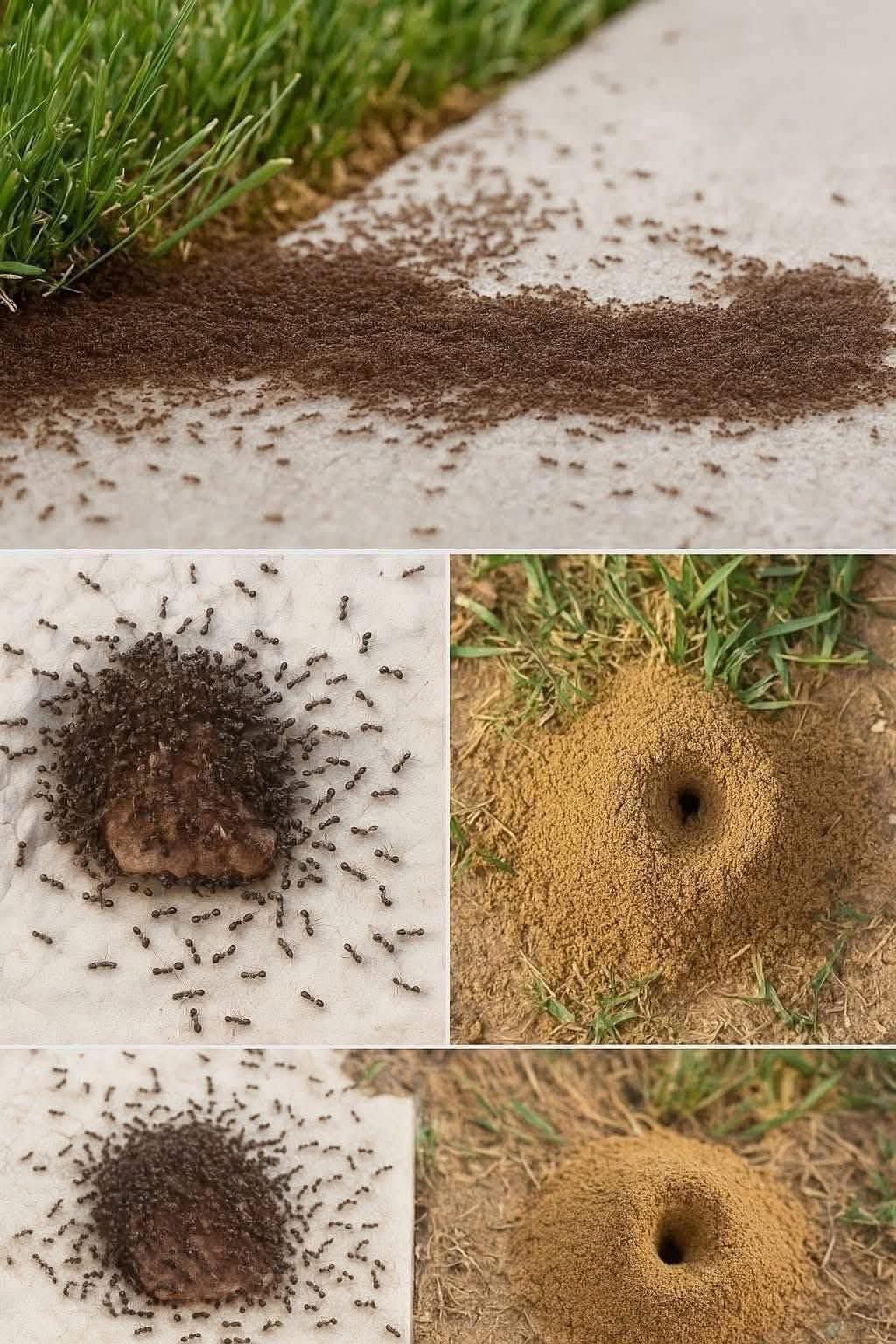
Ants may be small, but when they invade your garden, they can quickly become a big nuisance. Not only do they disturb your soil and plants, but they also farm aphids for their sugary secretions, further harming your garden’s health. Fortunately, you don’t need to resort to harmful chemicals or expensive pest control treatments. With just 20 cents, a few household ingredients, and a simple preparation method, you can take back control of your garden in an environmentally safe way.
This eco-friendly homemade ant killer is not only affordable but also easy to make and incredibly effective. You don’t have to rely on toxic sprays or synthetic insecticides to maintain a healthy outdoor space. With ingredients you likely already have in your pantry or medicine cabinet, you’ll be able to reduce the ant population in your garden naturally and efficiently.
Why Choose a Natural Ant Killer?
Using natural ant control methods has several benefits:
Safe for children and pets: No harmful chemicals to worry about.
Eco-conscious: Won’t pollute the soil or groundwater.
Cost-effective: Most ingredients are cheap or already on hand.
Sustainable: Targets ants without harming other beneficial insects like bees or butterflies.
This method works by attracting ants to a paste made from simple ingredients. Once consumed, the boric acid in the mix dehydrates and kills them. Over time, ants carry the bait back to the colony, spreading the effect. Best of all, it only costs about 20 cents to make a batch!
The Homemade Ant Killer Recipe
Ingredients:
2 hard-boiled egg yolks
½ teaspoon of honey
1 teaspoon of boric acid powder
Important Note: Boric acid is a low-toxicity ingredient but should still be handled with care. Keep it out of reach of children and pets.
Preparation Steps:
Boil the Eggs: Start by hard-boiling two eggs. Remove the yolks and place them in a bowl.
Mash the Yolks: Use a fork to mash the yolks into a fine crumble.
Add the Honey: Stir in ½ teaspoon of honey to help bind the mixture and attract the ants.
Add the Boric Acid: Mix in 1 teaspoon of boric acid powder. Stir thoroughly to create a thick paste.
Form Small Balls or Clumps: Roll the paste into small pea-sized balls or spoon tiny amounts onto pieces of parchment or foil.
How to Use It in Your Garden
Locate the Anthills: Identify where the ants are nesting or trailing.
Place the Paste: Drop small amounts of the mixture near anthills, in garden beds, or along ant trails. Avoid placing it directly on or near plants you consume.
Wait and Observe: Ants will be attracted to the sweet scent and carry parts of the mixture back to their nest.
Reapply as Needed: Repeat the process every few days or after rain until the ant population significantly decreases.
You’ll start to see fewer ants in your garden within a few days, and continued treatment can help eliminate entire colonies.
Other Natural Solutions for Ant Control
While the boric acid recipe is powerful, it’s also great to have a few other natural remedies up your sleeve. Here are several tried-and-true methods that can support your ant control efforts:
- Bay Leaves
Bay leaves are a natural deterrent for ants. The strong aroma confuses their scent trails. Simply place a few whole bay leaves near anthills or entry points.
- Cinnamon or Black Pepper
Sprinkle a small amount of cinnamon powder or black pepper around infested areas. These spices create a barrier that ants are reluctant to cross due to the overpowering scent.
- Baking Soda and Sugar Mix
Mix equal parts baking soda and powdered sugar, then sprinkle near ant trails. The sugar attracts the ants, while the baking soda disrupts their internal systems.
- Mint
Plant mint around your garden’s borders or crush fresh mint leaves and sprinkle them where ants are a problem. You can also use mint essential oil on cotton balls.
- Cornstarch
Pour cornstarch over the ant nest, then add water. This forms a paste that suffocates the ants. Alternatively, sprinkle dry cornstarch around entry points to repel them.
- Talc or Baby Powder
Plain talcum powder can block ants’ scent trails and make it harder for them to navigate. Lightly dust surfaces or entry points where you’ve seen ant activity.
Tips for Long-Term Ant Control
Seal Cracks and Entry Points: Look around the base of your home or garden shed and seal any cracks where ants might enter.
Control Aphids: Since ants “farm” aphids, reducing aphids on your plants can discourage ants from hanging around.
Keep the Garden Clean: Remove fallen fruit, sugary residues, or food scraps to make the space less attractive to ants.
Use Mulch Wisely: Avoid heavy mulch layers near plant stems; ants love to nest underneath moist mulch.
Rotate Remedies: If ants begin to ignore one solution, switch to another to keep them guessing.
Are These Methods Safe?
Yes, these methods are safe when used as directed. Natural repellents like mint and bay leaves pose no danger to pets or children. However, boric acid—though considered low-risk—should never be ingested or left where curious pets or toddlers might find it. Use common sense and keep all treatments away from edible plants unless they’re food-safe.
Final Thoughts
Dealing with ants in your garden doesn’t mean you have to resort to toxic chemicals or hire expensive exterminators. With this simple homemade remedy using just 20 cents’ worth of ingredients, you can reclaim your outdoor space in an eco-conscious, affordable way.
Combining the boric acid egg yolk paste with other natural repellents like cinnamon, bay leaves, and mint gives you a well-rounded approach that targets ants at the source while protecting the rest of your garden’s ecosystem.
Whether you’re an experienced gardener or just starting out, these natural pest control tips are practical, effective, and sustainable. Try them today, and enjoy your garden—ant-free and chemical-free!
More Articles You Might Like
-

Zero-Carb-Style Quick Vegetable Recipe
Zero-Carb-Style Quick Vegetable Recip Introduction Looking for something quick, flavorful, and satisfying? This easy vegetable dish is designed as a light, simple option for busy days. With fresh ingredients and minimal preparation, it can be enjoyed as a side dish or adapted into a more complete meal. Origin Quick vegetable dishes…
-
Detox Cabbage Vegetable Soup
Detox Cabbage Vegetable Sou Introduction Detox Cabbage Vegetable Soup is a warm, comforting bowl packed with cabbage, carrots, celery, tomatoes, and aromatic herbs. It’s light yet satisfying, making it a wonderful choice for a simple lunch, cozy dinner, or vegetable-rich side dish. Origin Cabbage-based vegetable soups have appeared in many cuisines…
-

Family-Favorite Homemade Cookies
Family-Favorite Homemade Cookie Introduction Few things are more comforting than a batch of freshly baked homemade cookies. These cookies are golden around the edges, soft and tender in the center, and packed with the kind of nostalgic flavor that makes everyone reach for “just one more.” It’s no surprise that they quickly…