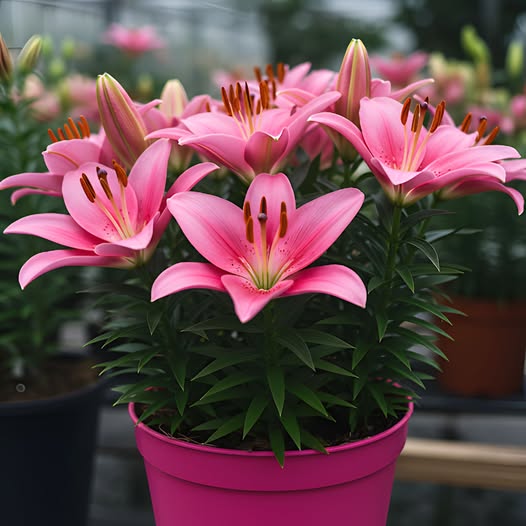
Asiatic Lilies (Lilium asiatic) are among the most vibrant and easy-to-grow lilies, known for their striking blooms in shades of red, orange, yellow, pink, and white. Unlike their Oriental Lily counterparts, Asiatic Lilies lack fragrance but make up for it with their bold, upward-facing flowers and adaptability. These perennials are perfect for garden beds, borders, and even containers, providing a stunning display from late spring to early summer.
This guide will walk you through everything you need to know about growing Asiatic Lilies, from planting and care to troubleshooting and landscaping ideas.
1. Growing Conditions for Asiatic Lilies
🌞 Sunlight
Asiatic Lilies thrive in full sun, requiring at least 6 hours of direct sunlight per day. A bright location ensures strong stems, healthy growth, and vibrant blooms. If grown in partial shade, the plants may stretch towards the light, causing weak stems and fewer flowers.
🌱 Soil Requirements
Well-draining soil is essential to prevent bulb rot.
They prefer slightly acidic to neutral soil (pH 6.0-7.0).
Enrich the soil with compost or aged manure to boost nutrients.
Avoid heavy clay soils unless amended with sand or perlite for drainage.
💧 Watering Needs
Keep the soil evenly moist, especially during dry periods.
Water deeply once or twice a week rather than shallow, frequent watering.
Avoid overwatering, as standing water can cause bulb rot.
🌡️ Temperature and Hardiness
Hardy in USDA zones 3-9, depending on the variety.
They tolerate mild frost but should be mulched in colder zones for winter protection.
Ideal growing temperatures range from 60-75°F (15-24°C).
2. Planting Asiatic Lilies
🕰️ Best Time to Plant
Plant lily bulbs in early spring or fall.
Fall planting (6 weeks before the ground freezes) allows the bulbs to establish roots before winter.
🌷 How to Plant Asiatic Lilies
Choose a location with well-drained soil and plenty of sunlight.
Dig a hole 4-6 inches deep (deeper for larger bulbs).
Place the bulb with the pointed end facing upward.
Space bulbs 6-12 inches apart to allow good airflow.
Backfill with soil, pressing down gently.
Water thoroughly to help settle the soil.
🌿 Container Planting
Choose a pot at least 12 inches deep with drainage holes.
Use a well-draining potting mix (garden soil retains too much moisture).
Water regularly but ensure the soil dries slightly between waterings.
3. Caring for Asiatic Lilies
🌱 Fertilizing
Apply a balanced fertilizer (10-10-10 or 5-10-10) in early spring when new growth appears.
Fertilize again after flowering to help bulbs store energy for the next season.
Avoid high-nitrogen fertilizers, as they promote foliage growth over flowers.
✂️ Deadheading and Pruning
Remove spent blooms as soon as they fade to prevent seed production.
Do not cut back foliage until it turns yellow in the fall—this helps the bulb store energy.
🪵 Staking and Support
Some tall varieties (3+ feet) may need staking to prevent them from bending.
Use bamboo stakes or plant them near other perennials for natural support.
4. Common Problems and Solutions
🐛 Pests
| Pest | Symptoms | Control Methods |
|---|---|---|
| Lily Beetles 🐞 | Red beetles eat leaves | Handpick and destroy, use neem oil |
| Aphids | Sticky leaves, curling foliage | Spray with insecticidal soap |
| Slugs/Snails | Chewed leaves at night | Use beer traps, diatomaceous earth |
🦠 Diseases
| Disease | Symptoms | Solution |
|---|---|---|
| Botrytis Blight | Brown spots on leaves and flowers | Improve air circulation, avoid overhead watering |
| Root Rot | Soft, mushy bulbs | Ensure well-draining soil, avoid overwatering |
5. Propagating Asiatic Lilies
🌱 Division
Divide lilies every 3-4 years to prevent overcrowding.
Dig up bulbs in fall, separate offsets (small bulbs), and replant.
🌿 Scaling (Bulb Propagation)
Gently remove a few outer scales from a healthy bulb.
Place them in a bag with damp vermiculite.
Store in a warm (70°F) dark place for 6-8 weeks.
Once small bulblets form, plant them in pots.
6. Using Asiatic Lilies in Landscaping
🌿 Companion Planting
Pair Asiatic Lilies with plants that complement their height and colors:
Low-growing perennials (Lavender, Hostas, Daylilies)
Ground covers (Creeping Phlox, Thyme)
Tall ornamental grasses for contrast
🌷 Garden Design Ideas
Mixed Borders: Plant Asiatic Lilies with Coneflowers, Salvias, and Daisies.
Cottage Gardens: Combine with Roses, Delphiniums, and Peonies.
Rock Gardens: Use shorter Asiatic Lilies with Sedum and Dianthus.
7. Winter Care for Asiatic Lilies
In zones 3-6, apply mulch (2-3 inches) over bulbs in late fall to protect from freezing.
In warmer climates, lilies can stay in the ground year-round.
Container lilies should be moved to a sheltered area to prevent bulbs from freezing.
8. Frequently Asked Questions (FAQs)
🌼 How long do Asiatic Lilies bloom?
They bloom for about 2-3 weeks in early to mid-summer. Stagger planting different varieties for extended blooms.
🌱 Can Asiatic Lilies grow in shade?
They prefer full sun but can tolerate light shade (though with fewer flowers).
💐 Do Asiatic Lilies come back every year?
Yes! They are perennial bulbs, returning each year with proper care.
🍶 Can I grow Asiatic Lilies in water?
No, they need well-draining soil—too much moisture will rot the bulbs.
Conclusion
Asiatic Lilies are one of the easiest and most rewarding lilies to grow, offering bold colors, minimal maintenance, and reliable blooms. Whether in garden beds, borders, or containers, they bring beauty and elegance to any space. By providing full sun, well-draining soil, and proper care, you’ll enjoy their dazzling display for years to come!
Ready to grow some Asiatic Lilies? 🌸 Let me know if you have any questions! 😊
More Articles You Might Like
-

Southern Fried Green Tomatoes
Southern Fried Green Tomatoe Crispy, golden, tangy, and wonderfully comforting, fried green tomatoes are a classic Southern-inspired side dish or appetizer. Thick slices of firm green tomatoes are seasoned, coated in flour, egg, and cornmeal, then pan-fried until beautifully crisp on the outside while remaining pleasantly tender and tangy inside. Introduction Fried green tomatoes are…
-
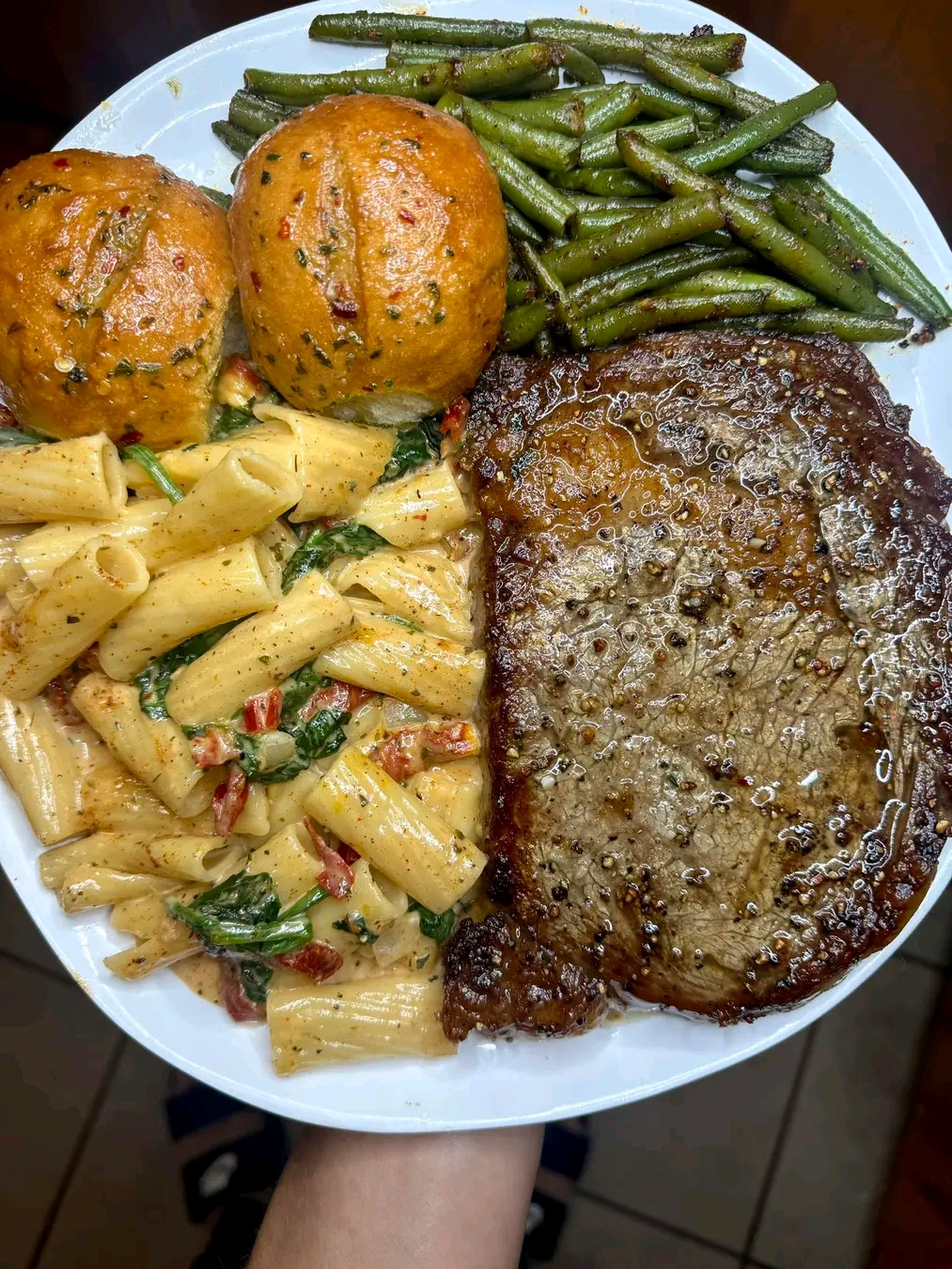
Ribeye with Tuscan Rigatoni, Garlic
Ribeye with Tuscan Rigatoni, Garli Butter Dinner Rolls & Green Beans Introduction This ribeye dinner is the ultimate combination of juicy steak, creamy Tuscan-inspired rigatoni, tender green beans, and warm garlic-butter dinner rolls. The richness of the steak and pasta is balanced beautifully by crisp-tender green beans, making this a satisfying meal for…
-
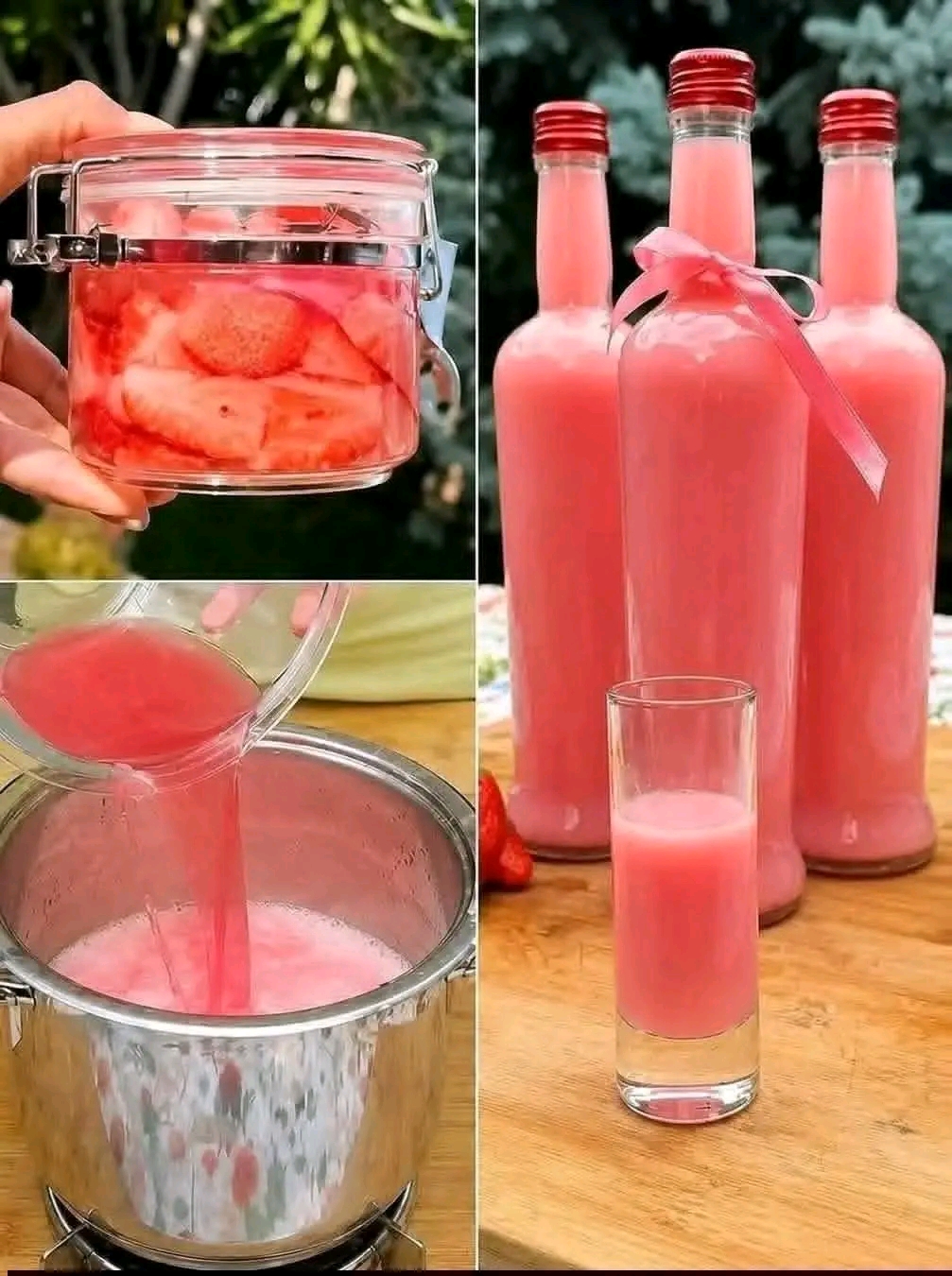
Cultural Significance
Cultural Significanc Across many cultures, herbal drinks are associated with hospitality, seasonal comfort, and traditional approaches to everyday well-being. Ginger and turmeric are especially prominent in South Asian and Asian culinary traditions. Warm spiced beverages are also enjoyed across North Africa and the Middle East, where ingredients such as cinnamon, lemon, and fresh…