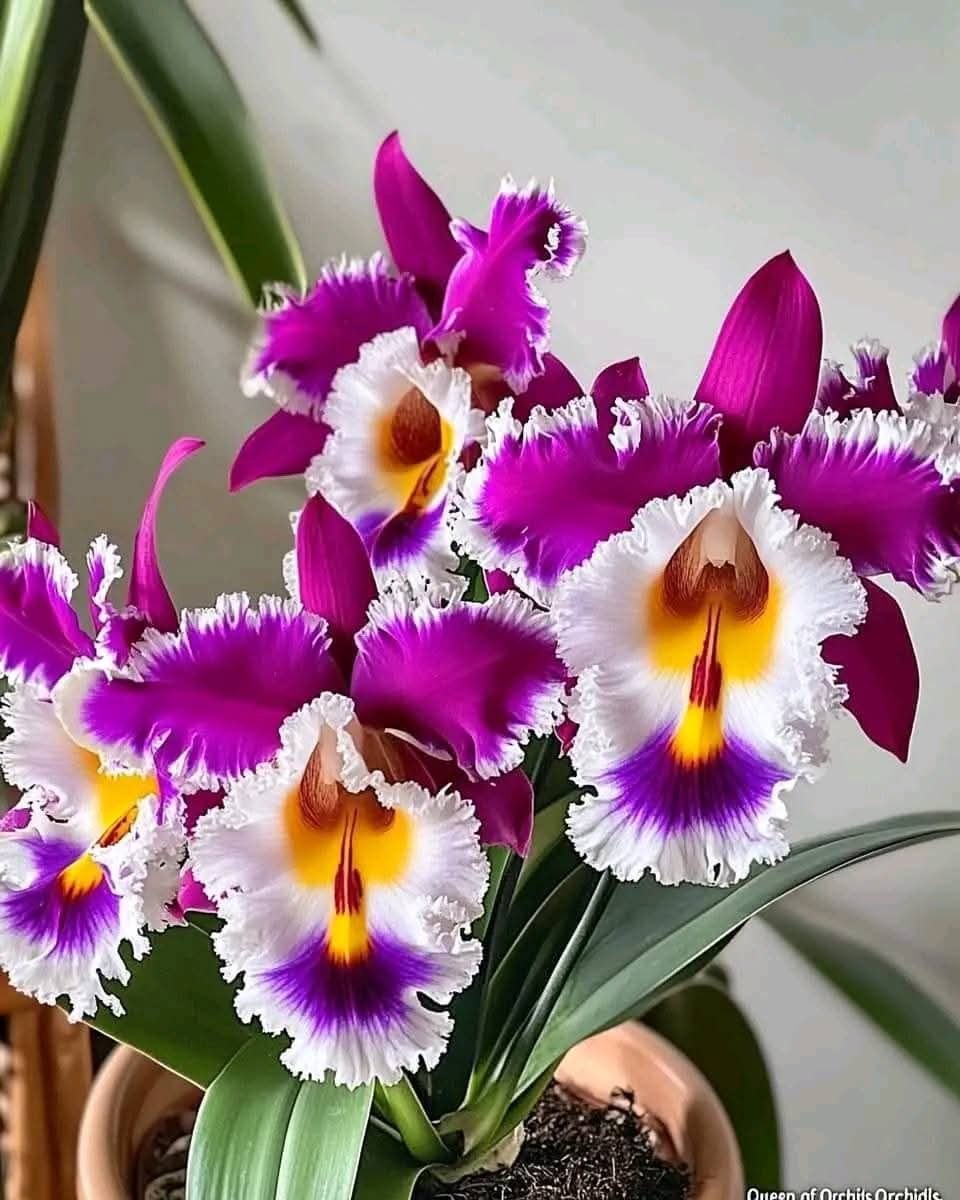
The Cattleya Orchid (Cattleya spp.) is a true showstopper with its large, frilled petals in stunning hues of purple, white, and yellow. Known as the “Queen of Orchids,” this exotic beauty not only adds tropical elegance to your home but also graces your space with a gentle, sweet fragrance.
Whether you’re a seasoned orchid enthusiast or just starting your orchid journey, learning to care for a Cattleya will reward you with spectacular blooms and a sense of accomplishment. Let’s dive into everything you need to know to help this regal orchid thrive!
Why You’ll Love Cattleya Orchids
Spectacular Blooms: Big, showy flowers with vibrant colors and frilly edges.
Fragrance: A light, sweet scent that adds charm to any room.
Long-Lasting Flowers: Blooms can last 2–6 weeks, depending on the variety and care.
Resilient & Rewarding: While they need specific care, they’re surprisingly hardy once you understand their needs.
Let’s break down the essentials!
What You’ll Need for Happy, Healthy Cattleya Orchids
Light Requirements
Ideal: Bright, indirect light for 6–8 hours daily. A south or east-facing window is perfect.
Good Indicator: Leaves should be light green. Dark green leaves mean too little light; yellow or scorched leaves mean too much.
Tip: If natural light is limited, use a grow light designed for orchids.
Watering Needs
When to Water: Water when the top 1–2 inches of the potting mix are dry. Usually, every 7–10 days.
Method: Water thoroughly, letting excess water drain out completely. Never let the roots sit in water!
Humidity Tip: In dry climates, place the orchid pot on a pebble tray filled with water (ensure the pot doesn’t sit in the water).
Soil & Potting Mix
Ideal: Use a well-draining orchid mix, typically made of bark, perlite, and charcoal.
Alternative: Sphagnum moss works too, but be careful not to overwater.
Repotting: Every 2–3 years, or when the potting mix breaks down. Do this after blooming, not during.
Temperature & Humidity
Daytime Temp: 65–85°F (18–29°C)
Nighttime Temp: 55–60°F (13–16°C)
Humidity: High humidity (50–80%) with proper air circulation to prevent fungal issues.
Tip: Use a humidifier or mist the leaves in dry conditions.
Fertilizer Routine
During Growth: Feed every 2 weeks with a balanced orchid fertilizer (20-20-20).
In Winter: Reduce feeding to once a month when growth slows.
Bloom Booster: Switch to a fertilizer higher in phosphorus (like 10-30-20) to encourage flowering.
How to Care for Your Cattleya Orchid
Step 1: Planting & Potting
Use a clear plastic orchid pot with drainage holes to monitor root health.
Place the orchid in the pot, gently spreading the roots over the bark mix.
Position the plant so the base of the leaves (the pseudobulbs) sit just above the mix.
Step 2: Watering & Humidity Management
Water in the morning so the leaves dry by night, preventing rot.
In low humidity, mist the plant lightly or run a small fan to improve airflow.
Step 3: Encouraging Blooms
Give the plant a slight temperature drop at night (about 10°F lower) to trigger blooming.
Ensure the orchid gets enough light — without it, flowers won’t form.
Step 4: Post-Bloom Care
After the blooms fade, cut the flower spike just above the first node.
Keep caring for the plant — new pseudobulbs will develop and produce future blooms!
Common Cattleya Orchid Problems (and Fixes!)
Yellow Leaves: Usually too much direct sun or overwatering. Move to filtered light and let the mix dry out.
Wrinkled Leaves: A sign of underwatering or dry air. Increase watering frequency and boost humidity.
No Blooms: Not enough light or nutrients. Adjust light exposure and switch to a bloom-boosting fertilizer.
Design & Display Ideas
Windowsill Elegance: Place your orchid on a decorative stand near a bright window.
Orchid Terrarium: Pair with moss and driftwood for a mini indoor tropical paradise.
Centerpiece Charm: Use as a statement piece on your dining or coffee table.
Timing & Growth Cycle
Blooming Season: Usually spring or fall, depending on variety.
Flower Duration: 2–6 weeks per bloom cycle.
Dormancy: After blooming, plants rest but still need care to prepare for the next bloom cycle.
Why You Need a Cattleya Orchid
The Cattleya Orchid is a symbol of luxury, elegance, and resilience. It brings tropical beauty into your space, rewarding your care with spectacular, fragrant blooms. Whether you’re growing it on a sunny windowsill or as part of a lush indoor garden, this orchid adds undeniable charm and life to your home.
With the right balance of light, water, and patience, you’ll enjoy breathtaking flowers that remind you why the Cattleya is called the Queen of Orchids!
More Articles You Might Like
-

Southern Fried Green Tomatoes
Southern Fried Green Tomatoe Crispy, golden, tangy, and wonderfully comforting, fried green tomatoes are a classic Southern-inspired side dish or appetizer. Thick slices of firm green tomatoes are seasoned, coated in flour, egg, and cornmeal, then pan-fried until beautifully crisp on the outside while remaining pleasantly tender and tangy inside. Introduction Fried green tomatoes are…
-

Ribeye with Tuscan Rigatoni, Garlic
Ribeye with Tuscan Rigatoni, Garli Butter Dinner Rolls & Green Beans Introduction This ribeye dinner is the ultimate combination of juicy steak, creamy Tuscan-inspired rigatoni, tender green beans, and warm garlic-butter dinner rolls. The richness of the steak and pasta is balanced beautifully by crisp-tender green beans, making this a satisfying meal for…
-

Cultural Significance
Cultural Significanc Across many cultures, herbal drinks are associated with hospitality, seasonal comfort, and traditional approaches to everyday well-being. Ginger and turmeric are especially prominent in South Asian and Asian culinary traditions. Warm spiced beverages are also enjoyed across North Africa and the Middle East, where ingredients such as cinnamon, lemon, and fresh…