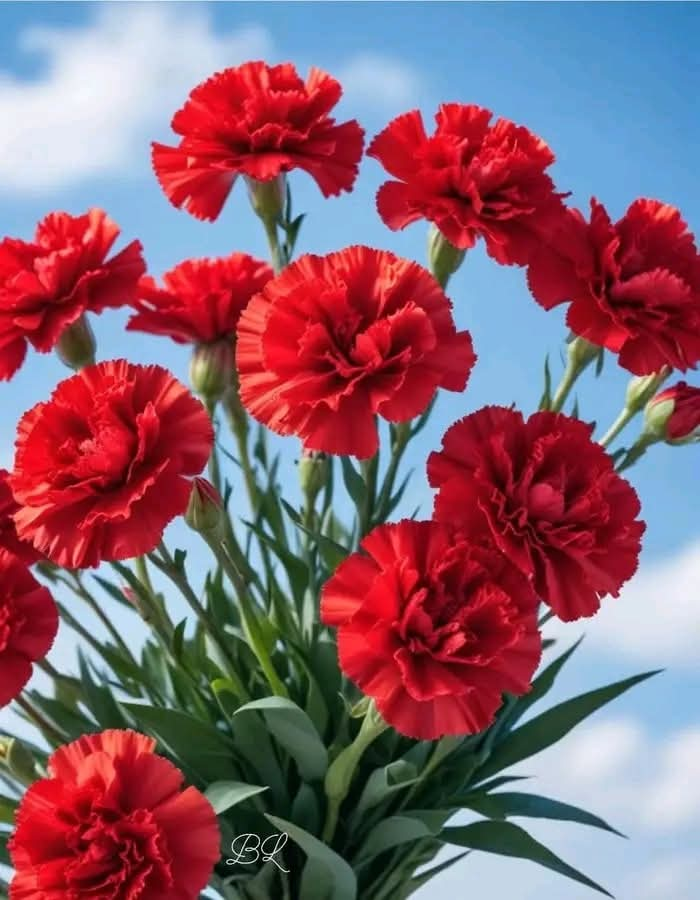
Carnations (Dianthus caryophyllus) have long been cherished for their delicate ruffled petals, enchanting fragrance, and long-lasting blooms. These stunning flowers, often associated with love and admiration, come in a variety of colors, making them a favorite choice for gardens, floral arrangements, and special occasions. The bicolored carnation, featuring deep maroon and creamy white hues, adds a touch of sophistication and elegance, making it a true standout. Whether you’re an experienced gardener or just beginning, growing carnations can be a rewarding experience.
Why Grow Carnations?
Carnations are beloved for several reasons:
✔ Long-Lasting Blooms – Their flowers can last up to two weeks when cut, making them a favorite in bouquets and floral arrangements.
✔ Fragrance – Many carnation varieties have a delightful clove-like scent.
✔ Versatility – These flowers grow well in garden beds, borders, and containers.
✔ Symbolism – Carnations are often associated with love, admiration, and remembrance, making them popular for celebrations and memorials.
✔ Easy to Grow – With the right care, carnations thrive in various climates, producing abundant and vibrant blooms.
Growing Conditions for Carnations
Light Requirements
Carnations thrive in full sun to partial shade, needing at least 6 hours of direct sunlight daily. Too much shade can lead to weaker stems and fewer flowers. If growing indoors, place them near a bright window where they receive plenty of natural light.
Watering Needs
Proper watering is key to keeping carnations healthy:
✔ Water deeply but infrequently, keeping the soil moist but not soggy.
✔ Allow the top inch of soil to dry out between waterings to prevent root rot.
✔ Use drip irrigation or water at the base of the plant to avoid wetting the leaves and reduce the risk of fungal diseases.
Soil Requirements
Carnations prefer well-draining, rich, and fertile soil. To create the ideal environment:
✔ Use slightly alkaline soil (pH 6.7–7.5) for best results.
✔ Amend heavy or clay soil with sand or perlite to improve drainage.
✔ Incorporate compost or organic matter to provide essential nutrients.
Temperature and Humidity
Carnations thrive in temperate climates, with an ideal temperature range of 60-75°F (16-24°C). They prefer moderate to high humidity, but proper air circulation is essential to prevent fungal diseases.
Fertilizing Carnations
To encourage healthy growth and continuous blooming, feed carnations regularly:
✔ Apply a balanced, slow-release fertilizer every 2-3 weeks during the growing season.
✔ Use a phosphorus-rich fertilizer to enhance flower production.
✔ Avoid over-fertilizing, as excessive nitrogen can lead to excessive foliage growth at the expense of blooms.
How to Plant Carnations
From Seeds
✔ Start seeds indoors 8-10 weeks before the last frost.
✔ Sow seeds 1/8 inch deep in seed-starting mix.
✔ Keep the soil moist and warm (65-70°F/18-21°C) until germination occurs (about 2-3 weeks).
✔ Once seedlings develop 2-3 sets of true leaves, transplant them into larger pots or outdoor beds.
From Cuttings
✔ Take 4-6 inch cuttings from healthy carnation plants.
✔ Remove the lower leaves and dip the cut end in rooting hormone.
✔ Plant in moist, well-draining soil and keep in a warm, bright location.
✔ Roots should develop in 2-3 weeks, after which they can be transplanted outdoors.
From Nursery Plants
✔ Purchase healthy carnation plants from a nursery and transplant them into well-prepared garden soil or containers.
✔ Space plants 6-12 inches apart to allow for proper air circulation.
✔ Water thoroughly after planting and apply a layer of mulch to retain moisture.
Caring for Carnations
- Pruning and Deadheading
✔ Deadhead spent blooms regularly to promote continuous flowering.
✔ Trim back leggy growth to maintain a compact and bushy shape.
✔ After the first bloom cycle, cut stems back by one-third to encourage new growth.
- Pest and Disease Control
Carnations are relatively pest-resistant, but they can sometimes be affected by:
✔ Aphids & Spider Mites – Use neem oil or insecticidal soap to keep infestations in check.
✔ Fungal Diseases (Powdery Mildew, Root Rot) – Avoid overhead watering and provide good air circulation. Use fungicide if necessary.
- Overwintering Carnations
✔ In colder climates, apply mulch around the base of the plant to protect the roots.
✔ In harsh winters, bring potted carnations indoors to a cool, well-lit location.
Best Uses for Carnations
✔ Garden Borders – Their compact growth habit makes them perfect for borders and flower beds.
✔ Cut Flower Arrangements – Their long vase life (up to two weeks) makes them a favorite for bouquets.
✔ Containers & Hanging Baskets – Perfect for adding a pop of color to patios and balconies.
✔ Dried Flowers – Carnations dry well and can be used for everlasting floral arrangements.
Interesting Facts About Carnations
✔ The scientific name “Dianthus” means “divine flower” in Greek.
✔ Carnations are the birth flower for January and symbolize love, admiration, and remembrance.
✔ In Spain and Italy, red carnations are a symbol of passion and courage.
✔ Carnations were used in ancient times for medicinal purposes, including treating fevers and inflammation.
Final Thoughts
Carnations (Dianthus caryophyllus) are a timeless and versatile flower that adds beauty, fragrance, and charm to any space. With their low maintenance requirements and long-lasting blooms, they are a fantastic addition to both home gardens and floral arrangements. Whether you’re looking to enhance your landscape, create stunning bouquets, or simply enjoy their fragrance, carnations are a rewarding plant to grow.
By providing proper care, the right growing conditions, and a little attention, your carnations will thrive and bloom beautifully season after season. So why not add these elegant, ruffled flowers to your garden and enjoy their splendor?
Have you grown carnations before? Share your experience in the comments below! 🌸✨