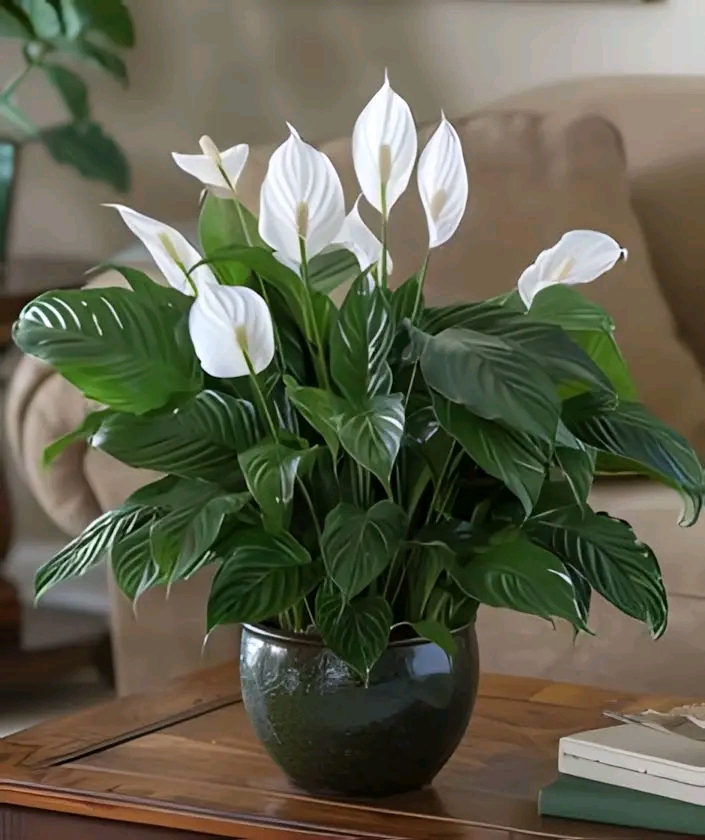
The Peace Lily (Spathiphyllum) is a beautiful, low-maintenance indoor plant known for its graceful white flowers and lush green foliage. It is a popular choice for homes and offices due to its air-purifying qualities, ability to thrive in low-light conditions, and minimal care requirements.
If you’re looking for an elegant, easy-to-grow plant, the Peace Lily is the perfect addition to your indoor space!
Why Grow a Peace Lily?
✔ Beautiful Blooms: Produces elegant white flowers (spathes) that resemble calla lilies.
✔ Low Maintenance: Requires minimal care, making it ideal for beginners.
✔ Air Purifying: Filters toxins like formaldehyde, benzene, and carbon monoxide from the air.
✔ Thrives in Low Light: Grows well in indirect light and even under fluorescent lighting.
✔ Adds Humidity: Helps maintain a comfortable indoor environment.
How to Grow and Care for a Peace Lily
- Light Requirements
☀ Low to Medium Indirect Light
Prefers bright, indirect light, but also tolerates low light.
Avoid direct sunlight, as it can scorch the leaves.
Can survive under fluorescent lighting, making it a great office plant!
💡 Tip: If your Peace Lily isn’t flowering, try moving it to a brighter spot to encourage blooms.
- Ideal Temperature for Peace Lilies
🌡 65-85°F (18-30°C)
Peace Lilies thrive in warm indoor conditions.
Avoid cold drafts from windows, air conditioners, or doors.
Keep away from heaters and radiators, which can dry out the plant.
💡 Tip: If temperatures drop below 50°F (10°C), the plant may suffer.
- Best Soil for Peace Lilies
✔ Well-Draining, Rich Soil
Use a light, well-draining potting mix to prevent root rot.
A peat-based mix with added perlite or sand works well.
Ensure the pot has drainage holes to allow excess water to escape.
- Watering Guide
💧 Keep Soil Moist but Not Soggy
✔ How Often to Water:
Water when the top inch of soil is dry.
Typically, this means watering once a week.
Reduce watering in winter, as the plant’s growth slows.
✔ Signs of Overwatering:
Yellowing leaves
Wilting (even when the soil is wet)
Mushy stems or a bad smell from the soil
✔ Signs of Underwatering:
Drooping or wilting leaves that perk up after watering
Dry, crispy leaf edges
💡 Tip: Peace Lilies droop dramatically when thirsty—this is a clear signal they need water!
- Humidity Needs
🌫 Prefers High Humidity
Native to tropical regions, Peace Lilies love humid environments.
Maintain 40-60% humidity for healthy growth.
✔ Ways to Increase Humidity:
Misting: Lightly mist the leaves a few times per week.
Pebble Tray: Place the pot on a tray filled with pebbles and water.
Grouping Plants: Place multiple plants together to naturally raise humidity.
💡 Tip: If you live in a dry climate, consider using a humidifier near your Peace Lily.
- Fertilizing Peace Lilies
✔ Use a Balanced Fertilizer (10-10-10 or 20-20-20)
Fertilize every 6-8 weeks during the growing season (spring and summer).
Use a diluted liquid fertilizer for best results.
Avoid over-fertilizing, as this can burn the leaves.
💡 Tip: Peace Lilies don’t need a lot of fertilizer—less is more!
Encouraging Blooms
Peace Lilies produce elegant white flowers (spathes), but sometimes they stop blooming. Here’s how to encourage flowers:
✔ Increase Light: Move the plant to a brighter (indirect) light location.
✔ Feed Regularly: Use a phosphorus-rich fertilizer (such as a bloom booster).
✔ Keep It Happy: Proper watering, humidity, and temperature all contribute to blooming.
💡 Tip: Young plants may not bloom immediately—be patient and give them time!
Common Peace Lily Problems & Solutions
- Yellow Leaves
✔ Cause: Overwatering, poor drainage, or too much direct sunlight.
✔ Solution: Let the soil dry out slightly before watering again and ensure proper drainage.
- Brown Leaf Tips
✔ Cause: Low humidity, tap water chemicals, or over-fertilization.
✔ Solution: Use filtered or distilled water, increase humidity, and avoid over-fertilizing.
- Wilting Leaves
✔ Cause: Either underwatering or overwatering.
✔ Solution: Check the soil—if dry, water thoroughly; if soggy, let it dry out before watering again.
- No Flowers
✔ Cause: Low light or lack of nutrients.
✔ Solution: Move to a brighter spot and fertilize regularly during the growing season.
How to Repot a Peace Lily
🏡 Repot every 1-2 years or when the plant outgrows its container.
✔ Steps:
1️⃣ Choose a pot 1-2 inches larger than the current one.
2️⃣ Use fresh, well-draining potting mix.
3️⃣ Gently remove the plant and shake off old soil.
4️⃣ Place it in the new pot and fill with fresh soil, leaving space for watering.
5️⃣ Water lightly and place in indirect light.
💡 Tip: If the plant is too large, you can divide it into smaller plants when repotting!
Peace Lily Display Ideas
🏡 Indoor Decoration: Looks beautiful in living rooms, bedrooms, and offices.
💐 Minimalist Style: The white flowers add a sleek, modern touch to any space.
🛁 Bathroom Plant: Thrives in humid bathrooms with indirect light.
🎁 Great Gift: A perfect housewarming or sympathy gift due to its symbolism of peace and healing.
Final Thoughts: A Stunning & Easy-to-Care-For Plant
The Peace Lily is a must-have houseplant for beginners and experienced plant lovers alike. It thrives in low light, purifies the air, and adds beauty to any space with its elegant white flowers and lush green leaves. With the right care, your Peace Lily can bloom year after year, bringing peace and greenery into your home.
🌿 Do you have a Peace Lily? Share your experience and tips in the comments!