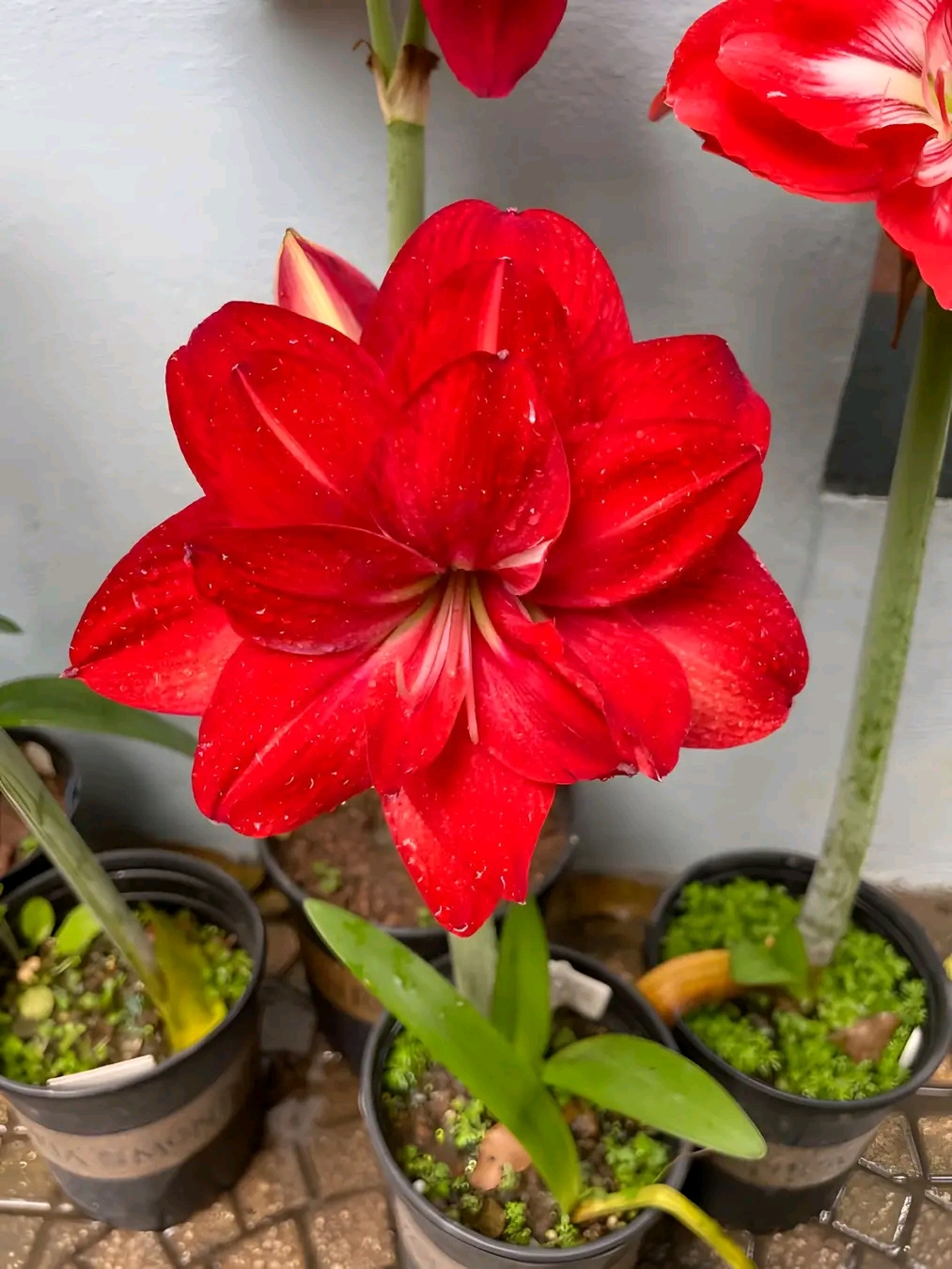
Amaryllis (Hippeastrum) is a stunning, easy-to-grow flowering plant known for its large, trumpet-shaped blooms in vibrant shades of red, pink, white, and bi-color varieties. Commonly grown indoors during winter months, amaryllis also thrives outdoors in warm climates. With the right care, these elegant flowers can rebloom year after year, making them a favorite among gardeners and plant lovers.
This guide will cover everything you need to know about growing, caring for, and encouraging amaryllis to rebloom successfully.
Why Grow Amaryllis?
✔ Spectacular Blooms: Produces huge, showy flowers up to 8 inches wide on tall, sturdy stalks.
✔ Easy to Grow: Requires minimal care and thrives both indoors and outdoors.
✔ Winter Beauty: One of the few flowers that bloom indoors in winter, adding color to your home.
✔ Long-Lasting Flowers: Blooms last 6-8 weeks, and with proper care, bulbs can flower annually.
✔ Great for Gifts: Amaryllis bulbs are popular holiday gifts, as they grow easily from bulbs to bloom.
How to Grow and Care for Amaryllis
- Light Requirements
☀ Bright, Indirect Light
Indoors: Place near a south- or east-facing window with plenty of bright, indirect sunlight.
Outdoors: If growing outdoors, partial sun to full sun is ideal (at least 6 hours of light daily).
Rotate the pot occasionally to prevent leaning as the plant grows toward the light.
- Best Temperature for Amaryllis
🌡 Ideal Range: 60-70°F (15-21°C)
Thrives in warm temperatures during the growing season.
Keep away from cold drafts or excessive heat.
Avoid temperatures below 50°F (10°C), as bulbs are not frost-hardy.
- Best Soil for Amaryllis
✔ Well-Draining Soil: Prevents root and bulb rot.
✔ Ideal Mix: Use a bulb-specific mix or a general-purpose potting mix with added perlite or sand for drainage.
✔ Soil pH: Prefers slightly acidic to neutral soil (pH 6.0-7.0).
- How to Plant Amaryllis Bulbs
🌱 When to Plant: Fall to Early Winter (October–December) for winter and spring blooms.
✔ Pot Selection: Use a sturdy, well-draining pot that is 1-2 inches wider than the bulb.
✔ Planting Depth: Leave the top third of the bulb exposed above the soil surface.
✔ Spacing: If planting multiple bulbs in one pot, space them 2 inches apart.
✔ Water Thoroughly: After planting, water lightly to help the bulb establish roots.
💡 Tip: Amaryllis bulbs do not need pre-chilling like tulip or daffodil bulbs.
- Watering Guide
✔ After Planting: Water sparingly until growth begins.
✔ During Growth: Keep soil lightly moist but never soggy.
✔ After Flowering: Gradually reduce watering to encourage dormancy.
✔ During Dormancy: Water very little until new growth appears.
💡 Avoid overwatering, as it can cause bulb rot!
- Fertilizing Amaryllis
✔ During Growth: Use a balanced, water-soluble fertilizer (10-10-10 or 20-20-20) every 2-4 weeks.
✔ After Flowering: Continue fertilizing until the leaves die back to help the bulb store energy.
✔ During Dormancy: Do not fertilize during the resting period.
💡 Proper fertilization ensures strong bulbs and bigger blooms next season!
Encouraging Amaryllis to Rebloom
After blooming, amaryllis enters a dormancy period. Proper care during this time ensures a successful rebloom next season.
Step 1: Deadhead & Continue Care
✔ Once the flowers fade, cut the flower stalk about 2 inches above the bulb.
✔ Keep the green leaves intact, as they provide energy for the next bloom cycle.
Step 2: Summer Growth Phase
✔ Move Outdoors: In summer, place the pot outdoors in a bright, partially shaded location.
✔ Continue Watering & Feeding: Water regularly and fertilize every 4 weeks to help the bulb store nutrients.
Step 3: Inducing Dormancy
🌿 Late Summer to Early Fall (August–September)
✔ Stop fertilizing in late August.
✔ Reduce watering gradually, allowing the leaves to yellow and die back naturally.
✔ Once foliage is completely brown and dry, cut it back to about 1 inch above the bulb.
✔ Place the bulb in a cool, dry, dark location (50-55°F / 10-13°C) for 8-10 weeks.
💡 Resting the bulb is essential for reblooming!
Step 4: Restarting Growth
✔ After 8-10 weeks of dormancy, repot the bulb in fresh soil.
✔ Water lightly and place it in a bright, warm spot.
✔ Within 2-4 weeks, a new flower stalk should emerge!
Common Amaryllis Problems & Solutions
- No Blooms (Only Leaves Appear)
✔ Cause: Bulb didn’t get enough rest or nutrients.
✔ Solution: Ensure proper dormancy and fertilize regularly during growth.
- Yellowing Leaves
✔ Cause: Overwatering or natural dormancy cycle.
✔ Solution: Reduce watering and allow foliage to die back naturally.
- Rotting Bulb
✔ Cause: Excess moisture or poor drainage.
✔ Solution: Use well-draining soil and water sparingly.
- Weak or Leaning Flower Stalks
✔ Cause: Low light or too much heat.
✔ Solution: Rotate the pot regularly and place it in bright, indirect light.
Beautiful Ways to Display Amaryllis
🏡 Indoor Potted Display: Showcase amaryllis in decorative pots for a festive holiday display.
🌿 Outdoor Flower Beds: In warm climates, plant amaryllis in garden beds for stunning spring blooms.
💐 Cut Flowers: Amaryllis flowers make gorgeous long-lasting bouquets (they last 2-3 weeks in a vase!).
🎁 Holiday Gift: Amaryllis bulbs make wonderful Christmas gifts since they bloom indoors in winter.
Final Thoughts: A Stunning and Rewarding Flower
Amaryllis is one of the easiest and most rewarding flowers to grow, bringing spectacular blooms to your home or garden year after year. With minimal care, you can enjoy vibrant, oversized flowers indoors during the winter or outdoors in warm climates.
🌺 Have you grown amaryllis before? Share your experiences and tips in the comments!