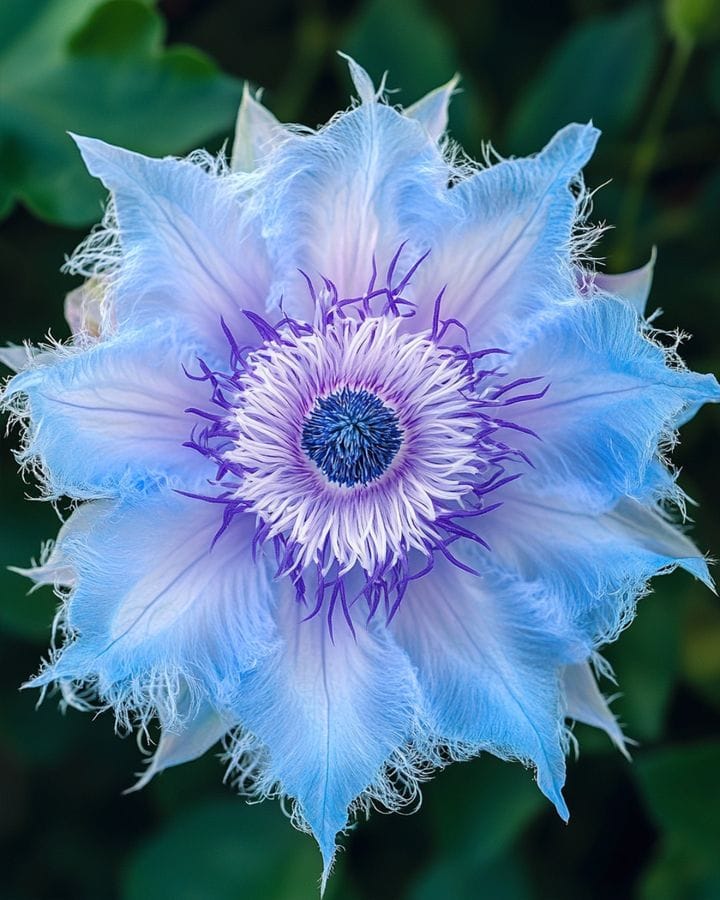
The Thysanotus Multiflorus, commonly known as the Purple Fringe Lily, is a graceful and delicate perennial known for its clusters of purple, star-shaped flowers, which are adorned with fine fringes that resemble cascading ribbons. These stunning blooms create an enchanting and whimsical display in any garden, adding a touch of elegance and charm. The unique, frilly flowers make this plant a standout choice for rock gardens, borders, and containers.
Growing Conditions for Thysanotus Multiflorus
To grow Purple Fringe Lily successfully, it’s important to consider its specific growing requirements, such as light, water, soil, and temperature preferences. Here’s a breakdown of what this plant needs:
Light: Full Sun to Partial Shade
The Purple Fringe Lily thrives in full sun to partial shade. It requires plenty of light to bloom well, but it can tolerate a bit of shade, especially in warmer climates. Plant it in an area where it will receive a minimum of 4-6 hours of direct sunlight per day, but it will also do well with dappled shade in the afternoon to protect the delicate flowers from the harsh midday sun.
Watering: Consistently Moist but Well-Drained Soil
While the Purple Fringe Lily enjoys consistent moisture, it’s crucial that the soil remains well-drained to prevent root rot. The plant can tolerate moist conditions but should never be waterlogged. Water the plant regularly, especially during dry spells, ensuring the soil stays evenly moist without becoming soggy. In areas with heavy rainfall, consider planting in raised beds or containers to improve drainage.
Soil: Well-Draining, Sandy or Loamy Soil
This plant prefers well-draining soil, ideally sandy or loamy in texture. It thrives in soil that allows water to drain freely but retains enough moisture to keep the roots hydrated. Adding organic matter or compost to your garden soil can improve its texture and drainage, creating the perfect environment for Thysanotus Multiflorus to flourish.
Temperature: Tolerant of a Wide Range
The Purple Fringe Lily is a versatile plant, capable of tolerating a wide range of temperatures. It typically grows well in temperatures between 55-75°F (13-24°C) but can tolerate both cooler and warmer conditions depending on the species. If you live in a particularly hot or cold climate, this adaptability makes it a great choice for various regions.
Humidity: Moderate
This plant does best in moderate humidity levels. It’s not overly fussy about humidity but benefits from a balanced environment. To keep it happy, ensure good airflow around the plant, which helps to reduce the risk of fungal diseases and promotes healthy growth.
Care Tips for Thysanotus Multiflorus
Caring for the Purple Fringe Lily is relatively simple, but it requires some attention to ensure optimal growth and blooming. Here are some tips to help you take care of your plant:
Fertilizing: Monthly Feeding During Growing Season
During the growing season, provide your Purple Fringe Lily with a balanced fertilizer (such as 10-10-10 or 20-20-20) once a month to support its growth and flowering. Be sure to dilute the fertilizer to avoid overfeeding, which can lead to excessive foliage growth at the expense of blooms. Fertilizing once a month during the active growing season is sufficient.
Pruning: Light Deadheading and Tidying Up
After the blooming period, you can deadhead the spent flowers to maintain the plant’s neat appearance. Pruning isn’t necessary for this plant unless you want to tidy up the foliage or encourage more compact growth. Simply remove dead or damaged leaves and spent flower stems to keep the plant looking healthy.
Pests and Diseases: Minimal Issues
The Purple Fringe Lily is relatively resistant to pests and diseases. However, it’s still important to watch for aphids and snails, which can sometimes be attracted to the plant’s soft, delicate leaves. If you notice any signs of pest damage, treat the plant with appropriate organic remedies like neem oil or insecticidal soap.
This plant is also resistant to most common fungal diseases, but good airflow is still important to prevent issues like powdery mildew, especially in humid or crowded areas.
Arrangement Tips for Purple Fringe Lily
Purple Fringe Lily is not only a beautiful garden addition but also a striking flower for cut arrangements.
Vase Choice: Simple and Elegant Containers
When using Thysanotus Multiflorus in a vase, choose a simple, elegant container that complements its delicate and graceful nature. A clear glass vase or a rustic ceramic container will allow the beautiful purple, fringed blooms to take center stage. The cascading flowers will look stunning in both contemporary and traditional vase designs.
Arrangement Style: Light and Airy Displays
The unique, frilled flowers of Purple Fringe Lily lend themselves beautifully to loose, airy arrangements. Pair them with other delicate flowers like lavender, white lilies, or soft pink roses for a gentle, harmonious bouquet that emphasizes the elegance of the plant. For a more dramatic effect, combine them with dark foliage or other purple blooms for contrast.
Using Thysanotus Multiflorus in Your Garden
The Purple Fringe Lily is a versatile plant that can be used in many garden settings. Here are some ideas for incorporating it into your landscape:
Rock Gardens: Its low-growing nature and delicate blooms make it an ideal addition to rock gardens, where it can cascade over rocks and create a stunning display.
Borders and Edging: The plant’s fine, fringed flowers make it perfect for adding beauty to garden borders and edging. It pairs well with other sun-loving perennials like lavender and daylilies.
Containers: The compact growth habit of Purple Fringe Lily makes it well-suited for container planting. Use it to brighten up patios, balconies, or outdoor seating areas.
Wildlife Gardens: This plant attracts pollinators such as bees and butterflies, making it an excellent addition to a pollinator-friendly garden.
Conclusion: A Graceful and Enchanting Addition
With its striking purple, star-shaped flowers and delicate, frilled petals, the Purple Fringe Lily (Thysanotus Multiflorus) is a captivating addition to any garden. Its graceful blooms and easy care make it a great choice for rock gardens, borders, and containers. Whether planted in the ground or grown in pots, this charming perennial is sure to add elegance and beauty to your landscape.
More Recipes You Might Like
-

Slow Cooker Beef Pot Roast with Gravy
### Slow Cooker Beef Pot Roast with Gravy ### Introduction Slow Cooker Beef Pot Roast with Gravy is the perfect comfort food for anyone who loves tender beef, hearty vegetables, and rich, savory gravy. Slowly cooked for hours, the beef becomes wonderfully soft and flavorful, while the carrots, potatoes, onions, and garlic absorb…
-

Apple Fritter Bites
Apple Fritter Bites ### Introduction Apple Fritter Bites are sweet, golden little treats packed with tender apple pieces, warm cinnamon, and a soft, fluffy interior. They bring all the comforting flavors of traditional apple fritters into a fun, bite-sized dessert that’s perfect for breakfast, afternoon snacks, holiday gatherings, or a cozy weekend at…
-

Healthy Broccoli and Mushroom Skillet in
### Healthy Broccoli and Mushroom Skillet in 15 Minutes ### Introduction If you’re looking for a quick, healthy, and delicious meal, this Broccoli and Mushroom Skillet is the perfect choice! Made with fresh broccoli, tender mushrooms, garlic, and a few simple seasonings, this colorful vegetable dish is packed with flavor and comes together…