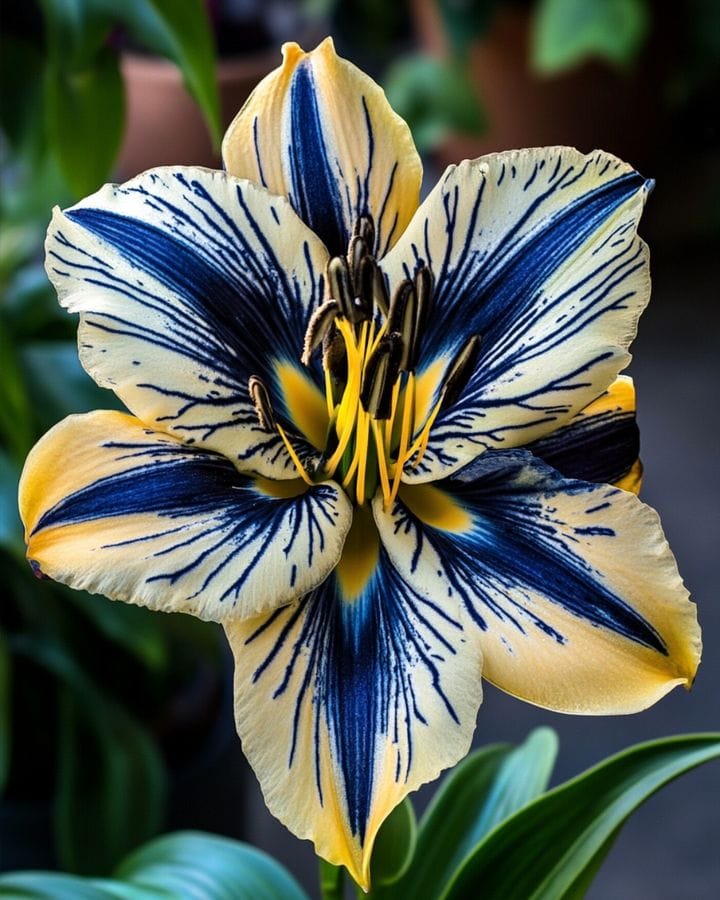
The Blue and Yellow Columbine (Aquilegia ‘Blue Star’) is a captivating perennial known for its distinctive, bi-colored flowers. With its graceful, nodding blooms in shades of blue and yellow, this flower adds a charming and whimsical touch to any garden. The combination of delicate petals and fern-like foliage makes it an ideal choice for creating enchanting, nature-inspired garden displays.
The Blue Star variety stands out with its striking blue petals and bright yellow centers, offering a vibrant contrast that is both elegant and cheerful. These flowers are perfect for bringing a pop of color to your garden and are ideal for cutting arrangements, thanks to their beauty and delicate form.
Growing Conditions for Blue and Yellow Columbine
To cultivate Blue and Yellow Columbine successfully, meeting their light, water, soil, and temperature needs is essential. Here’s what you need to know:
Light: Partial Shade to Full Sun
The Blue and Yellow Columbine thrives in partial shade to full sun, though in hotter climates, it benefits from afternoon shade to protect the flowers from intense sunlight. Providing this shade helps maintain the plant’s delicate blooms and prevents the petals from burning. In cooler climates, full sun is often acceptable, but a balance between sunlight and shade will ensure the best blooms.
Watering: Keep Soil Consistently Moist but Well-Drained
This plant prefers soil that is kept consistently moist but well-drained. Regular watering is necessary, especially during dry spells, to maintain even moisture levels. However, it’s important not to overwater, as waterlogged soil can cause root rot. To prevent this, ensure the soil has good drainage, either by planting in raised beds or by amending the soil with organic matter to improve its texture.
Soil: Well-Draining, Loamy Soil with Slightly Acidic to Neutral pH
Blue and Yellow Columbine thrives in well-draining, loamy soil that is rich in organic matter. This type of soil provides the necessary nutrients while ensuring that excess water drains away from the roots. The plant prefers a slightly acidic to neutral pH (between 6.0 and 7.0), so consider testing your soil and amending it if needed. Adding compost can also help boost the soil’s fertility and structure.
Temperature: Ideal Range 60-75°F (16-24°C)
This columbine variety does best in moderate temperatures between 60-75°F (16-24°C). Blue and Yellow Columbine is hardy in USDA zones 3-9, meaning it can tolerate cooler climates and will perform well in many temperate regions. It’s ideal for regions with mild to cool summers, though it can adapt to warmer climates if provided with some afternoon shade.
Humidity: Moderate Humidity with Good Air Circulation
Moderate humidity is preferred, and it’s important to ensure good air circulation around the plant to help prevent fungal issues. Columbines can be susceptible to diseases like powdery mildew, so keeping the plant healthy by spacing them properly and avoiding overcrowding will help maintain optimal air flow and reduce disease risk.
Care Tips for Blue and Yellow Columbine
To ensure your Blue and Yellow Columbine thrives, follow these care tips:
Fertilizing: Early Spring Application
In early spring, apply a balanced, water-soluble fertilizer (such as 10-10-10 or 20-20-20) to support new growth and encourage blooming. It’s essential to avoid over-fertilizing, as this can lead to excessive foliage growth at the expense of flowers. Fertilize only once in early spring, as the plant does not require frequent feeding.
Pruning: Deadheading and Cutting Back After Flowering
To keep the plant looking tidy and encourage continuous blooming, deadhead spent flowers regularly. This helps prevent self-seeding and keeps the plant focused on producing new flowers. After the blooming period, cut back the plant to promote healthy growth and maintain a neat appearance. Pruning can also help extend the lifespan of the plant and prevent it from becoming leggy.
Pests and Diseases: Watch for Aphids and Fungal Issues
Keep an eye out for pests such as aphids and leaf miners, which can affect the plant’s health. If an infestation occurs, treat it with an appropriate insecticide or natural remedies like neem oil. Additionally, powdery mildew is a common fungal disease in Columbines, so apply fungicides if necessary and ensure good air circulation around the plant to minimize the risk.
Arrangement Tips for Blue and Yellow Columbine
Blue and Yellow Columbine flowers are lovely as cut flowers, and their unique color combination makes them stand out in arrangements.
Vase Choice: Simple, Elegant Containers
For showcasing the delicate beauty of Blue and Yellow Columbine, opt for a clear glass vase or a rustic container. A simple vase allows the intricate details of the flowers to shine. The light blue petals and contrasting yellow centers will look stunning against a neutral backdrop, highlighting their vibrant charm.
Arrangement Style: Loose, Natural Displays
Blue and Yellow Columbine flowers look best when arranged in a loose, natural style, reminiscent of their garden setting. A wildflower-inspired bouquet will allow their unique shapes and colors to be the focal point, creating an airy and whimsical atmosphere in any room.
Using Blue and Yellow Columbine in Your Garden
This plant’s bi-colored flowers make it a standout in any garden. Here are some ideas for incorporating Blue and Yellow Columbine into your landscape:
Shade Gardens: Since the plant thrives in partial shade, it’s perfect for planting under trees or along the edges of garden beds, where it can brighten up otherwise shaded spots.
Wildflower Gardens: The whimsical beauty of Blue and Yellow Columbine makes it an excellent choice for wildflower or naturalistic gardens, where its soft blooms complement other native plants.
Cut Flower Gardens: This columbine is not only beautiful in the garden but also makes a lovely cut flower for floral arrangements, bringing nature’s charm indoors.
Pollinator Gardens: The flowers attract hummingbirds and bees, making them a valuable addition to a pollinator-friendly garden.
Conclusion: A Whimsical and Charming Perennial
The Blue and Yellow Columbine (Aquilegia ‘Blue Star’) is a delightful addition to any garden, offering unique, bi-colored blooms and fern-like foliage. With its graceful appearance and charming flowers, it adds a touch of whimsy and elegance to shade and partially shaded areas. By following its basic care needs and providing proper attention, you can enjoy the beauty of this perennial for many years.
More Articles You Might Like
-
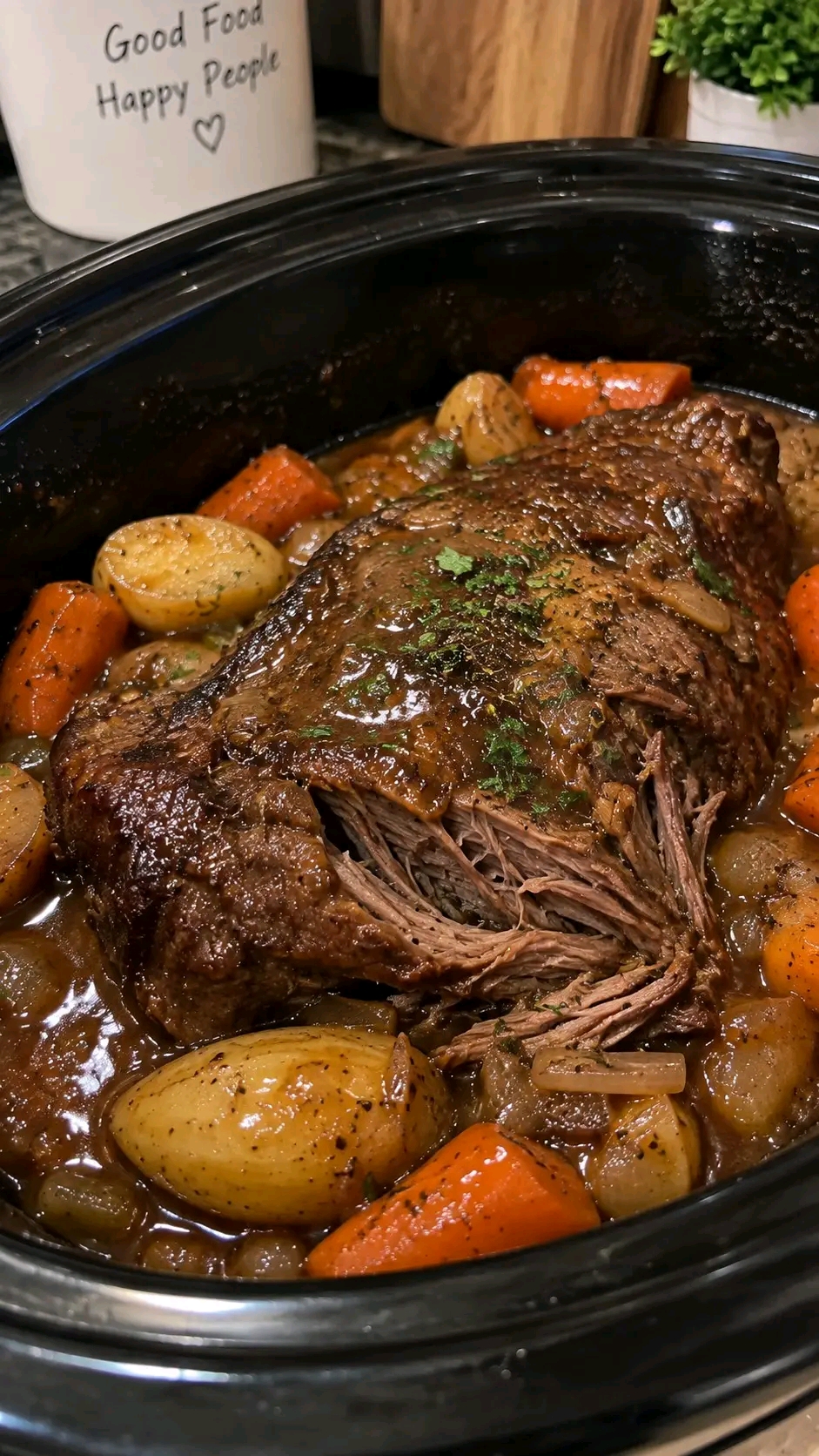
Slow Cooker Beef Pot Roast with Gravy
### Slow Cooker Beef Pot Roast with Gravy ### Introduction Slow Cooker Beef Pot Roast with Gravy is the perfect comfort food for anyone who loves tender beef, hearty vegetables, and rich, savory gravy. Slowly cooked for hours, the beef becomes wonderfully soft and flavorful, while the carrots, potatoes, onions, and garlic absorb…
-

Apple Fritter Bites
Apple Fritter Bites ### Introduction Apple Fritter Bites are sweet, golden little treats packed with tender apple pieces, warm cinnamon, and a soft, fluffy interior. They bring all the comforting flavors of traditional apple fritters into a fun, bite-sized dessert that’s perfect for breakfast, afternoon snacks, holiday gatherings, or a cozy weekend at…
-
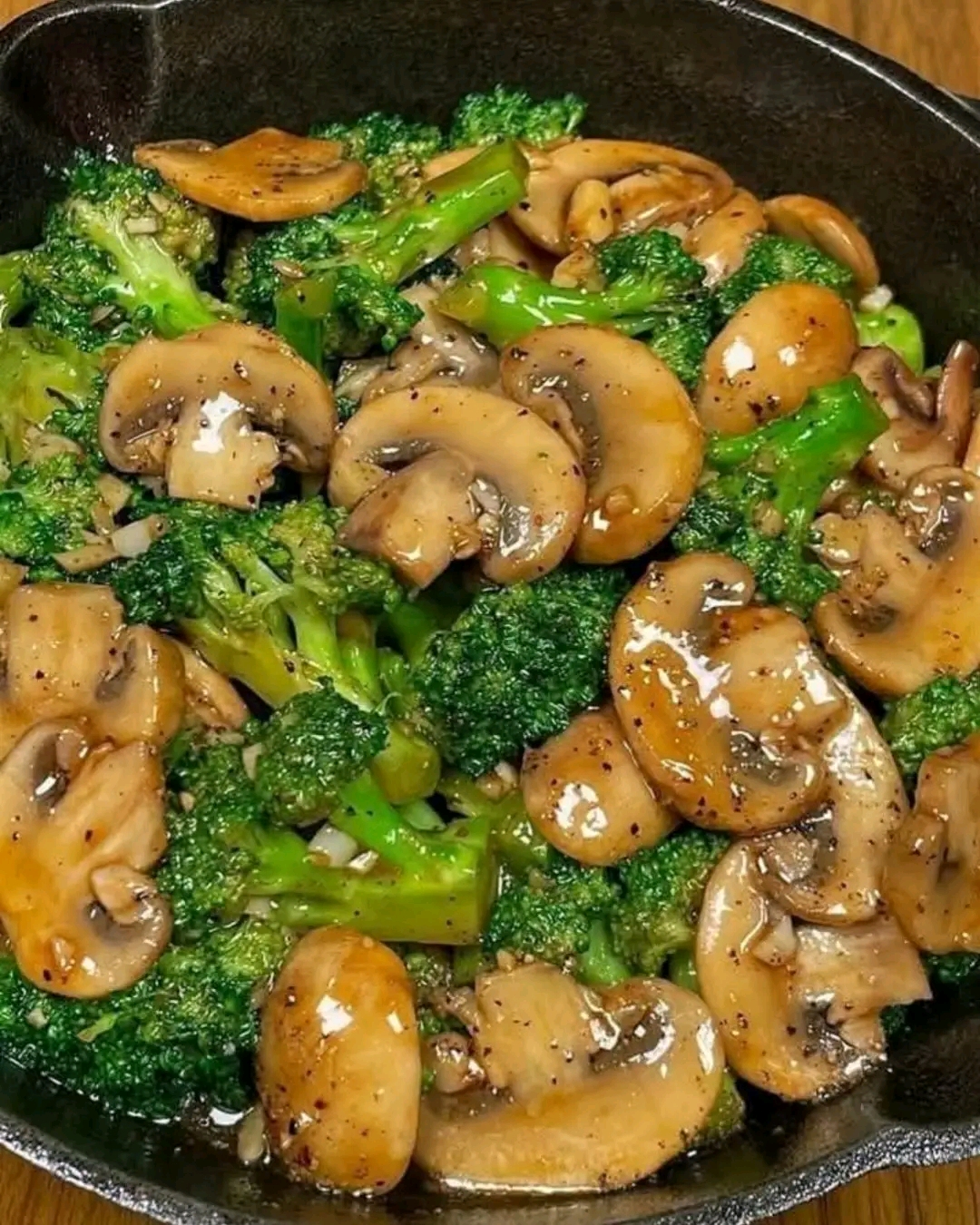
Healthy Broccoli and Mushroom Skillet in
### Healthy Broccoli and Mushroom Skillet in 15 Minutes ### Introduction If you’re looking for a quick, healthy, and delicious meal, this Broccoli and Mushroom Skillet is the perfect choice! Made with fresh broccoli, tender mushrooms, garlic, and a few simple seasonings, this colorful vegetable dish is packed with flavor and comes together…