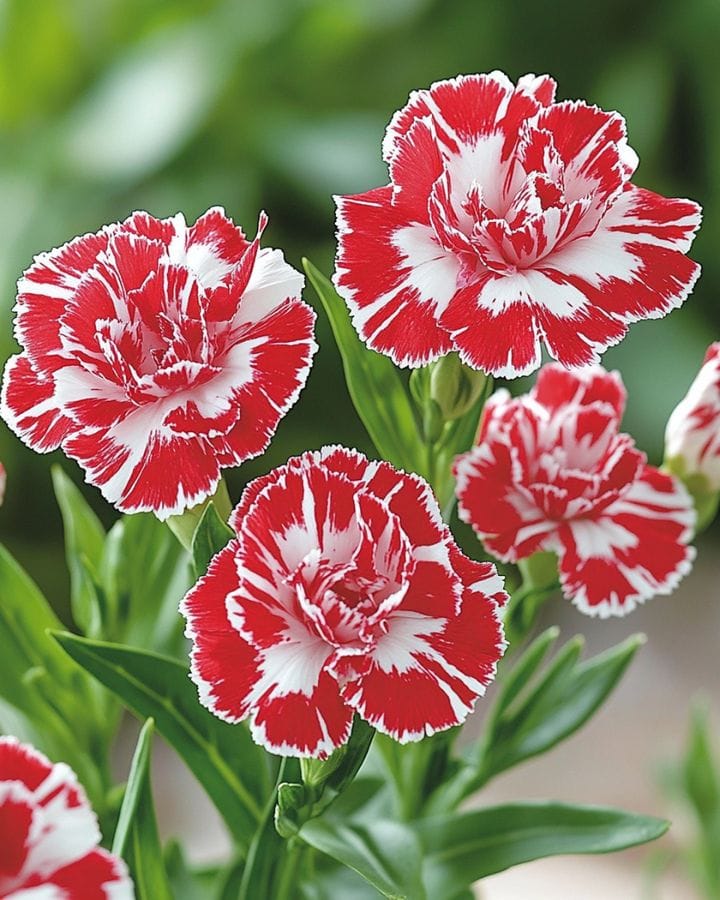
If you’re looking to add a touch of classic beauty and delightful fragrance to your garden, look no further than Dianthus, commonly known as carnations or pinks. These charming flowers are not only stunning in their vibrant hues but also offer a wonderful scent that will enhance any space. With their ruffled petals, intricate patterns, and a wide range of colors, Dianthus is a favorite for gardeners and flower enthusiasts alike.
In this article, we’ll explore the care requirements and tips for growing Dianthus flowers, ensuring they thrive and bring joy to your garden or floral arrangements.
The Allure of Dianthus Flowers
Dianthus flowers are cherished for their fragrance and beautifully ruffled petals. These perennial beauties come in a variety of colors including shades of pink, red, white, and purple, and they often feature intricate patterns or delicate picotee edges—where the petal edges are a contrasting color, adding depth and uniqueness.
Whether you’re growing them for their striking appearance or their pleasant scent, Dianthus brings a classic charm to any garden. They can be grown in garden beds, containers, or used as cut flowers in bouquets and arrangements, making them a versatile option for any gardening space.
Ideal Growing Conditions for Dianthus
To ensure your Dianthus plants thrive and produce a stunning display of flowers, it’s important to provide them with the right growing conditions. Below are the essential care factors to keep in mind when cultivating these beloved flowers.
Light: Full Sun for Abundant Blooms
Dianthus plants thrive in full sun, ideally receiving 6-8 hours of direct sunlight daily. The more sunlight they get, the better they will bloom. However, they can tolerate light shade, but this may result in fewer flowers. Therefore, to get the most vibrant blooms, place your Dianthus in a location that enjoys plenty of sunlight throughout the day.
If you’re planting them in containers, make sure to place the pots in sunny spots where they’ll get adequate exposure to sunlight.
Watering: Consistent Moisture, but Well-Drained Soil
Dianthus flowers prefer consistently moist soil, but they are prone to root rot if the soil is too soggy. To avoid waterlogging, ensure the soil is well-draining. It’s important to water your Dianthus regularly, but allow the top inch of soil to dry out between waterings. This helps prevent overwatering while ensuring the plants receive enough moisture to thrive.
In containers, make sure the pots have adequate drainage holes to prevent water from pooling at the bottom. If you’re planting them in the ground, amend the soil with compost or organic matter to improve drainage and keep the roots healthy.
Soil: Rich and Well-Draining for Strong Growth
Dianthus prefers well-draining soil rich in organic matter. A mix of compost and garden soil is ideal as it enhances drainage and provides the essential nutrients needed for healthy growth. The soil should not be too heavy or clayey, as it can trap moisture around the roots, leading to potential root rot.
If you’re growing Dianthus in pots, choose a high-quality potting mix designed for flowers or perennials. Adding a layer of gravel or small stones at the bottom of the pot can also help improve drainage.
Temperature: Cool to Moderate Climates
Dianthus thrives in temperatures between 55-75°F (13-24°C). These flowers can tolerate cooler temperatures and are often seen blooming in early spring or fall, making them a great choice for cooler climates. However, they may need protection from frost, especially in regions where winters get too cold.
If you’re growing Dianthus in an area with extremely cold temperatures, consider bringing the plants indoors or using frost covers during the colder months. They can also be planted in containers, allowing you to move them to a more protected area when needed.
Humidity: Low to Moderate for Healthier Growth
Dianthus flowers prefer low to moderate humidity levels. These plants thrive in areas with good air circulation, as high humidity can increase the risk of fungal diseases. If you’re growing them indoors, ensure the area is well-ventilated, and avoid placing them in overly humid rooms like bathrooms.
When growing Dianthus outdoors, make sure the plants have enough space between them to allow air to circulate, especially if you’re planting them in beds or borders.
Care Tips for Healthy Dianthus Flowers
Dianthus is relatively easy to care for, but following a few key care tips will ensure your plants remain healthy and vibrant year after year.
Fertilization: Give Them a Boost in Early Spring
Dianthus plants benefit from fertilization in early spring when new growth begins to emerge. Applying a balanced fertilizer, such as a 10-10-10 formula, helps provide the necessary nutrients for healthy blooms. After the flowers have finished blooming, you can apply the fertilizer again to encourage new growth.
When fertilizing, follow the manufacturer’s instructions for application rates to avoid overfeeding, which could harm the plant.
Pruning: Keep Them Neat and Blooming
Deadheading spent blooms regularly is essential to encourage continuous flowering. Removing faded flowers prevents the plant from putting energy into seed production and redirects it to more blooms. After the blooming period, you can cut back the plant to promote new growth and maintain its shape. Trim back any leggy or damaged stems, and your Dianthus will reward you with fresh, healthy foliage and more flowers in the future.
Pest Control: Keep an Eye Out for Common Garden Pests
Dianthus can occasionally attract pests such as aphids, spider mites, and slugs. These pests can damage the plant and hinder its growth, so it’s important to regularly inspect your plants for signs of infestation. If you spot pests, treat the plants with an appropriate insecticide or use natural remedies like neem oil to help keep the problem under control.
Slugs can also be a problem, so be vigilant about checking for them and removing them manually or using slug bait.
Using Dianthus in Your Garden
Dianthus flowers are incredibly versatile and can be used in a variety of garden settings.
Flower Beds: Plant them in sunny spots in your flower beds for a vibrant and fragrant display. Their compact size makes them perfect for borders and edges.
Containers and Pots: Dianthus does well in containers, which can be placed on patios, balconies, or windowsills for a pop of color and fragrance.
Cut Flower Arrangements: These flowers make excellent additions to floral arrangements due to their beautiful colors and delightful scent. They can be used in bouquets for weddings, parties, or any occasion.
Conclusion: A Classic Beauty for Your Garden
Dianthus flowers are the perfect addition to any garden or floral display. Their vibrant colors, delightful fragrance, and simple care requirements make them a favorite among gardeners of all levels. Whether you’re growing them in the garden, in containers, or using them in arrangements, Dianthus brings classic beauty and charm wherever it’s planted.
By providing them with the right care, including plenty of sunlight, consistent watering, and well-drained soil, you can enjoy these stunning flowers year after year.
🌸✨
More Articles You Might Like
-

Slow Cooker Beef Pot Roast with Gravy
### Slow Cooker Beef Pot Roast with Gravy ### Introduction Slow Cooker Beef Pot Roast with Gravy is the perfect comfort food for anyone who loves tender beef, hearty vegetables, and rich, savory gravy. Slowly cooked for hours, the beef becomes wonderfully soft and flavorful, while the carrots, potatoes, onions, and garlic absorb…
-

Apple Fritter Bites
Apple Fritter Bites ### Introduction Apple Fritter Bites are sweet, golden little treats packed with tender apple pieces, warm cinnamon, and a soft, fluffy interior. They bring all the comforting flavors of traditional apple fritters into a fun, bite-sized dessert that’s perfect for breakfast, afternoon snacks, holiday gatherings, or a cozy weekend at…
-

Healthy Broccoli and Mushroom Skillet in
### Healthy Broccoli and Mushroom Skillet in 15 Minutes ### Introduction If you’re looking for a quick, healthy, and delicious meal, this Broccoli and Mushroom Skillet is the perfect choice! Made with fresh broccoli, tender mushrooms, garlic, and a few simple seasonings, this colorful vegetable dish is packed with flavor and comes together…