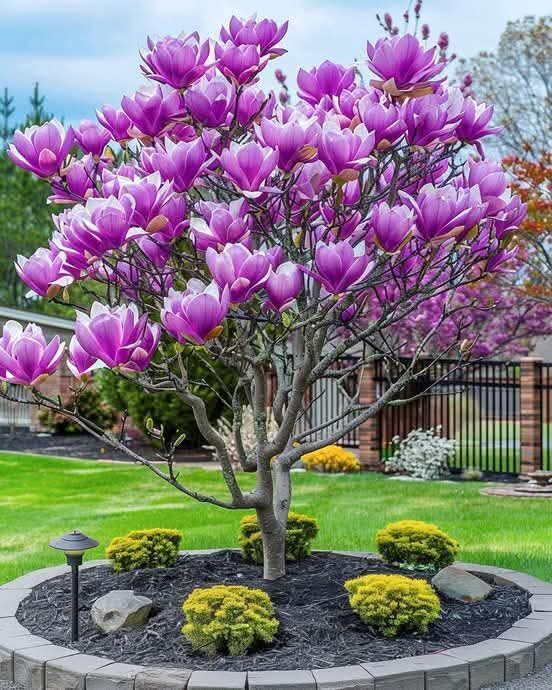
The Saucer Magnolia (Magnolia × soulangeana) is one of the most breathtaking trees to bloom in early spring. Known for its large, cup-shaped flowers in shades of pink, purple, and white, this hybrid magnolia is a must-have for any garden. Its delicate petals open up like a blossoming cup of beauty, creating an enchanting landscape filled with color and fragrance.
In this article, we will dive into everything you need to know about growing, caring for, and enjoying Saucer Magnolias in your garden.
Why Choose Saucer Magnolia?
The Saucer Magnolia is cherished by gardeners for several reasons:
✔ Early Spring Blooms – One of the first trees to bloom in late winter or early spring, often before leaves appear.
✔ Low Maintenance – Once established, it requires little care.
✔ Compact Growth – Ideal for small gardens, patios, and urban landscapes.
✔ Attracts Pollinators – Bees and butterflies love the fragrant flowers.
✔ Seasonal Interest – Blooms in spring, has lush green foliage in summer, and golden-brown leaves in fall.
Saucer Magnolias are deciduous hybrid trees, created in the early 19th century by French botanist Étienne Soulange-Bodin. Today, they are among the most popular flowering trees in the world.
Growing Conditions for Saucer Magnolia
- Light Requirements
Prefers full sun (6+ hours daily) for the best flowering.
Can tolerate partial shade, but blooms may be less abundant.
- Watering Needs
Water regularly during the first few years to establish deep roots.
Deep watering once a week is ideal, especially in dry weather.
Avoid waterlogged soil, as magnolias dislike soggy roots.
- Soil Preferences
Prefers well-draining, slightly acidic to neutral soil (pH 5.5-7.0).
Grows well in loamy, sandy, or clay soils as long as drainage is good.
Adding mulch around the base helps retain moisture and regulate temperature.
- Temperature & Humidity
Best suited for temperatures between 60-75°F (16-24°C).
Hardy in USDA Zones 4-9, making it adaptable to a variety of climates.
Can tolerate moderate humidity but dislikes hot, dry conditions.
- Fertilizing Tips
Use a slow-release balanced fertilizer (10-10-10) in early spring.
Organic compost can help enrich the soil naturally.
Avoid excessive nitrogen, as it promotes leaf growth at the expense of flowers.
- Pruning & Maintenance
Requires minimal pruning.
Remove dead, weak, or crossed branches after flowering.
If shaping is needed, prune in late summer or fall to prevent sap loss.
Blooming Time & Flower Characteristics
One of the biggest attractions of the Saucer Magnolia is its magnificent flowers.
✔ Bloom Time: Late winter to early spring (February-April).
✔ Flower Size & Shape: Large tulip-shaped blossoms, up to 10 inches wide.
✔ Colors: Shades of pink, purple, and white with soft, velvety petals.
✔ Fragrance: Light, sweet scent that attracts pollinators.
✔ Bloom Duration: Flowers last 1-2 weeks, but successive blooms can extend the display.
💡 Tip: Protect buds from late frosts by covering the tree with a breathable fabric on cold nights.
Landscaping Ideas for Saucer Magnolia
Saucer Magnolias make a bold statement in any garden. Here are some ways to use them in landscaping:
✔ Front Yard Accent Tree – Plant near an entrance for a stunning spring display.
✔ Garden Centerpiece – Creates a breathtaking focal point in small gardens.
✔ Seasonal Border – Plant alongside cherry blossoms or dogwoods for a layered effect.
✔ Japanese-Inspired Gardens – Complements stone paths, koi ponds, and maples.
✔ Potted Tree Option – Dwarf cultivars like ‘Jane’ or ‘Ann’ thrive in large containers.
Common Problems & How to Fix Them
✔ Yellowing Leaves?
Could be a sign of overwatering or poor drainage.
Improve soil aeration and reduce watering frequency.
✔ Few or No Blooms?
Tree may be too young (they start blooming at 3-5 years old).
Ensure it gets enough sunlight (at least 6 hours daily).
✔ Frost-Damaged Buds?
Late frost can damage flower buds. Choose a sheltered planting spot or cover with fabric on cold nights.
✔ Pest Infestations?
Generally pest-resistant, but can occasionally get aphids or scale insects.
Use neem oil or insecticidal soap if necessary.
Why You’ll Love Saucer Magnolia in Your Garden
The Saucer Magnolia is a tree that delights year after year with its graceful form and vibrant blooms. Whether you’re looking for a statement tree or a romantic garden addition, this magnolia is the perfect choice.
✔ Thrives in most climates
✔ Low-maintenance and easy to grow
✔ Dazzling spring flowers in pink, purple, and white
✔ Attracts pollinators & enhances garden biodiversity
💡 Tip: Plant it in a sunny, sheltered spot and watch it bloom into a majestic masterpiece!
Conclusion
If you love breathtaking spring blooms, the Saucer Magnolia is a tree you don’t want to miss. With its delicate petals, sweet fragrance, and easy maintenance, it’s an excellent addition to any garden.
🌸 Have you grown a Saucer Magnolia? Share your experience in the comments below! 🌸