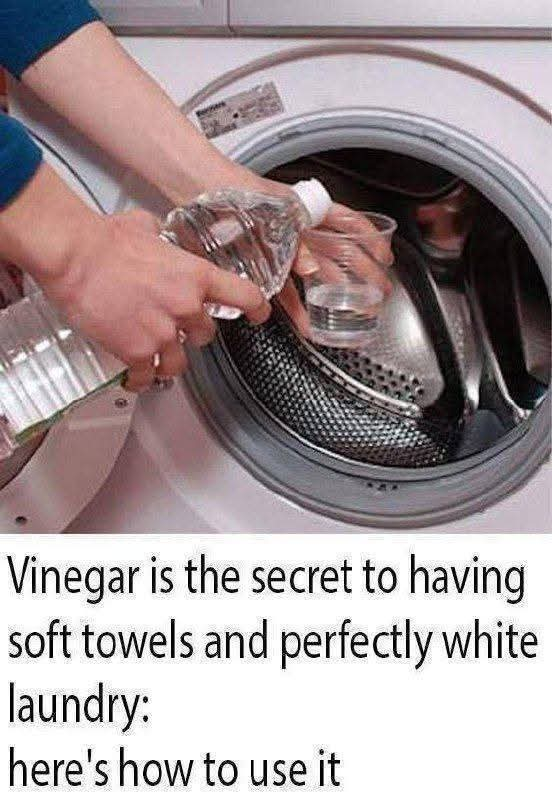
When it comes to laundry, most of us rely on detergents, fabric softeners, and bleach to keep our clothes clean, fresh, and soft. But what if I told you that one simple, inexpensive ingredient sitting in your kitchen could outperform many store-bought products? The secret weapon is white vinegar.
This natural household staple isn’t just for cooking—it’s also one of the most powerful and eco-friendly laundry aids you can use. From softening towels to brightening whites and even cleaning your washing machine, vinegar is the all-in-one solution you didn’t know you needed.
In this article, we’ll explore why vinegar works, how to use it correctly in your laundry, and extra hacks that will save you money while making your clothes and linens look better than ever.
Why Vinegar Works in Laundry
Vinegar contains acetic acid, which is strong enough to dissolve soap residue, mineral deposits, and detergent build-up, but gentle enough that it won’t damage fabrics. Here’s why it’s so effective:
Softens Towels Naturally: Over time, towels get stiff because of detergent and fabric softener residue. Vinegar dissolves this build-up, restoring fluffiness.
Brightens Whites: Vinegar helps remove dingy discoloration and prevents fabrics from yellowing.
Neutralizes Odors: Sweaty gym clothes, musty towels, or smoky fabrics all smell fresh again after a vinegar wash.
Preserves Colors: Unlike harsh chemicals, vinegar is gentle and helps keep colors vibrant.
Removes Detergent Residue: Great for people with sensitive skin since it prevents irritation caused by soap build-up.
Cleans the Washing Machine: Vinegar also disinfects and deodorizes the inside of your washer.
How to Use Vinegar in Laundry
Here’s the “recipe” for using vinegar to get the softest towels and brightest whites:
1. For Soft Towels
Add ½ to 1 cup of white vinegar directly to the fabric softener compartment of your washing machine.
Wash as usual.
Skip the commercial fabric softener—vinegar does the job naturally.
2. For Bright Whites
Add 1 cup of white vinegar to the wash cycle with your detergent.
For extra dingy items, soak clothes in a mixture of 1 gallon hot water + 1 cup vinegar for an hour before washing.
3. To Remove Odors
Add 1 cup of vinegar during the rinse cycle.
Perfect for towels, workout clothes, or clothes left in the washer too long.
4. For Cleaner Laundry Loads
Add ½ cup vinegar with your regular detergent to each wash.
Prevents detergent build-up, keeping fabrics fresh and soft.
5. To Clean Your Washing Machine
Run an empty cycle with 2 cups of vinegar instead of detergent.
This dissolves soap scum, kills bacteria, and freshens the drum.
Important Tips When Using Vinegar in Laundry
Always Use White Distilled Vinegar: Apple cider vinegar may stain fabrics.
Don’t Mix Vinegar with Bleach: This creates dangerous chlorine gas.
Use the Right Amount: Too much vinegar can leave a sour smell (which fades after drying).
Safe for Most Fabrics: But avoid using vinegar on delicate silks or very dark clothing too often.
Extra Laundry Hacks with Vinegar
Vinegar isn’t just for towels and whites. Here are a few more hacks:
Static Control: Add ½ cup vinegar to the rinse cycle to reduce static cling.
Iron Cleaner: Heat vinegar in a spray bottle and spray onto an old towel—run your iron over it to remove mineral build-up.
Wrinkle Release: Lightly mist wrinkled clothes with a vinegar + water spray (1:3 ratio) before ironing.
Pet Hair Remover: Wash clothes with ½ cup vinegar to loosen pet hair and lint.
Mildew Fighter: For musty-smelling towels, soak in hot water and 1 cup vinegar before washing.
Why Vinegar Is Better Than Store-Bought Softeners
Fabric softeners may smell nice, but they coat your fabrics in waxy chemicals that reduce absorbency—especially in towels. Over time, this makes them stiff and less effective. Vinegar not only softens naturally but also helps maintain absorbency, making towels fluffy and functional again. Plus, vinegar is:
Eco-Friendly: No harmful chemicals washed down the drain.
Cost-Effective: A gallon costs less than most laundry products.
Safe for Sensitive Skin: No artificial fragrances or dyes.
Final Thoughts
If you want soft towels, bright whites, and fresh-smelling laundry without harsh chemicals, vinegar is the answer. This all-natural solution is affordable, effective, and eco-friendly. It’s one of those old-fashioned tricks that really works, and once you try it, you may never go back to commercial fabric softeners or whiteners again.
So next time you do laundry, grab that bottle of vinegar from your pantry—it just might be the best laundry hack you’ll ever use.
More Articles You Might Like
-

Zero-Carb-Style Quick Vegetable Recipe
Zero-Carb-Style Quick Vegetable Recip Introduction Looking for something quick, flavorful, and satisfying? This easy vegetable dish is designed as a light, simple option for busy days. With fresh ingredients and minimal preparation, it can be enjoyed as a side dish or adapted into a more complete meal. Origin Quick vegetable dishes…
-

Detox Cabbage Vegetable Soup
Detox Cabbage Vegetable Sou Introduction Detox Cabbage Vegetable Soup is a warm, comforting bowl packed with cabbage, carrots, celery, tomatoes, and aromatic herbs. It’s light yet satisfying, making it a wonderful choice for a simple lunch, cozy dinner, or vegetable-rich side dish. Origin Cabbage-based vegetable soups have appeared in many cuisines…
-

Family-Favorite Homemade Cookies
Family-Favorite Homemade Cookie Introduction Few things are more comforting than a batch of freshly baked homemade cookies. These cookies are golden around the edges, soft and tender in the center, and packed with the kind of nostalgic flavor that makes everyone reach for “just one more.” It’s no surprise that they quickly…