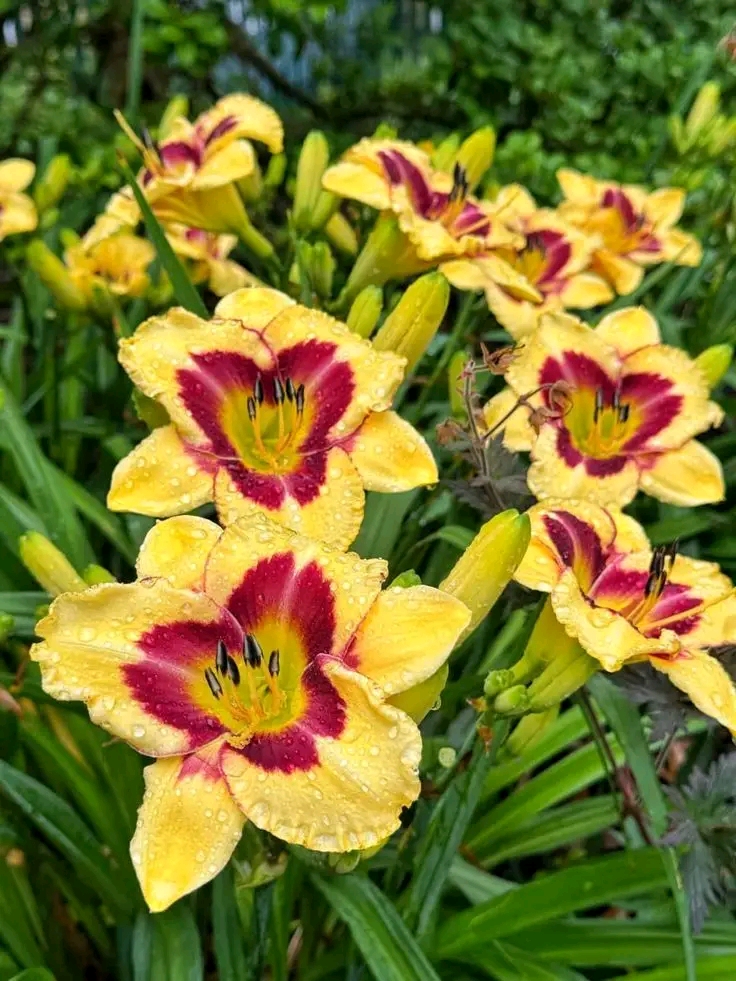
Few flowers can match the charm and reliability of daylilies. With their vibrant blooms, easygoing nature, and incredible adaptability, they’ve earned a place in gardens around the world. The bicolor variety — with sunny yellow petals and a striking maroon throat — is particularly eye-catching, turning any flower bed into a painter’s palette of color.
If you’re dreaming of adding these beauties to your garden, here’s your complete guide to planting, caring for, and enjoying bicolor daylilies year after year.
🌱 About Daylilies
Daylilies (Hemerocallis) are perennial flowering plants known for their short-lived but spectacular blooms — each flower typically lasts just one day, but the plant produces many buds over the season. Despite their name, daylilies aren’t true lilies; they belong to a different plant family and are known for their resilience and adaptability.
Bicolor daylilies, like the variety pictured above, add an extra layer of visual intrigue with contrasting colors that pop against lush green foliage.
🛒 Choosing the Right Location
Daylilies are low-maintenance, but they’ll reward you with more blooms and stronger growth if you choose the right spot.
Sunlight: At least 6 hours of direct sun daily. In hot climates, a little afternoon shade can help keep blooms fresh.
Soil: Well-draining, loamy soil is ideal, but daylilies will tolerate clay and sandy soils as long as they’re not waterlogged.
Spacing: Space plants 18–24 inches apart to allow for healthy growth and airflow.
🌸 Planting Bicolor Daylilies
When to Plant
Spring or early fall is best, giving roots time to establish before extreme weather.
How to Plant
Prepare the soil: Loosen it to a depth of about 12 inches and mix in compost or aged manure for added nutrients.
Dig the hole: Large enough to fit the roots without bending them.
Planting depth: The crown (where leaves meet roots) should sit just 1 inch below the soil surface.
Backfill & water: Gently firm the soil and water thoroughly to eliminate air pockets.
💧 Watering & Feeding
Watering: Once established, daylilies are drought-tolerant, but they bloom best with regular moisture — about 1 inch of water per week during active growth.
Feeding: Apply a balanced fertilizer (10-10-10) in spring and again after the first bloom cycle for extended flowering.
✂️ Maintenance & Deadheading
Deadheading: Remove spent flowers daily to encourage new blooms.
Cutting back foliage: In late fall, trim leaves to about 4–6 inches. This helps prevent pests and diseases from overwintering.
Dividing: Every 3–5 years, divide overcrowded clumps in early spring or fall to maintain vigor.
🐝 Pollinators & Pests
Pollinator-friendly: Daylilies attract bees, butterflies, and even hummingbirds.
Pests: Generally pest-resistant, but keep an eye out for aphids, thrips, or slugs. Treat with insecticidal soap if needed.
🌟 Why Gardeners Love Bicolor Daylilies
Bold Color Contrast — The sunny yellow petals and rich maroon center are a visual feast.
Low Maintenance — Perfect for beginners and busy gardeners.
Long Bloom Season — Many hybrids bloom from early summer into fall.
Versatile Landscaping — Works well in borders, mass plantings, and even containers.
🪴 Overwintering
In most climates (zones 3–9), daylilies overwinter without special protection. In very cold areas, mulch heavily around the base after the ground freezes to protect the roots.
🌼 Final Thoughts
If you want a plant that delivers high impact with minimal fuss, bicolor daylilies are hard to beat. Their cheerful blooms and easy care make them a favorite for gardeners of all experience levels. Plant them once, and they’ll return year after year, rewarding you with a splash of sunshine and a pop of color that’s impossible to ignore.
More Articles You Might Like
-

Zero-Carb-Style Quick Vegetable Recipe
Zero-Carb-Style Quick Vegetable Recip Introduction Looking for something quick, flavorful, and satisfying? This easy vegetable dish is designed as a light, simple option for busy days. With fresh ingredients and minimal preparation, it can be enjoyed as a side dish or adapted into a more complete meal. Origin Quick vegetable dishes…
-

Detox Cabbage Vegetable Soup
Detox Cabbage Vegetable Sou Introduction Detox Cabbage Vegetable Soup is a warm, comforting bowl packed with cabbage, carrots, celery, tomatoes, and aromatic herbs. It’s light yet satisfying, making it a wonderful choice for a simple lunch, cozy dinner, or vegetable-rich side dish. Origin Cabbage-based vegetable soups have appeared in many cuisines…
-

Family-Favorite Homemade Cookies
Family-Favorite Homemade Cookie Introduction Few things are more comforting than a batch of freshly baked homemade cookies. These cookies are golden around the edges, soft and tender in the center, and packed with the kind of nostalgic flavor that makes everyone reach for “just one more.” It’s no surprise that they quickly…