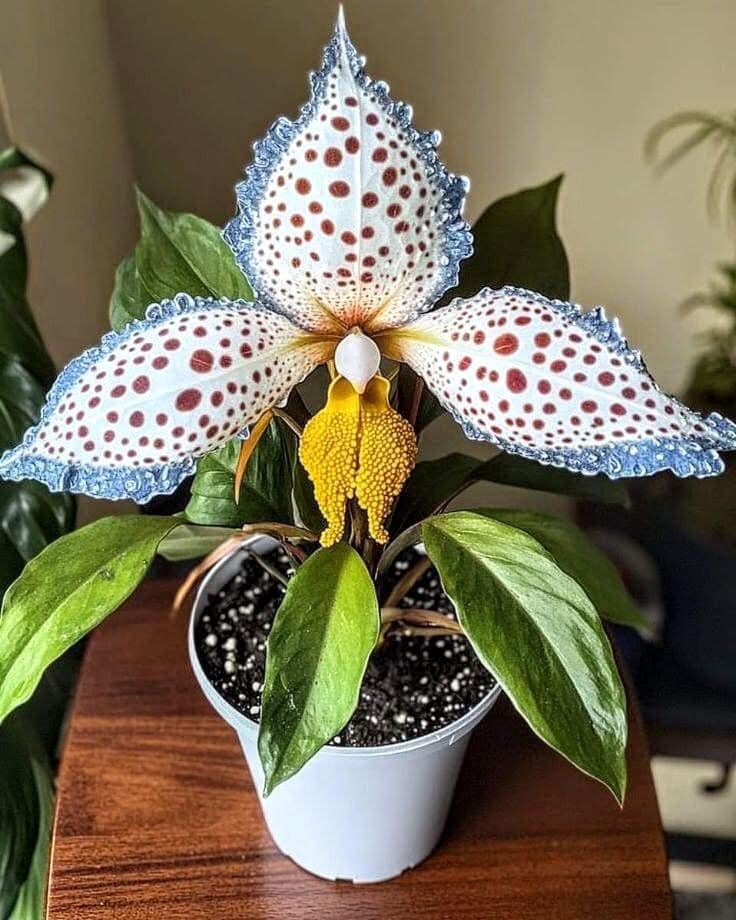
Cattleya orchids are among the most breathtaking flowers in the plant world, known for their vibrant hues, ruffled petals, and enchanting fragrance. Among them, the Red, White, and Pink Cattleya Orchids stand out with their striking color contrast and delicate beauty. Whether grown indoors or outdoors, these orchids add a touch of elegance to any space. In this guide, we’ll explore everything you need to know about caring for and maintaining these stunning blooms.
The Beauty of Red, White, and Pink Cattleya Orchids
The mesmerizing combination of red, white, and pink hues in Cattleya orchids makes them a captivating centerpiece in any floral arrangement or garden. Their large, ruffled petals create an exquisite visual appeal, while their sweet fragrance adds a touch of nature’s perfume to your home. These orchids are perfect for decorating patios, balconies, and garden beds, or as a striking addition to an indoor orchid collection.
Growing and Caring for Cattleya Orchids
To ensure that your Red, White, and Pink Cattleya Orchids thrive and produce beautiful blooms, it is important to provide them with the right growing conditions. Here’s a comprehensive care guide:
1. Light Requirements
Cattleya orchids flourish in bright, indirect light. They prefer partial shade and should be protected from harsh direct sunlight, which can scorch their delicate petals. If growing indoors, place them near an east- or west-facing window where they can receive filtered sunlight.
2. Watering Routine
Maintaining the right moisture level is key to keeping your orchids healthy. Follow these watering tips:
- Water when the potting medium starts to dry out, typically once every 5-7 days.
- Avoid overwatering, as stagnant water can lead to root rot.
- Ensure that the pot has good drainage to prevent excess water retention.
3. Best Soil for Cattleya Orchids
Cattleya orchids require a well-draining potting mix to thrive. A mix containing bark, perlite, and sphagnum moss works best. Avoid using regular potting soil, as it retains too much moisture and can suffocate the roots.
4. Ideal Temperature and Humidity
- Cattleya orchids thrive in warm, humid conditions.
- Maintain temperatures between 65-85°F (18-29°C).
- Keep humidity levels at 50-70% by misting the leaves occasionally or using a humidity tray.
5. Fertilizing for Healthy Blooms
To encourage vibrant and frequent blooming, feed your orchids with a balanced orchid fertilizer every 2 weeks during the growing season. A 20-20-20 formula diluted to half strength is ideal. Reduce feeding in the winter months when the plant enters a resting phase.
6. Repotting and Propagation
- Repot your orchids every 2-3 years, or when the potting mix breaks down.
- Use a slightly larger pot to accommodate growth but avoid an excessively large container.
- Propagate Cattleya orchids through division, ensuring each section has at least three healthy pseudobulbs.
Encouraging Blooms
Cattleya orchids bloom once or twice a year, producing large, showy flowers that last for weeks. To encourage blooming:
- Provide 12-14 hours of light daily.
- Maintain consistent temperatures without sudden fluctuations.
- Reduce watering slightly during the winter to promote bud formation.
- Avoid excessive nitrogen fertilization, which can lead to lush foliage but fewer flowers.
Common Issues and Solutions
Despite being relatively low-maintenance, Cattleya orchids can encounter some problems. Here’s how to address them:
1. Yellowing Leaves
Cause: Overwatering, poor drainage, or too much direct sunlight. Solution: Adjust watering frequency, improve drainage, and move the plant to a shaded area.
2. Lack of Blooms
Cause: Insufficient light, improper fertilization, or lack of seasonal temperature variation. Solution: Increase light exposure, use a phosphorus-rich fertilizer, and maintain slightly cooler temperatures at night.
3. Pests (Aphids, Mealybugs, Spider Mites)
Solution: Treat affected areas with insecticidal soap or neem oil. Regularly inspect your plant to prevent infestations.
Display and Styling Tips
Cattleya orchids make exquisite decorations both indoors and outdoors. Here are some creative ways to showcase their beauty:
Orchid Arrangements: Place them in decorative ceramic pots or baskets for an elegant display.
Hanging Orchids: Use hanging baskets for a stunning cascading effect.
Garden Feature: Grow them alongside ferns and tropical plants for a lush, exotic look.
Gift Plant: These orchids make wonderful gifts for birthdays, anniversaries, and special occasions.
Paphiopedilum Orchids: The Elegant Lady’s Slipper Orchid
In addition to Cattleya orchids, another fascinating orchid variety is the Paphiopedilum Orchid, also known as the Lady’s Slipper Orchid. These orchids are prized for their exotic beauty, featuring a distinctive pouch-shaped lip and unique spotted petals.
Growing Conditions for Paphiopedilum Orchids
Light: Indirect light or partial shade is ideal.
Temperature: Thrives in temperatures between 65°F to 80°F (18°C to 26°C).
Humidity: Requires high humidity levels to flourish.
Watering: Keep the potting medium consistently moist but avoid overwatering.
Soil: Use a well-draining mix of bark, perlite, and peat moss.
Paphiopedilum orchids make excellent indoor plants or can be grown in controlled greenhouse environments, where their exotic beauty can be appreciated year-round.
Conclusion
The Red, White, and Pink Cattleya Orchids, along with the Paphiopedilum Orchid, are stunning additions to any orchid collection or garden. Their breathtaking colors, unique shapes, and delightful fragrances make them truly exceptional. With proper care, these orchids will reward you with vibrant blooms and long-lasting beauty, making them a prized feature in any plant lover’s home. Whether you prefer the bold elegance of Cattleya orchids or the delicate charm of the Lady’s Slipper Orchid, these plants will bring a touch of exotic sophistication to your space.
So why not start growing your own Cattleya and Paphiopedilum Orchids today? Their striking presence and mesmerizing flowers are sure to captivate anyone who lays eyes on them!
More Articles You Might Like
-

Southern Fried Green Tomatoes
Southern Fried Green Tomatoe Crispy, golden, tangy, and wonderfully comforting, fried green tomatoes are a classic Southern-inspired side dish or appetizer. Thick slices of firm green tomatoes are seasoned, coated in flour, egg, and cornmeal, then pan-fried until beautifully crisp on the outside while remaining pleasantly tender and tangy inside. Introduction Fried green tomatoes are…
-

Ribeye with Tuscan Rigatoni, Garlic
Ribeye with Tuscan Rigatoni, Garli Butter Dinner Rolls & Green Beans Introduction This ribeye dinner is the ultimate combination of juicy steak, creamy Tuscan-inspired rigatoni, tender green beans, and warm garlic-butter dinner rolls. The richness of the steak and pasta is balanced beautifully by crisp-tender green beans, making this a satisfying meal for…
-

Cultural Significance
Cultural Significanc Across many cultures, herbal drinks are associated with hospitality, seasonal comfort, and traditional approaches to everyday well-being. Ginger and turmeric are especially prominent in South Asian and Asian culinary traditions. Warm spiced beverages are also enjoyed across North Africa and the Middle East, where ingredients such as cinnamon, lemon, and fresh…