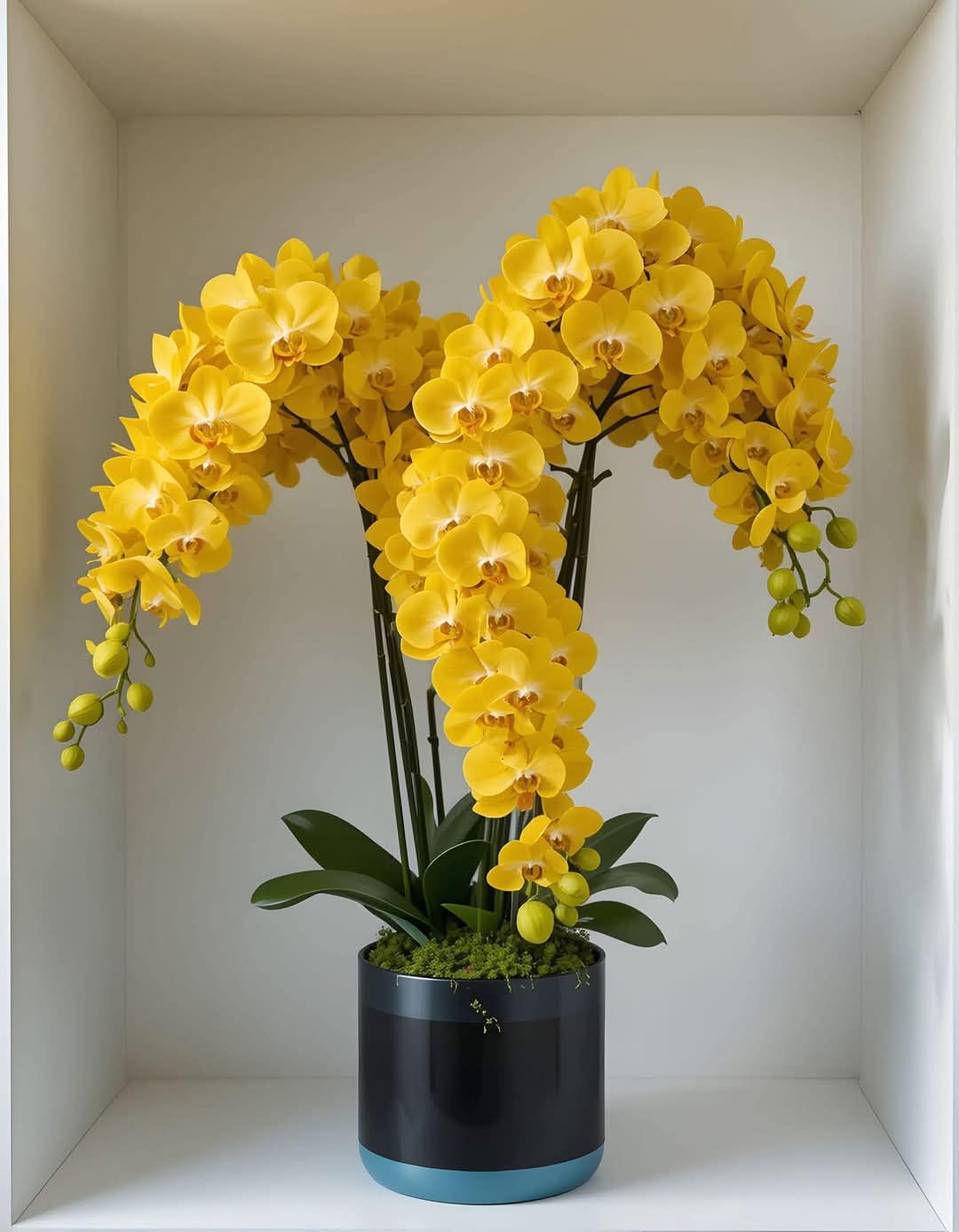
Phalaenopsis orchids, commonly known as Moth Orchids, are one of the most popular and beautiful orchids to grow at home. With their stunning blooms and elegant appearance, they can be a wonderful addition to any indoor space. To help your Phalaenopsis thrive, follow these essential care guidelines.
☀️ Light: Bright, Indirect Light is Key
Phalaenopsis orchids require the right amount of light to thrive, but they are sensitive to direct sunlight.
Optimal Light Conditions:
Bright, Indirect Light: These orchids do best when they receive bright, but indirect light. Direct sunlight can burn the leaves, while too little light will prevent blooming.
Best Locations: A window facing east or west is often ideal, as it allows for enough light without the harsh midday sun.
🌡️ Temperature: Warm with Cooler Nights
Phalaenopsis orchids are warm-weather plants and thrive in temperatures that mimic tropical climates.
Temperature Guidelines:
Daytime: They prefer daytime temperatures between 65-80°F (18-27°C).
Nighttime: Slightly cooler temperatures at night, around 60-65°F (15-18°C), help promote blooming.
Avoid Extreme Heat: Keep your orchids away from drafts, air conditioners, and heaters that can cause temperature fluctuations.
💧 Humidity: Moderate to High is Best
Phalaenopsis orchids enjoy high humidity, as they originate from tropical climates where moisture is abundant in the air.
Humidity Tips:
Ideal Humidity Range: Aim for a humidity level of 50-70%.
Increasing Humidity:
Humidifier: Using a humidifier in the room can help maintain the right humidity level.
Pebble Tray: Place the pot on a tray filled with pebbles and water (but make sure the pot isn’t sitting in the water). This helps increase humidity around the plant.
Misting: Occasionally misting the plant can also provide a moisture boost, especially in dry climates.
💦 Watering: Don’t Overwater!
Watering is one of the most important aspects of Phalaenopsis orchid care. Proper watering ensures healthy roots and vibrant blooms.
Watering Guidelines:
When to Water: Water thoroughly when the potting medium feels almost dry to the touch. Check the moisture level in the potting mix regularly.
Avoid Overwatering: Overwatering can lead to root rot, so make sure the orchid isn’t sitting in standing water.
Drainage: Ensure that the pot has proper drainage to allow excess water to escape. Use a pot with holes at the bottom to prevent water from accumulating.
🌱 Potting Medium: Well-Draining Orchid Mix
A well-draining potting mix is crucial for Phalaenopsis orchids, as it helps prevent root rot and provides an ideal environment for healthy root growth.
Potting Medium Tips:
Orchid Mix: Use a special orchid mix that typically contains bark, sphagnum moss, perlite, and charcoal. This mix ensures good drainage while holding enough moisture for the roots.
Avoid Regular Potting Soil: Regular potting soil holds too much moisture and can cause the roots to suffocate.
🍽️ Fertilizing: Feed Your Orchid During the Growing Season
Phalaenopsis orchids are light feeders, but they still need nutrition to thrive and bloom.
Fertilizing Tips:
Balanced Orchid Fertilizer: Use a balanced orchid fertilizer diluted to half strength. Apply it every 2-4 weeks during the growing season (spring and summer).
Reduce in Winter: During the dormant period (usually in winter), cut back on fertilizing. You can either stop completely or use it once a month.
🌺 Repotting: When and How to Repot
Phalaenopsis orchids don’t need frequent repotting, but repotting can help maintain their health and ensure they have enough space to grow.
Repotting Guidelines:
Repot Every 2-3 Years: Repot only when necessary, typically every 2-3 years, to refresh the potting mix and give the orchid more room to grow.
Use Fresh Orchid Mix: When repotting, use a slightly larger pot and fresh orchid mix. Be careful not to damage the delicate roots during the process.
After Blooming: It’s best to repot your orchid after it finishes blooming, so the plant is not stressed.
🌿 Additional Tips for a Healthy Orchid:
Pruning: After the orchid blooms, you can trim the flower spike back to encourage new growth.
Pest Management: Watch out for pests such as aphids, mealybugs, and scale insects. If you notice any pests, treat the plant with a gentle insecticidal soap.
More Articles You Might Like
-

Southern Fried Green Tomatoes
Southern Fried Green Tomatoe Crispy, golden, tangy, and wonderfully comforting, fried green tomatoes are a classic Southern-inspired side dish or appetizer. Thick slices of firm green tomatoes are seasoned, coated in flour, egg, and cornmeal, then pan-fried until beautifully crisp on the outside while remaining pleasantly tender and tangy inside. Introduction Fried green tomatoes are…
-

Ribeye with Tuscan Rigatoni, Garlic
Ribeye with Tuscan Rigatoni, Garli Butter Dinner Rolls & Green Beans Introduction This ribeye dinner is the ultimate combination of juicy steak, creamy Tuscan-inspired rigatoni, tender green beans, and warm garlic-butter dinner rolls. The richness of the steak and pasta is balanced beautifully by crisp-tender green beans, making this a satisfying meal for…
-

Cultural Significance
Cultural Significanc Across many cultures, herbal drinks are associated with hospitality, seasonal comfort, and traditional approaches to everyday well-being. Ginger and turmeric are especially prominent in South Asian and Asian culinary traditions. Warm spiced beverages are also enjoyed across North Africa and the Middle East, where ingredients such as cinnamon, lemon, and fresh…