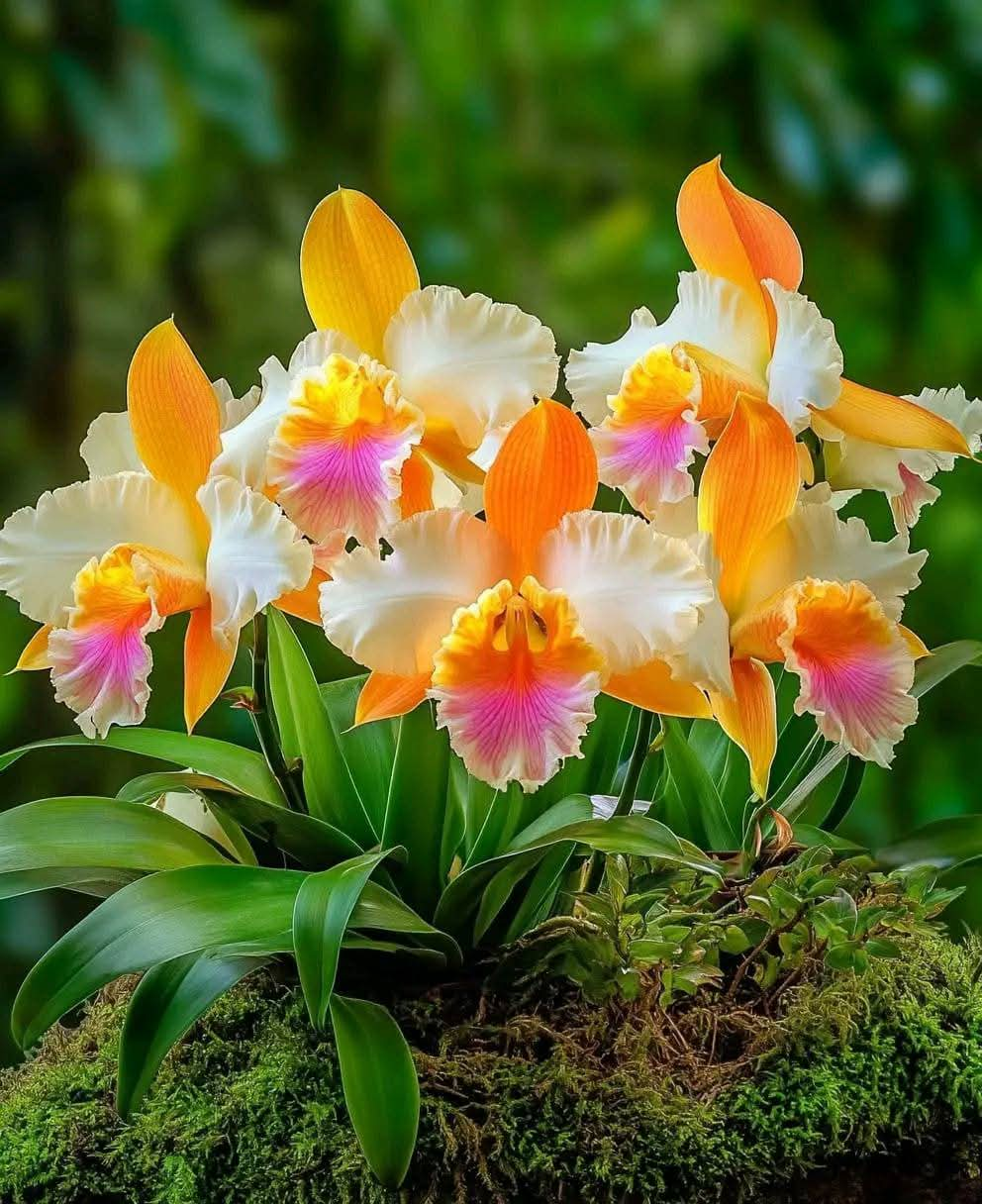
The Cattleya Orchid, known as the “Queen of Orchids,” is celebrated for its large, show-stopping blooms and sweet fragrance. With petals that unfurl in vibrant hues — from rich purples and pinks to sunny yellows and pure whites — these orchids bring an undeniable touch of tropical elegance to any space. Whether you’re an experienced orchid enthusiast or a curious beginner, growing and caring for a Cattleya can be an incredibly rewarding experience.
Let’s dive into everything you need to know to help your Cattleya Orchid thrive!
Why Grow a Cattleya Orchid?
Striking Blooms: Their large, intricate flowers make a bold statement.
Fragrance: Many Cattleyas have a lovely, sweet scent that can fill a room.
Long-Lasting Flowers: With proper care, blooms can last for weeks.
Symbol of Elegance: They add a luxurious touch to any indoor or outdoor garden.
What You’ll Need for Your Cattleya Orchid
Light Requirements
Ideal: Bright, indirect light for at least 6 hours per day. A sunny windowsill (east or south-facing) is perfect.
Avoid: Direct midday sun, which can scorch the leaves. If needed, use sheer curtains to diffuse harsh sunlight.
Tip: If the leaves turn dark green, the orchid might not be getting enough light. Healthy leaves should be a light, grassy green.
Watering
Ideal: Water thoroughly when the top inch of the potting mix feels dry. Let the water drain completely to avoid root rot.
Avoid: Letting the orchid sit in standing water or keeping the potting mix soggy.
Tip: Water more frequently during the growing season (spring and summer) and reduce watering in fall and winter when growth slows down.
Soil & Potting Mix
Ideal: A well-draining orchid mix, typically made of:
Bark chips (for airflow)
Perlite or pumice (for drainage)
Sphagnum moss (for moisture retention)
Avoid: Regular potting soil, as it holds too much moisture and can suffocate the roots.
Tip: Repot your Cattleya every 2–3 years, or when the potting mix starts to break down.
Temperature & Humidity
Daytime: 65–85°F (18–29°C)
Nighttime: 55–60°F (13–16°C)
Humidity: 50–70%
Tip: Use a humidity tray (a shallow tray filled with pebbles and water) or a room humidifier to maintain optimal humidity levels, especially in dry indoor environments.
Fertilizing
Ideal: Use a balanced orchid fertilizer (like 20-20-20) diluted to half strength.
Frequency: Once a month during the growing season (spring and summer).
Tip: Reduce or stop fertilizing during the orchid’s dormant period in fall and winter.
How to Encourage Blooming
Cattleyas typically bloom once or twice a year, but getting them to rebloom can take a little patience and care.
Light is key: Inadequate light is the most common reason orchids don’t bloom. Ensure they get enough bright, indirect sunlight.
Temperature drop: A slight temperature drop at night (10–15°F lower than daytime temps) can trigger flowering.
Rest period: After blooming, allow the orchid a brief rest with reduced watering and no fertilizing to recharge for the next bloom cycle.
Tips & Tricks for Orchid Success
Airflow matters: Good air circulation helps prevent fungal and bacterial issues.
Watch for pests: Keep an eye out for aphids, spider mites, and mealybugs. Wipe leaves with a damp cloth or use insecticidal soap if needed.
Cleaning leaves: Dust can block light, so gently wipe the leaves with a damp cloth every few weeks.
Timing & Growth Cycle
Bloom time: Typically in spring or fall, depending on the variety.
Bloom duration: Blooms can last 2–6 weeks.
Growth period: Cattleyas actively grow from spring to early fall.
Dormant period: They rest during late fall and winter.
Why You’ll Love Growing Cattleya Orchids
Cattleya Orchids aren’t just beautiful — they’re living works of art that reward patience and care with dazzling, fragrant blooms. Watching those vibrant petals unfurl after months of nurturing is a truly magical experience.
Whether displayed on a windowsill, used as a dining table centerpiece, or added to your outdoor orchid collection, a Cattleya brings timeless elegance and a burst of tropical charm wherever it grows.
More Articles You Might Like
-

Southern Fried Green Tomatoes
Southern Fried Green Tomatoe Crispy, golden, tangy, and wonderfully comforting, fried green tomatoes are a classic Southern-inspired side dish or appetizer. Thick slices of firm green tomatoes are seasoned, coated in flour, egg, and cornmeal, then pan-fried until beautifully crisp on the outside while remaining pleasantly tender and tangy inside. Introduction Fried green tomatoes are…
-

Ribeye with Tuscan Rigatoni, Garlic
Ribeye with Tuscan Rigatoni, Garli Butter Dinner Rolls & Green Beans Introduction This ribeye dinner is the ultimate combination of juicy steak, creamy Tuscan-inspired rigatoni, tender green beans, and warm garlic-butter dinner rolls. The richness of the steak and pasta is balanced beautifully by crisp-tender green beans, making this a satisfying meal for…
-

Cultural Significance
Cultural Significanc Across many cultures, herbal drinks are associated with hospitality, seasonal comfort, and traditional approaches to everyday well-being. Ginger and turmeric are especially prominent in South Asian and Asian culinary traditions. Warm spiced beverages are also enjoyed across North Africa and the Middle East, where ingredients such as cinnamon, lemon, and fresh…