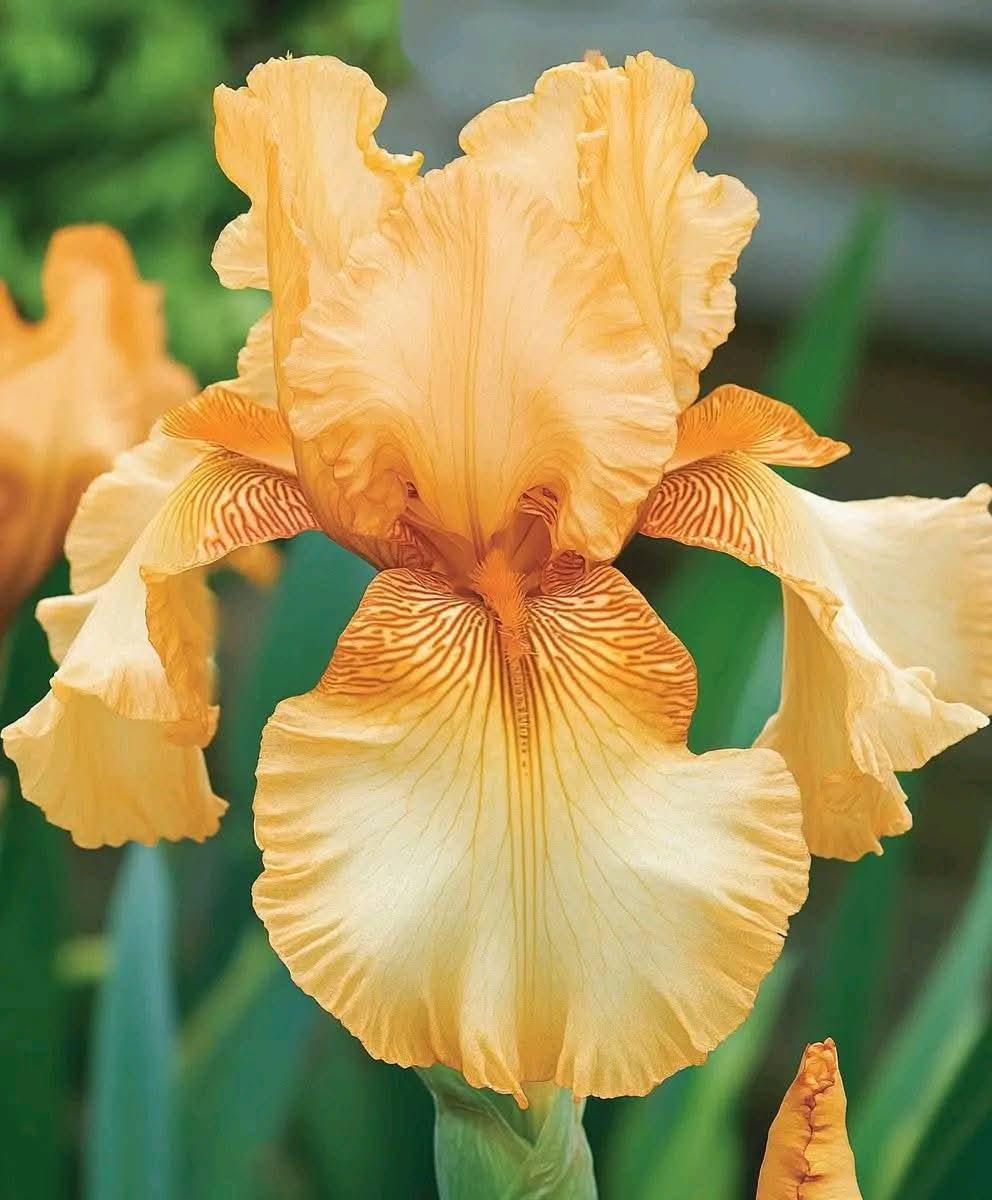
The Golden Sunrise Iris (Iris germanica) is a radiant beauty with vibrant, golden-yellow petals that add warmth and cheer to any garden. With its bold color and graceful form, this iris is a showstopper in borders, beds, or as part of a cut-flower arrangement. If you want to bring a touch of sunshine to your outdoor space, this guide will help you grow and care for your Golden Sunrise Iris like a pro!
Why You’ll Love Golden Sunrise Iris
Eye-Catching Blooms: Striking golden-yellow petals that light up the landscape.
Easy to Grow: Hardy and low-maintenance once established.
Pollinator Magnet: Attracts bees, butterflies, and hummingbirds.
Long-Lived Beauty: Perennial blooms that return year after year.
Let’s dive into everything you need to know to grow these glowing beauties!
What You’ll Need for a Thriving Golden Sunrise Iris
Light Requirements
Ideal: Full sun (at least 6–8 hours daily).
Why: More sun means more blooms! Partial shade may reduce flower production.
Tip: Plant in an open spot without competing tree or shrub roots.
Watering Needs
When to Water: Water regularly, especially during dry spells.
Best Practice: Let the soil dry slightly between waterings to prevent root rot.
Tip: Deep, infrequent watering encourages strong root growth.
Soil & Drainage
Ideal Soil: Well-draining, fertile soil with a slightly acidic to neutral pH (6.5–7.0).
Avoid: Waterlogged or compacted soil, which can cause rhizome rot.
Tip: If your soil is heavy clay, mix in sand or compost to improve drainage.
Temperature & Climate
Thrives In: Temperate climates.
Ideal Temp Range: 55–75°F (13–24°C).
Winter Hardiness: Hardy in USDA zones 3–9.
Fertilizing Routine
When to Fertilize: Early spring, just as new growth appears.
What to Use: A balanced, low-nitrogen fertilizer (like 5-10-10).
Tip: Avoid high-nitrogen fertilizers, which promote leaf growth at the expense of flowers.
How to Grow & Care for Golden Sunrise Iris
Step 1: Planting Your Iris
Timing: Plant rhizomes in late summer to early fall for spring blooms.
Depth: Plant the rhizomes just below the soil surface, with the top slightly exposed.
Spacing: 12–18 inches apart to allow air circulation and prevent disease.
Tip: Face the leaf fan in the direction you want the plant to grow!
Step 2: Watering & Mulching
First Year: Keep the soil consistently moist while roots establish.
Ongoing Care: Water more during dry periods but avoid soggy conditions.
Mulch: Apply a light layer of mulch in winter to protect rhizomes from extreme cold.
Step 3: Encouraging Blooms
Sunlight is Key: Ensure your iris gets plenty of direct sun.
Divide Overcrowded Clumps: Every 3–4 years, divide rhizomes after blooming to maintain vigor.
Step 4: Post-Bloom Care
Deadheading: Remove spent flowers to encourage more blooms.
Cutting Back Foliage: In fall, trim leaves to 6 inches to prevent pests and diseases.
Common Golden Iris Problems (and Solutions)
Yellowing Leaves: Often a sign of overwatering or poor drainage. Fix by improving soil drainage and watering less frequently.
Soft, Mushy Rhizomes: A symptom of rhizome rot from wet soil. Dig up, trim away the rotted section, and let the rhizome dry before replanting.
Few or No Blooms: Could be due to lack of sun, overcrowding, or too much nitrogen. Move to a sunnier spot or divide the clump to refresh growth.
Garden Design & Pairing Ideas
Sunny Borders: Pair with purple salvia, white daisies, or lavender for contrast.
Cottage Gardens: Mix with peonies, daylilies, and foxgloves for a lush, romantic feel.
Cut Flower Beds: Golden irises make stunning, long-lasting cut flowers!
Bloom Time & Growth Cycle
Bloom Season: Late spring to early summer.
Flower Duration: Blooms last 1–2 weeks, with multiple flowers per stalk.
Dormancy: After blooming, the plant focuses on storing energy in the rhizomes for next year.
Why Golden Sunrise Iris Belongs in Your Garden
The Golden Sunrise Iris is more than just a flower — it’s a beacon of brightness in your landscape. Its dazzling blooms, ease of care, and perennial nature make it a rewarding addition for gardeners of all skill levels. Whether you’re creating a sunny border or looking for a standout flower to steal the show, this iris delivers timeless beauty season after season.
More Articles You Might Like
-

Texas Toast Sloppy Joes: The Crunchy, Cheesy Upgrade You Didn’t Know You Needed
There’s something timeless about sloppy joes. For generations, this saucy, savory, and slightly sweet ground beef sandwich has been a go-to comfort food in American kitchens. It’s quick, filling, and family-friendly—perfect for busy weeknights. But what if we told you there’s a way to take this classic dish up a notch? Enter the Texas Toast…
-

Classic Pig Pickin’ Cake
When it comes to Southern desserts, few sweets shine as brightly as the Classic Pig Pickin’ Cake. This nostalgic cake, sometimes called a “Mandarin Orange Cake,” has roots deep in Southern tradition. It gets its playful name from its frequent appearance at pig pickin’s—Southern-style barbecue gatherings where communities come together to enjoy slow-cooked pork, sides,…
-

Lemon Garlic Butter Chicken with Creamy Parmesan Pasta
There’s something irresistible about the combination of tender, golden-browned chicken paired with a creamy pasta coated in Parmesan cheese. Add the brightness of lemon, the depth of garlic, and the richness of butter, and you have a recipe that feels indulgent yet approachable enough for a weeknight dinner. Lemon Garlic Butter Chicken with Creamy Parmesan…